
Why Was the Red Fort Chosen for India's Independence Day Celebration?

The Red Fort is more than a magnificent Mughal monument in the heart of Delhi. Every year, it becomes the centre of India's Independence Day celebrations , when the Prime Minister unfurls the national flag and addresses the nation.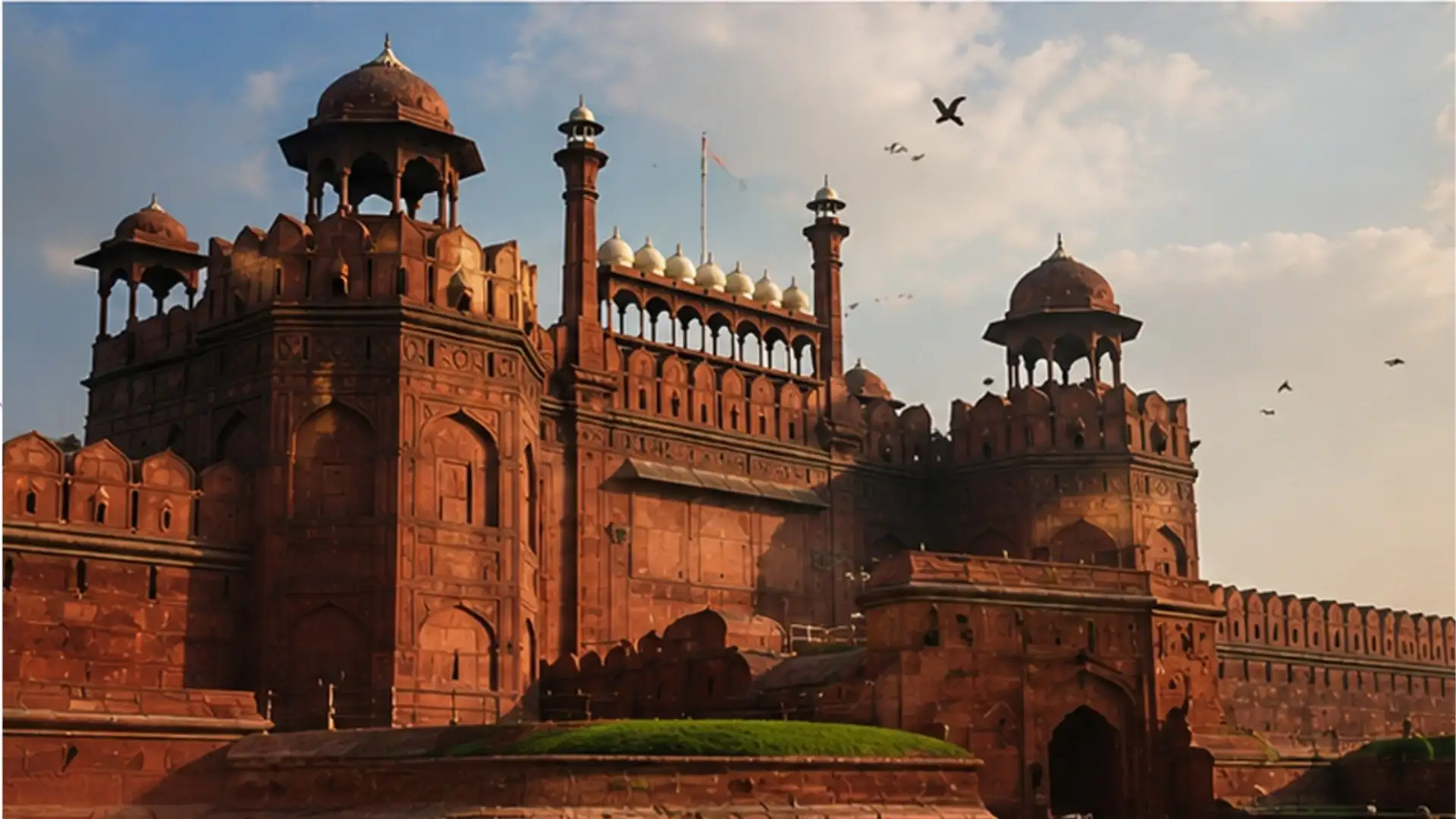
But the choice of this particular fort was not accidental.
The Red Fort represents several chapters of Indian history at once. It was a centre of Mughal political authority, witnessed the collapse of the old order after 1857, was occupied by the British and later became connected with the Indian National Army trials. After independence, the same monument was transformed into a national symbol of freedom.
Its story explains why the Red Fort became such a powerful Independence Day venue.
For generations, the fort represented the political centre of one of India's most powerful dynasties. Its walls witnessed changes in rulers, wars and political fortunes.
That history made the monument uniquely suited to represent a transition in power.
When independent India eventually used the fort for its national celebrations, the symbolism was unmistakable: a place once associated with imperial authority was now being used by a democratic nation.
Bahadur Shah Zafar, the last Mughal emperor, was associated with the rebellion, which challenged British authority across large parts of northern India.
After the British defeated the uprising, the Mughal political order collapsed. The British took control of the Red Fort and converted parts of the complex for military use.
The Ministry of Culture's historical material notes that the British built army barracks inside the Red Fort after overthrowing Bahadur Shah Zafar.
For Indians, therefore, the fort increasingly represented not only the grandeur of an earlier empire but also the experience of colonial conquest.
During the 1940s, the Red Fort became connected with the Indian National Army trials. These trials generated considerable public attention and became an important political moment during the final years of British rule.
Government material documenting freedom fighters notes the impact of the INA trials in Delhi on young nationalists.
The fort consequently carried memories of both colonial authority and resistance to colonial rule.
The Red Fort offered exactly that.
Its history could be interpreted as a journey through India's political past: Mughal sovereignty, colonial conquest, resistance, imprisonment, nationalist mobilisation and finally independence.
Nehru himself emphasised this symbolism in his August 16, 1947 speech at the fort. He described it as an “ancient fort” and spoke about the flag representing the whole country rather than an individual leader or political organisation.
In his Red Fort speech, Nehru recalled that Bose had raised India's flag abroad and had dreamed of seeing it raised at the Red Fort. Nehru poignantly noted that Bose did not live to witness that moment.
This gave the location an additional layer of meaning.
The fort was not merely a reminder of India's distant past. It had become associated with the immediate struggle that had helped accelerate the end of British rule.
The image of the Tricolour rising above the fort created a powerful national symbol. The red sandstone walls provided a dramatic backdrop, but the deeper message was about ownership and sovereignty.
A monument that had witnessed the rise and fall of political powers was now being used by India's elected leadership to speak to its citizens.
Today, the Prime Minister's Independence Day address from the Red Fort is one of the country's most recognisable political ceremonies. The Prime Minister's Office continues to publish the annual address as a speech delivered from the ramparts of the Red Fort.
The ceremony has changed in scale and presentation over the decades, but the basic symbolism remains.
Its walls represent power that once belonged to emperors. Its later history reflects colonial control. Its association with the INA connects it to the final struggle for independence. And its role after 1947 represents the transfer of political authority to the people of a free India.
That is why the Red Fort remains one of the most powerful settings for India's Independence Day.
Every year, when the national flag rises above its walls, the ceremony effectively turns history into a living reminder of the journey from imperial rule to independent democracy.
But the choice of this particular fort was not accidental.
The Red Fort represents several chapters of Indian history at once. It was a centre of Mughal political authority, witnessed the collapse of the old order after 1857, was occupied by the British and later became connected with the Indian National Army trials. After independence, the same monument was transformed into a national symbol of freedom.
Its story explains why the Red Fort became such a powerful Independence Day venue.
The Red Fort Was Once a Symbol of Imperial Power
The Red Fort was built during the Mughal period and became closely associated with imperial authority in Delhi.For generations, the fort represented the political centre of one of India's most powerful dynasties. Its walls witnessed changes in rulers, wars and political fortunes.
That history made the monument uniquely suited to represent a transition in power.
When independent India eventually used the fort for its national celebrations, the symbolism was unmistakable: a place once associated with imperial authority was now being used by a democratic nation.
What Happened to the Red Fort After 1857?
The connection became even stronger after the uprising of 1857.Bahadur Shah Zafar, the last Mughal emperor, was associated with the rebellion, which challenged British authority across large parts of northern India.
After the British defeated the uprising, the Mughal political order collapsed. The British took control of the Red Fort and converted parts of the complex for military use.
The Ministry of Culture's historical material notes that the British built army barracks inside the Red Fort after overthrowing Bahadur Shah Zafar.
For Indians, therefore, the fort increasingly represented not only the grandeur of an earlier empire but also the experience of colonial conquest.
The Red Fort Became Connected With the Freedom Struggle
The monument's association with India's freedom movement did not end with 1857.During the 1940s, the Red Fort became connected with the Indian National Army trials. These trials generated considerable public attention and became an important political moment during the final years of British rule.
Government material documenting freedom fighters notes the impact of the INA trials in Delhi on young nationalists.
The fort consequently carried memories of both colonial authority and resistance to colonial rule.
Why Was It Perfect for Independent India?
When India became independent, its leaders needed more than a place to hold a ceremony. They needed symbols capable of communicating what independence meant.The Red Fort offered exactly that.
Its history could be interpreted as a journey through India's political past: Mughal sovereignty, colonial conquest, resistance, imprisonment, nationalist mobilisation and finally independence.
Nehru himself emphasised this symbolism in his August 16, 1947 speech at the fort. He described it as an “ancient fort” and spoke about the flag representing the whole country rather than an individual leader or political organisation.
The Connection With Subhas Chandra Bose
There was also an emotional connection to Netaji Subhas Chandra Bose and the INA.In his Red Fort speech, Nehru recalled that Bose had raised India's flag abroad and had dreamed of seeing it raised at the Red Fort. Nehru poignantly noted that Bose did not live to witness that moment.
This gave the location an additional layer of meaning.
The fort was not merely a reminder of India's distant past. It had become associated with the immediate struggle that had helped accelerate the end of British rule.
Why the Lahori Gate Became Important
The Lahori Gate is the principal entrance of the Red Fort and became the visual centre of the national ceremony.The image of the Tricolour rising above the fort created a powerful national symbol. The red sandstone walls provided a dramatic backdrop, but the deeper message was about ownership and sovereignty.
A monument that had witnessed the rise and fall of political powers was now being used by India's elected leadership to speak to its citizens.
The Tradition Continued After Nehru
What began in the early years of independence eventually became an annual national ritual.Today, the Prime Minister's Independence Day address from the Red Fort is one of the country's most recognisable political ceremonies. The Prime Minister's Office continues to publish the annual address as a speech delivered from the ramparts of the Red Fort.
The ceremony has changed in scale and presentation over the decades, but the basic symbolism remains.
Why the Red Fort Still Matters
The Red Fort was chosen because it could tell India's history without words.Its walls represent power that once belonged to emperors. Its later history reflects colonial control. Its association with the INA connects it to the final struggle for independence. And its role after 1947 represents the transfer of political authority to the people of a free India.
That is why the Red Fort remains one of the most powerful settings for India's Independence Day.
Every year, when the national flag rises above its walls, the ceremony effectively turns history into a living reminder of the journey from imperial rule to independent democracy.






Loving Newspoint? Download the app now
