
Are Those Black Dots on Your Car Windscreen Just for Design? Here’s What They Really Do

The car windshield black dots you often notice along the edges of your windscreen are not just a design element. The car windshield black dots play an important role in safety, durability, and temperature control inside your vehicle. Known as frits, these tiny black patterns are baked into the glass during manufacturing and serve several practical functions that most drivers are unaware of.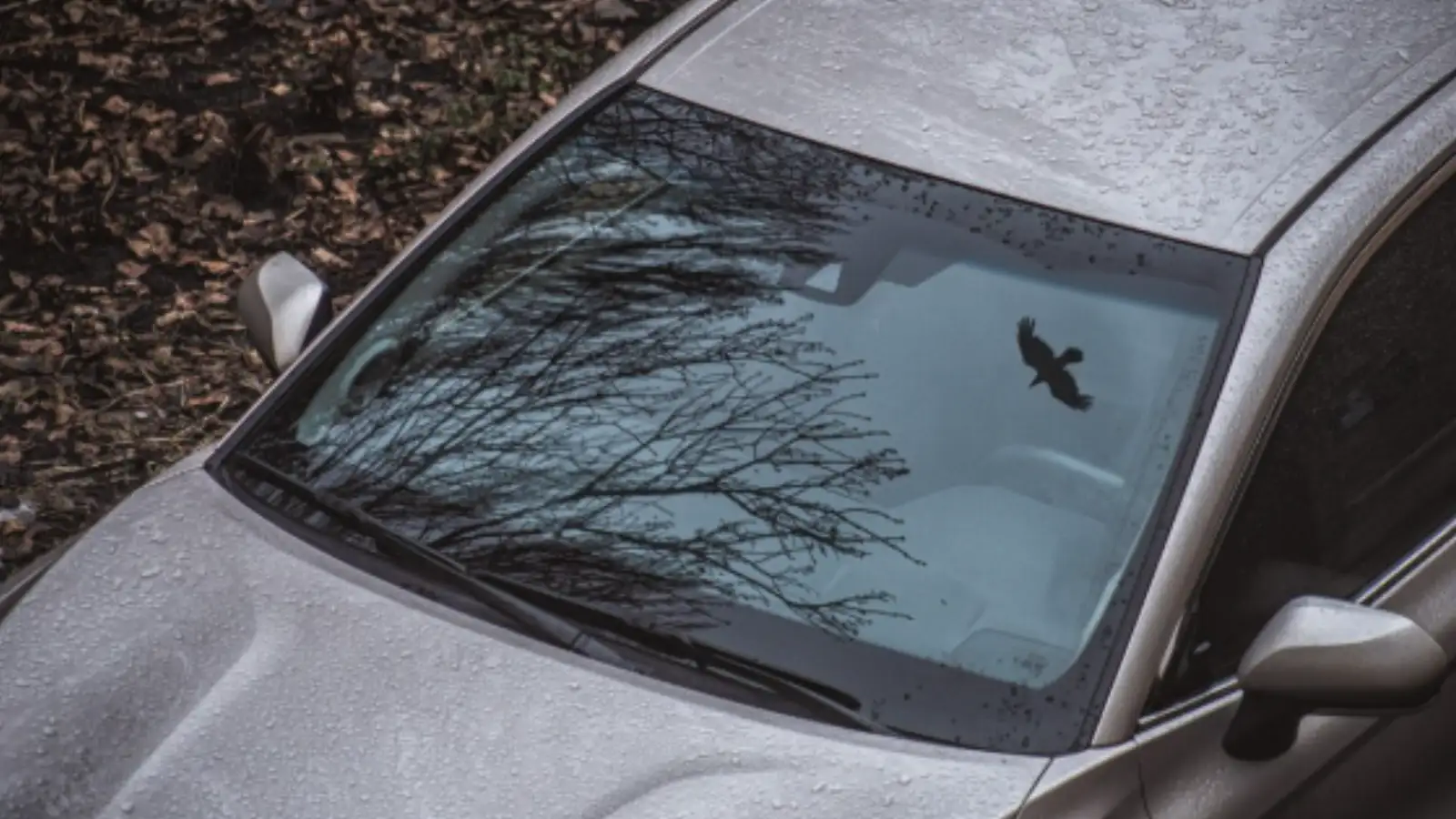
While they may look simple, these dots are carefully engineered to protect your windscreen, improve adhesion, and prevent heat-related damage that could even affect driving visibility.
What Are the Black Dots on a Car Windshield?
The black dots on your windscreen are called frits. They are created using black enamel paint that is fused into the glass during production.
You will usually notice:
This gradient design is not random - it is purpose-built for performance and safety.
Also Read: Ever Wondered Why Car Indicators Make a ‘Tick-Tick’ Sound? Here’s the Real Reason
Heat Control and Prevention of Visual Distortion
One of the most important functions of windshield black dots is temperature regulation.
When a car is parked under direct sunlight:
Lensing makes straight objects appear slightly bent or warped, which can be dangerous while driving. The black frit pattern helps distribute heat more evenly across the glass surface, reducing this risk and maintaining clear visibility.
Protecting the Windshield Adhesive
Another key role of the black border and dots is to protect the adhesive seal that holds the windshield in place.
Without this protection, the adhesive may degrade, increasing the risk of the windshield loosening or losing stability in extreme conditions.
Better Grip and Stronger Glass Bonding
The frit pattern also helps improve how well the windshield sticks to the car frame.
In addition to functionality, these dots also provide a clean and finished look around the edges of the windshield.
What Happens If the Black Dots Fade?
If you notice the black dots or border fading, it should not be ignored.
Possible risks include:
In such cases, it is recommended to visit a service centre and get your windshield inspected. Early attention can help prevent costly repairs or safety issues later.
Also Read: Why Do Cars Have Different Fuel Door Sides? Here’s the Clever Reason Behind It
The car windshield black dots may seem like a small design detail, but they play a crucial role in vehicle safety and performance. From controlling heat and preventing distortion to protecting adhesives and improving bonding strength, these frits are an essential part of modern windscreen engineering. Understanding their purpose helps drivers appreciate how even the smallest details contribute to overall road safety.
While they may look simple, these dots are carefully engineered to protect your windscreen, improve adhesion, and prevent heat-related damage that could even affect driving visibility.
What Are the Black Dots on a Car Windshield?
The black dots on your windscreen are called frits. They are created using black enamel paint that is fused into the glass during production.
You will usually notice:
- A thick black band around the edges of the windshield
- Gradually fading dots moving inward from the border
- A smooth transition from solid black to transparent glass
This gradient design is not random - it is purpose-built for performance and safety.
Also Read: Ever Wondered Why Car Indicators Make a ‘Tick-Tick’ Sound? Here’s the Real Reason
Heat Control and Prevention of Visual Distortion
One of the most important functions of windshield black dots is temperature regulation.
When a car is parked under direct sunlight:
- The glass heats unevenly
- Different temperature zones form on the windshield
- This can cause a distortion effect known as lensing
Lensing makes straight objects appear slightly bent or warped, which can be dangerous while driving. The black frit pattern helps distribute heat more evenly across the glass surface, reducing this risk and maintaining clear visibility.
You may also like
- May 2026 Auto Blast: From the Iconic Tata Sierra EV to the New Honda City—5 Big Launches to Watch!
- JSW Motors Prepares Big Entry into Auto Market, Challenges Tata and Mahindra with Early Strategy
- Tata Nexon Tops SUV Sales in FY2026: 5-Star Safety and Strong Demand Drive Its Comeback
- Toyota Innova Hycross Hits 2 Lakh Sales in India: Why This Hybrid MPV Is in High Demand
- New-Gen Renault Duster Hits the Roads as Deliveries Begin Across India
Protecting the Windshield Adhesive
Another key role of the black border and dots is to protect the adhesive seal that holds the windshield in place.
- Windshields are fixed using strong industrial adhesives
- Direct sunlight and UV rays can weaken this adhesive over time
- The black frit layer acts as a shield against sun damage
Without this protection, the adhesive may degrade, increasing the risk of the windshield loosening or losing stability in extreme conditions.
Better Grip and Stronger Glass Bonding
The frit pattern also helps improve how well the windshield sticks to the car frame.
- The textured surface created by the dots enhances bonding
- It improves grip between the glass and adhesive
- This ensures long-term structural strength
In addition to functionality, these dots also provide a clean and finished look around the edges of the windshield.
What Happens If the Black Dots Fade?
If you notice the black dots or border fading, it should not be ignored.
Possible risks include:
- Reduced adhesive protection
- Increased heat damage
- Weakened structural bonding over time
In such cases, it is recommended to visit a service centre and get your windshield inspected. Early attention can help prevent costly repairs or safety issues later.
Also Read: Why Do Cars Have Different Fuel Door Sides? Here’s the Clever Reason Behind It
The car windshield black dots may seem like a small design detail, but they play a crucial role in vehicle safety and performance. From controlling heat and preventing distortion to protecting adhesives and improving bonding strength, these frits are an essential part of modern windscreen engineering. Understanding their purpose helps drivers appreciate how even the smallest details contribute to overall road safety.






More from our partners


Loving Newspoint? Download the app now
