
Car Care Tips: Why Overfilling Your Fuel Tank During Hot Weather Can Be Risky

Many car owners often wonder: Is it dangerous to fill your car’s fuel tank to the brim in summer? The simple answer is yes. While filling the tank completely may seem harmless, doing so during extremely hot weather can create safety and maintenance issues for your vehicle. With temperatures in many parts of India crossing 40°C during summer, understanding how heat affects fuel becomes important for every driver.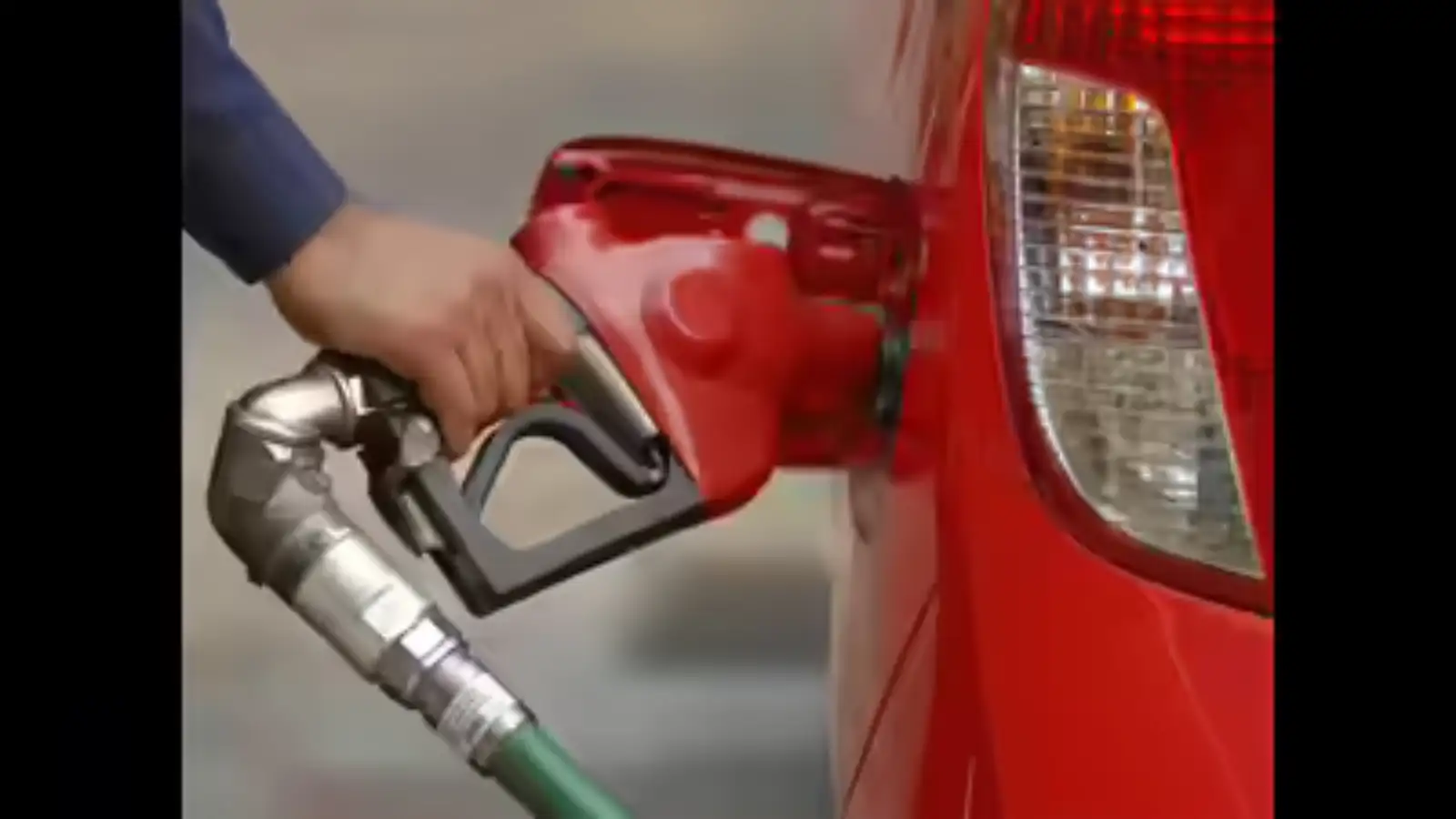
Why Overfilling a Fuel Tank in Summer Is Not Recommended
During hot weather, both petrol and diesel naturally expand because of rising temperatures. When fuel heats up inside the tank, it occupies more space and also produces vapours at a faster rate.
If the fuel tank is filled beyond its recommended limit, there may not be enough room left for this expansion. As a result, pressure can build up inside the tank, increasing the chances of damage to certain fuel system components.
How Heat Affects Fuel Inside Your Car
Extreme summer temperatures can significantly impact fuel behaviour. When your vehicle is parked under direct sunlight, the temperature inside the fuel tank rises quickly.
This can lead to:
That is why automobile experts advise drivers not to continue filling fuel after the nozzle automatically stops.
Understanding the EVAP System in Modern Cars
Most modern vehicles come equipped with an EVAP (Evaporative Emission Control) system. This system is designed to capture fuel vapours and prevent them from escaping into the environment.
However, when a fuel tank is overfilled, liquid fuel may enter the EVAP system instead of just vapours. This can damage important components, leading to expensive repairs and warning lights on the dashboard.
Fuel Spills Can Become a Fire Hazard
Another major risk of overfilling your car’s fuel tank in summer is fuel spillage. If the tank is packed to the brim and the vehicle remains parked in direct sunlight, expanding fuel may leak out.
Petrol is highly flammable, and even a small spill can become dangerous in extremely hot conditions. Fuel spills can also damage your car’s paint and release harmful fumes into the air.
Smart Fuel Filling Tips for Summer
To keep your car safe during hot weather, follow these simple fuel-filling precautions:
Stop After the Automatic Cut-Off
Once the fuel nozzle clicks automatically, avoid adding extra fuel unnecessarily.
Avoid Topping Up
Trying to squeeze in more fuel after the auto cut-off can increase pressure inside the tank.
Filling the Tank Normally Is Completely Safe
Drivers do not need to worry about filling their tanks during summer. Filling fuel normally is perfectly safe. The real issue begins only when the tank is overfilled beyond the automatic cut-off point or the manufacturer’s recommended limit.
By following basic car care habits, you can avoid unnecessary risks and keep your vehicle running safely even during extreme summer heat.
Why Overfilling a Fuel Tank in Summer Is Not Recommended
During hot weather, both petrol and diesel naturally expand because of rising temperatures. When fuel heats up inside the tank, it occupies more space and also produces vapours at a faster rate.
If the fuel tank is filled beyond its recommended limit, there may not be enough room left for this expansion. As a result, pressure can build up inside the tank, increasing the chances of damage to certain fuel system components.
How Heat Affects Fuel Inside Your Car
Extreme summer temperatures can significantly impact fuel behaviour. When your vehicle is parked under direct sunlight, the temperature inside the fuel tank rises quickly.
This can lead to:
- Faster fuel evaporation
- Increased vapour formation
- Pressure buildup inside the tank
- Higher risk of fuel leakage or spills
That is why automobile experts advise drivers not to continue filling fuel after the nozzle automatically stops.
Understanding the EVAP System in Modern Cars
Most modern vehicles come equipped with an EVAP (Evaporative Emission Control) system. This system is designed to capture fuel vapours and prevent them from escaping into the environment.
However, when a fuel tank is overfilled, liquid fuel may enter the EVAP system instead of just vapours. This can damage important components, leading to expensive repairs and warning lights on the dashboard.
Fuel Spills Can Become a Fire Hazard
Another major risk of overfilling your car’s fuel tank in summer is fuel spillage. If the tank is packed to the brim and the vehicle remains parked in direct sunlight, expanding fuel may leak out.
Petrol is highly flammable, and even a small spill can become dangerous in extremely hot conditions. Fuel spills can also damage your car’s paint and release harmful fumes into the air.
Smart Fuel Filling Tips for Summer
To keep your car safe during hot weather, follow these simple fuel-filling precautions:
Stop After the Automatic Cut-Off
Once the fuel nozzle clicks automatically, avoid adding extra fuel unnecessarily. Avoid Topping Up
Trying to squeeze in more fuel after the auto cut-off can increase pressure inside the tank. Park in Shade Whenever Possible
Keeping your vehicle away from direct sunlight helps reduce fuel heating and evaporation.Ensure the Fuel Cap Is Properly Closed
A tightly sealed fuel cap helps maintain correct pressure and prevents vapour leakage.Filling the Tank Normally Is Completely Safe
Drivers do not need to worry about filling their tanks during summer. Filling fuel normally is perfectly safe. The real issue begins only when the tank is overfilled beyond the automatic cut-off point or the manufacturer’s recommended limit.
By following basic car care habits, you can avoid unnecessary risks and keep your vehicle running safely even during extreme summer heat.






More from our partners


Loving Newspoint? Download the app now
