
E20 Petrol Rule 2026: Can Older BS4 And BS6 Vehicles Run Safely?

India is steadily expanding the availability of E20 petrol as part of its broader effort to reduce dependence on imported crude oil and increase the use of cleaner fuels. The blend contains 20 per cent ethanol and 80 per cent petrol, with the government aiming to strengthen energy security while creating additional demand for agricultural produce used in ethanol production.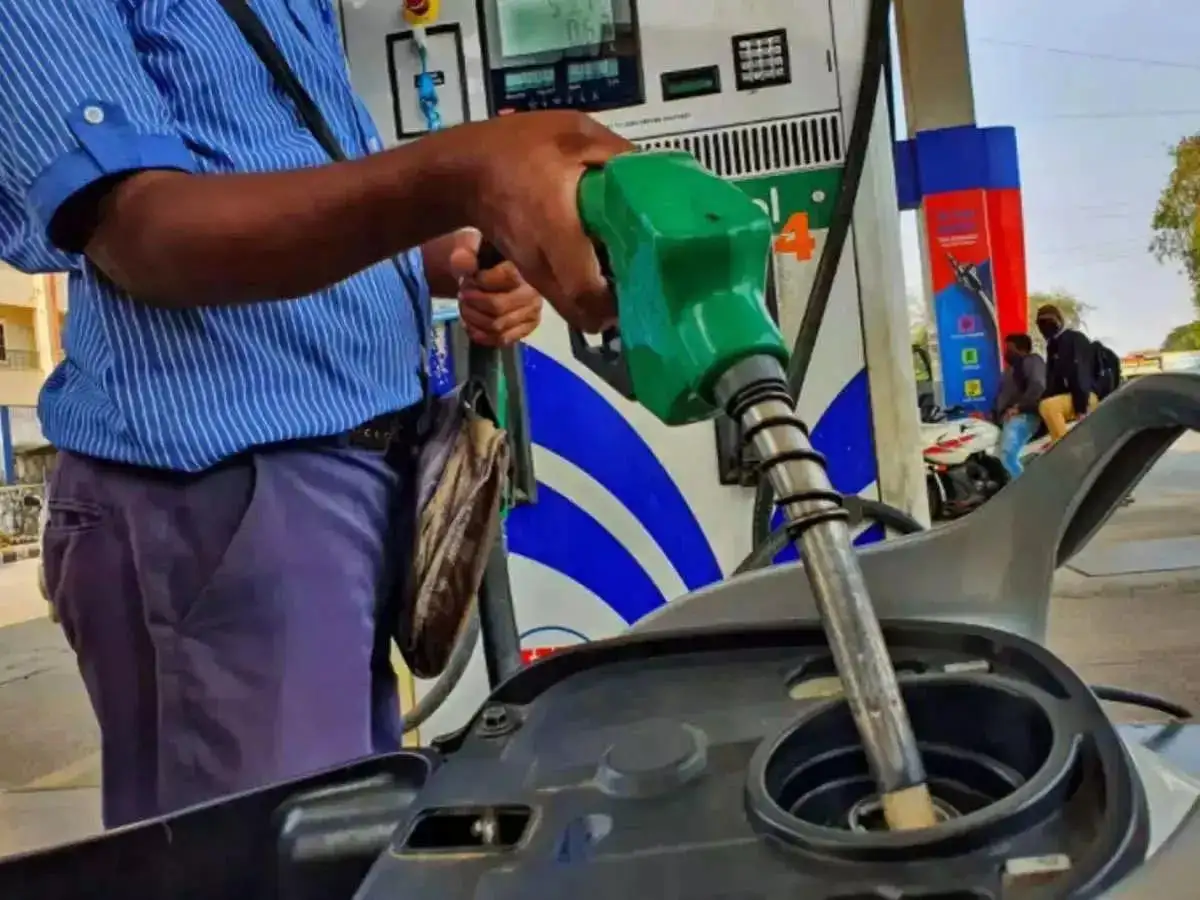
The policy is also expected to support lower emissions and encourage the transition towards greener transport. As E20 petrol becomes more widely available, many vehicle owners are asking whether their existing cars and motorcycles are ready for the new fuel.
Ethanol, produced mainly from crops such as sugarcane and maize, also provides additional income opportunities for farmers. At the same time, increased ethanol blending is expected to contribute to lower carbon emissions compared with conventional petrol.
Many BS4 vehicles and first-generation BS6 vehicles were originally engineered to operate on E10 petrol rather than E20. Their fuel systems, seals and engine components were not necessarily designed to handle higher ethanol concentrations over extended periods.
Extended periods of inactivity could also increase the likelihood of corrosion within the fuel system. In colder conditions, ethanol's tendency to absorb moisture may contribute to starting difficulties or fuel system blockages.
Vehicle owners may also notice slightly lower fuel efficiency compared with conventional petrol, depending on engine design and driving conditions.
Checking rubber pipes, inspecting seals and monitoring the condition of fuel system components can help identify potential issues before they become costly repairs. Running the engine periodically instead of leaving the vehicle unused for long periods may also reduce the risk of corrosion.
Following the manufacturer's recommended service schedule remains the safest approach for maintaining engine reliability.
The easiest way to confirm compatibility is by checking the owner's manual or consulting the vehicle manufacturer or authorised service centre. Official vehicle documentation generally specifies the approved fuel type.
Depending on the model, they can run on blends such as E20, E30, E50, E85 and even E100, which consists entirely of ethanol.
Unlike E20, E100 is intended only for specially engineered flex-fuel vehicles. Conventional petrol-powered cars and motorcycles are not designed to use pure ethanol fuel.
As the fuel transition continues, owners of older BS6 vehicles and BS4 models are advised to confirm compatibility before regularly using E20 petrol. Choosing the correct fuel and following the manufacturer's recommendations can help protect engine performance while supporting India's gradual shift towards cleaner transport fuels.
The policy is also expected to support lower emissions and encourage the transition towards greener transport. As E20 petrol becomes more widely available, many vehicle owners are asking whether their existing cars and motorcycles are ready for the new fuel.
Why E20 petrol is being promoted
The move towards ethanol-blended petrol serves several objectives. Reducing petrol consumption lowers the country's reliance on imported crude oil, helping save foreign exchange while supporting long-term energy planning.Ethanol, produced mainly from crops such as sugarcane and maize, also provides additional income opportunities for farmers. At the same time, increased ethanol blending is expected to contribute to lower carbon emissions compared with conventional petrol.
Older vehicles may require extra caution
Although many vehicles can operate on E20 petrol, continuous use is not recommended for every model. Automotive experts say vehicles that are not specifically certified as E20 compatible vehicles could experience long-term mechanical issues if regularly fuelled with the higher ethanol blend.Many BS4 vehicles and first-generation BS6 vehicles were originally engineered to operate on E10 petrol rather than E20. Their fuel systems, seals and engine components were not necessarily designed to handle higher ethanol concentrations over extended periods.
Possible impact on the fuel system
Prolonged use of E20 petrol in incompatible vehicles may affect several important components. Rubber hoses and seals can deteriorate faster, while fuel injectors and fuel pumps may experience increased wear because they were designed for lower ethanol content.Extended periods of inactivity could also increase the likelihood of corrosion within the fuel system. In colder conditions, ethanol's tendency to absorb moisture may contribute to starting difficulties or fuel system blockages.
Vehicle owners may also notice slightly lower fuel efficiency compared with conventional petrol, depending on engine design and driving conditions.
You may also like
- New Renault Duster Adventure Edition Launched at ₹12.99 Lakh: Special SUV Built for Off-Road Lovers
- Car Flooded During Monsoon? Don't Panic—Follow These Steps to Prevent Expensive Damage
- Nissan Tekton SUV Launched at ₹10.49 Lakh: Premium Features, Powerful Engines, and Creta Rivalry
- Maruti Alto K10 Sales Soar Over 100% in a Year: Budget Hatchback Continues to Win Buyers
- Kia's New Teaser Sparks Excitement: Syros EV and Sorento Hybrid Could Arrive Soon in India
What owners of E10 vehicles should do
Owners of vehicles built for E10 fuel should not ignore routine maintenance if E20 petrol is used occasionally. Regular servicing becomes even more important to ensure that the fuel system remains in good condition.Checking rubber pipes, inspecting seals and monitoring the condition of fuel system components can help identify potential issues before they become costly repairs. Running the engine periodically instead of leaving the vehicle unused for long periods may also reduce the risk of corrosion.
Following the manufacturer's recommended service schedule remains the safest approach for maintaining engine reliability.
How to know whether your vehicle supports E20
Vehicles introduced from 2023 onwards are more likely to have been developed as E20 compatible vehicles, although owners should verify this before filling up.The easiest way to confirm compatibility is by checking the owner's manual or consulting the vehicle manufacturer or authorised service centre. Official vehicle documentation generally specifies the approved fuel type.
Flex-fuel technology points to the future
Alongside the wider adoption of E20 petrol, manufacturers are developing flex fuel vehicles capable of operating on multiple ethanol blends. These vehicles use specially designed engines, fuel systems and electronic controls that automatically adjust according to the fuel mixture.Depending on the model, they can run on blends such as E20, E30, E50, E85 and even E100, which consists entirely of ethanol.
Unlike E20, E100 is intended only for specially engineered flex-fuel vehicles. Conventional petrol-powered cars and motorcycles are not designed to use pure ethanol fuel.
As the fuel transition continues, owners of older BS6 vehicles and BS4 models are advised to confirm compatibility before regularly using E20 petrol. Choosing the correct fuel and following the manufacturer's recommendations can help protect engine performance while supporting India's gradual shift towards cleaner transport fuels.






Loving Newspoint? Download the app now
