
Can Water-Mixed Ethanol Replace LPG? Here’s What Science Says

The discussion around water-mixed ethanol replacing LPG has gained momentum after Union Minister Nitin Gadkari highlighted the potential of ethanol-based cooking fuel. According to him, a mixture containing ethanol and water can generate a flame similar to a cooking stove while being more affordable than traditional LPG. His remarks have sparked curiosity about whether ethanol could truly become the next big fuel for Indian kitchens.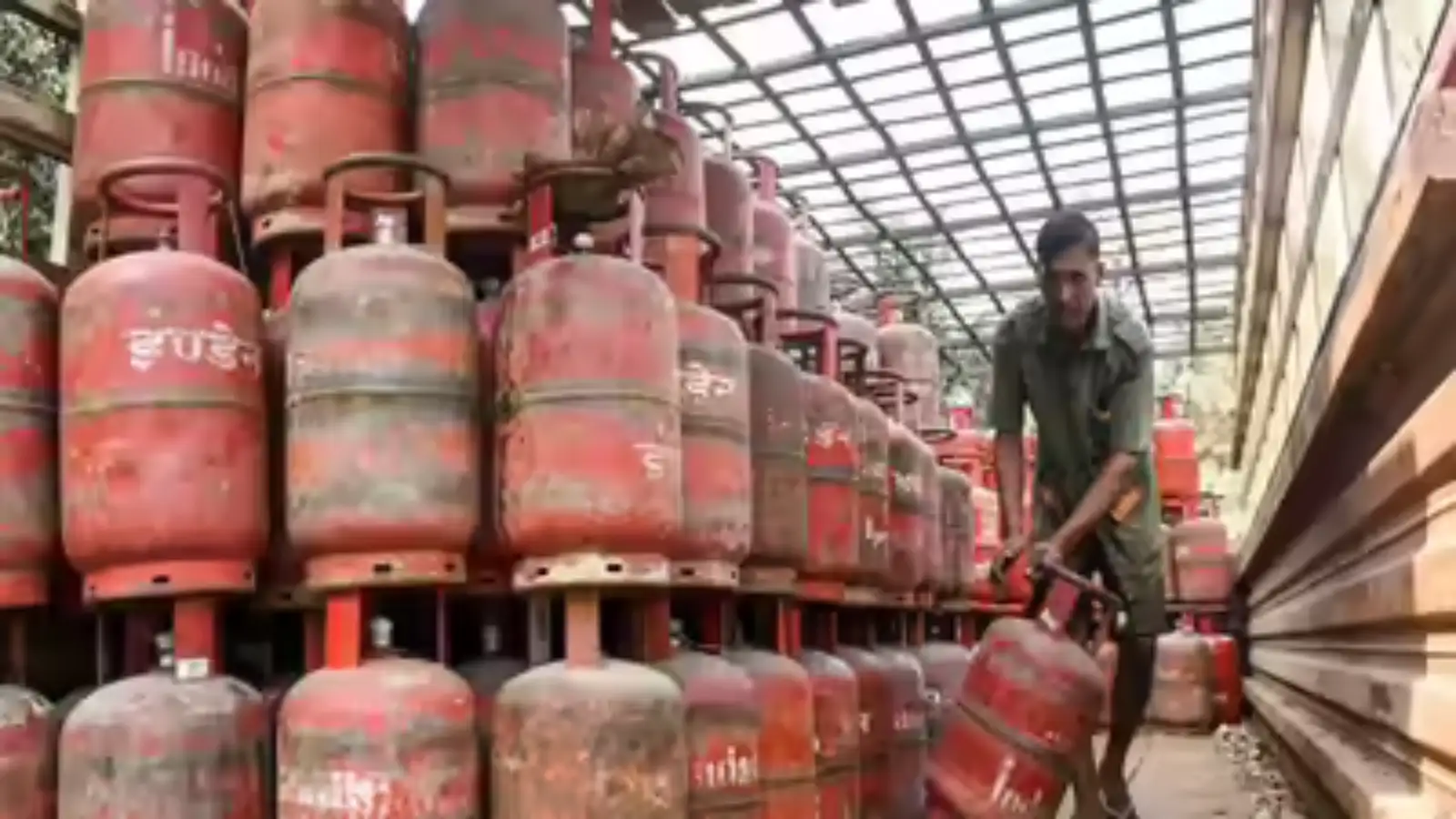
With rising LPG prices and growing interest in cleaner energy solutions, ethanol stoves are now being seen as a possible alternative for future cooking needs. But can science really support this idea? Here’s a closer look.
What Are Ethanol Stoves?
Ethanol stoves are cooking appliances that use biofuel made from crops such as sugarcane, corn, and other plant-based sources. Unlike LPG cylinders that rely on pressurised gas, ethanol stoves use liquid fuel to create heat for cooking.
One of the biggest advantages of ethanol stoves is their cleaner combustion. They produce very little smoke, soot, or unpleasant odour, making them a healthier option for indoor cooking. These stoves can run on liquid or gel-based ethanol fuel and are already being explored in several countries as an eco-friendly cooking solution.
Another major benefit is sustainability. Since ethanol is produced from renewable agricultural sources, it reduces dependence on fossil fuels and imported gas.
Can Ethanol Mixed With Water Really Burn?
Ethanol is a highly flammable alcohol and is already widely used as a biofuel in vehicles. However, the science behind burning ethanol becomes more complex when water is added to the mixture.
For any fuel to burn properly, it must release enough flammable vapours that can combine with oxygen and ignite. Water interferes with this process by reducing vapour formation and absorbing heat during combustion.
Scientific studies suggest that ethanol concentration plays a crucial role in maintaining a stable flame. Mixtures containing very low ethanol percentages often struggle to burn continuously under normal conditions. This is also why alcoholic beverages with low alcohol content, such as beer, do not easily catch fire.
Why Commercial Ethanol Stoves Use High-Concentration Fuel
Most commercial ethanol stoves do not operate on weak ethanol-water mixtures. Instead, they generally use ethanol concentrations ranging from 70 to 90 percent or even higher.
This concentrated fuel creates a strong and stable blue flame similar to LPG. Pure ethanol also has a relatively low flash point, which means it can generate flammable vapours even in cooler temperatures.
As more water is added to ethanol, combustion becomes increasingly difficult. Water lowers vapour pressure and absorbs heat energy, reducing the fuel’s ability to ignite efficiently. Experts say that ethanol-air mixtures only burn effectively within a specific flammable range.
Is Nitin Gadkari’s Claim Scientifically Possible?
The idea shared by Nitin Gadkari is scientifically possible, but only under certain conditions. A stove designed specifically for ethanol combustion could work efficiently if it uses adequately concentrated ethanol and a burner system capable of properly vaporising the fuel.
However, a mixture containing only a very small percentage of ethanol is unlikely to ignite directly or sustain a strong flame without specialised engineering support.
In simple terms, the concept is technically feasible, but its practical success depends on factors such as fuel concentration, stove technology, production costs, and large-scale ethanol availability.
Can Ethanol Become a Real Alternative to LPG?
Ethanol-based cooking fuel has several promising advantages. It is renewable, cleaner than many fossil fuels, and could potentially reduce India’s dependence on imported LPG. If produced on a large scale, ethanol may also become a cost-effective option for households in the future.
However, there are still challenges that need to be addressed. Fuel storage, safety standards, large-scale distribution, and the economics of ethanol production will play a major role in determining whether ethanol can truly replace LPG in Indian kitchens.
For now, ethanol stoves remain an emerging technology with strong potential, but widespread adoption will require further scientific development, policy support, and infrastructure improvements.
With rising LPG prices and growing interest in cleaner energy solutions, ethanol stoves are now being seen as a possible alternative for future cooking needs. But can science really support this idea? Here’s a closer look.
What Are Ethanol Stoves?
Ethanol stoves are cooking appliances that use biofuel made from crops such as sugarcane, corn, and other plant-based sources. Unlike LPG cylinders that rely on pressurised gas, ethanol stoves use liquid fuel to create heat for cooking.
One of the biggest advantages of ethanol stoves is their cleaner combustion. They produce very little smoke, soot, or unpleasant odour, making them a healthier option for indoor cooking. These stoves can run on liquid or gel-based ethanol fuel and are already being explored in several countries as an eco-friendly cooking solution.
Another major benefit is sustainability. Since ethanol is produced from renewable agricultural sources, it reduces dependence on fossil fuels and imported gas.
Can Ethanol Mixed With Water Really Burn?
Ethanol is a highly flammable alcohol and is already widely used as a biofuel in vehicles. However, the science behind burning ethanol becomes more complex when water is added to the mixture.
For any fuel to burn properly, it must release enough flammable vapours that can combine with oxygen and ignite. Water interferes with this process by reducing vapour formation and absorbing heat during combustion.
Scientific studies suggest that ethanol concentration plays a crucial role in maintaining a stable flame. Mixtures containing very low ethanol percentages often struggle to burn continuously under normal conditions. This is also why alcoholic beverages with low alcohol content, such as beer, do not easily catch fire.
Why Commercial Ethanol Stoves Use High-Concentration Fuel
Most commercial ethanol stoves do not operate on weak ethanol-water mixtures. Instead, they generally use ethanol concentrations ranging from 70 to 90 percent or even higher.
This concentrated fuel creates a strong and stable blue flame similar to LPG. Pure ethanol also has a relatively low flash point, which means it can generate flammable vapours even in cooler temperatures.
As more water is added to ethanol, combustion becomes increasingly difficult. Water lowers vapour pressure and absorbs heat energy, reducing the fuel’s ability to ignite efficiently. Experts say that ethanol-air mixtures only burn effectively within a specific flammable range.
Is Nitin Gadkari’s Claim Scientifically Possible?
The idea shared by Nitin Gadkari is scientifically possible, but only under certain conditions. A stove designed specifically for ethanol combustion could work efficiently if it uses adequately concentrated ethanol and a burner system capable of properly vaporising the fuel.
However, a mixture containing only a very small percentage of ethanol is unlikely to ignite directly or sustain a strong flame without specialised engineering support.
In simple terms, the concept is technically feasible, but its practical success depends on factors such as fuel concentration, stove technology, production costs, and large-scale ethanol availability.
Can Ethanol Become a Real Alternative to LPG?
Ethanol-based cooking fuel has several promising advantages. It is renewable, cleaner than many fossil fuels, and could potentially reduce India’s dependence on imported LPG. If produced on a large scale, ethanol may also become a cost-effective option for households in the future.
However, there are still challenges that need to be addressed. Fuel storage, safety standards, large-scale distribution, and the economics of ethanol production will play a major role in determining whether ethanol can truly replace LPG in Indian kitchens.
For now, ethanol stoves remain an emerging technology with strong potential, but widespread adoption will require further scientific development, policy support, and infrastructure improvements.
Next Story