
CIBIL Score: 7 Habits That Can Help You Get Loans Approved Faster

A healthy CIBIL score can make the loan approval process smoother by showing lenders that you have a reliable history of managing credit. While a high score does not guarantee loan approval, maintaining good financial habits can improve your creditworthiness and may increase your chances of getting favourable loan terms.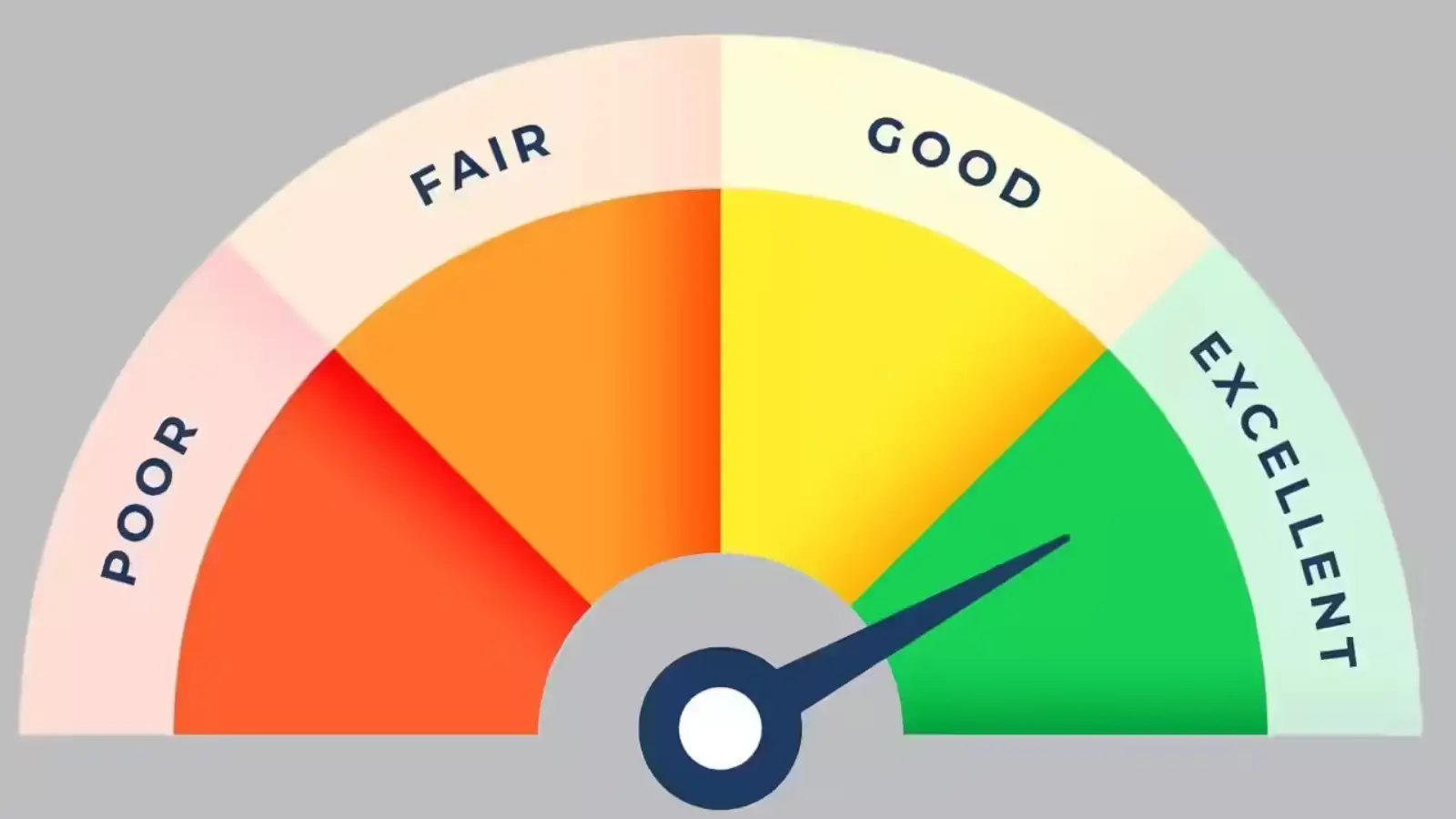
TransUnion CIBIL collects credit-related information from banks, NBFCs and other financial institutions. This information includes details such as loans, credit cards, repayment patterns, outstanding balances and credit enquiries.
Lenders use this information while assessing whether a borrower is likely to repay a loan responsibly. This is why maintaining a good CIBIL score should be part of your long-term financial routine rather than something you focus on only when applying for credit.
Missed or delayed EMI and credit card payments can negatively affect your credit history. Even if you have otherwise managed your finances well, repeated late payments can make you appear less reliable to potential lenders.
Set payment reminders, use automatic payments where appropriate and maintain enough funds in your account before the due date.
For example, if your credit card limit is ₹1 lakh and you regularly use ₹80,000, your utilisation is relatively high. Consistently using a large portion of your available limit can signal that you may be heavily dependent on credit.
Try to keep your spending comfortably below your credit limit. If your income and spending requirements justify it, you can also discuss a higher credit limit with your card issuer—but avoid increasing the limit simply to spend more.
Therefore, avoid closing an old credit card solely because you have newer cards, particularly if the older account has no significant cost and remains useful to you.
At the same time, keeping an old card open only makes sense if you can manage it responsibly.
Instead of submitting applications to several lenders at once, compare your options first and apply selectively for the credit product that best suits your requirements.
For borrowers who may otherwise struggle with a higher EMI, choosing a manageable repayment schedule can help reduce the risk of missed payments. However, a longer tenure can also mean paying more interest over the life of the loan.
Therefore, don't choose a longer tenure solely to improve your credit score . Consider your income, monthly expenses, total interest cost and repayment capacity before making a decision.
If your existing EMIs already consume a significant portion of your income, taking on additional debt could make your finances harder to manage. Before applying for another loan, assess whether you genuinely need the additional borrowing and whether you can comfortably afford the new EMI.
A disciplined approach to borrowing can help you maintain a healthier credit profile over time.
Check details such as:
Having substantial wealth alone does not automatically make someone a creditworthy borrower. Lenders also look at how a person has handled credit in the past and whether they have demonstrated the ability to repay their obligations responsibly.
Instead of waiting until you need a loan to start worrying about your credit score, make these habits part of your regular financial routine. A well-maintained credit profile can put you in a stronger position when you eventually need to borrow money.
What Is a CIBIL Score and Why Does It Matter?
A CIBIL score is a three-digit number that reflects your credit behaviour and repayment history. The score generally ranges from 300 to 900, with a higher score indicating stronger creditworthiness. A score of 700 or above is generally considered good.TransUnion CIBIL collects credit-related information from banks, NBFCs and other financial institutions. This information includes details such as loans, credit cards, repayment patterns, outstanding balances and credit enquiries.
Lenders use this information while assessing whether a borrower is likely to repay a loan responsibly. This is why maintaining a good CIBIL score should be part of your long-term financial routine rather than something you focus on only when applying for credit.
1. Always Pay EMIs and Credit Card Bills on Time
One of the most important habits for maintaining a good CIBIL score is making repayments before their due dates.Missed or delayed EMI and credit card payments can negatively affect your credit history. Even if you have otherwise managed your finances well, repeated late payments can make you appear less reliable to potential lenders.
Set payment reminders, use automatic payments where appropriate and maintain enough funds in your account before the due date.
2. Keep Your Credit Utilisation Under Control
Your credit utilisation ratio refers to how much of your available credit limit you are using.For example, if your credit card limit is ₹1 lakh and you regularly use ₹80,000, your utilisation is relatively high. Consistently using a large portion of your available limit can signal that you may be heavily dependent on credit.
Try to keep your spending comfortably below your credit limit. If your income and spending requirements justify it, you can also discuss a higher credit limit with your card issuer—but avoid increasing the limit simply to spend more.
3. Maintain Older Credit Accounts Responsibly
The length of your credit history can also matter when lenders assess your credit profile. An older credit account that has been managed responsibly can demonstrate a longer track record of handling credit.Therefore, avoid closing an old credit card solely because you have newer cards, particularly if the older account has no significant cost and remains useful to you.
At the same time, keeping an old card open only makes sense if you can manage it responsibly.
4. Avoid Applying for Too Many Loans or Credit Cards
Every time you formally apply for credit, a lender may make a credit enquiry. Multiple applications within a short period can make it appear that you are actively seeking substantial amounts of credit.Instead of submitting applications to several lenders at once, compare your options first and apply selectively for the credit product that best suits your requirements.
5. Choose Your Loan Tenure Based on What You Can Afford
A longer loan tenure can reduce the size of your monthly EMI, potentially making repayments easier to manage.For borrowers who may otherwise struggle with a higher EMI, choosing a manageable repayment schedule can help reduce the risk of missed payments. However, a longer tenure can also mean paying more interest over the life of the loan.
Therefore, don't choose a longer tenure solely to improve your credit score . Consider your income, monthly expenses, total interest cost and repayment capacity before making a decision.
6. Avoid Taking Multiple Loans at the Same Time
Taking several loans within a short period can increase your overall debt burden and monthly repayment obligations.You may also like
- Sensex, Nifty extend losses as rising oil prices weigh on markets
- Mahanadi Coalfields scripts dramatic reforms-driven success story: Govt
- 3 Yrs, no flat: homebuyer wins refund+6.4L interest
- Sensex falls over 500 points as crude oil prices rise; Nifty slips below 23,700
- PM-SETU approves Rs 735.70 crore investment for ITI clusters in Rajasthan, UP and Telangana
If your existing EMIs already consume a significant portion of your income, taking on additional debt could make your finances harder to manage. Before applying for another loan, assess whether you genuinely need the additional borrowing and whether you can comfortably afford the new EMI.
A disciplined approach to borrowing can help you maintain a healthier credit profile over time.
7. Check Your CIBIL Report Regularly
Monitoring your credit report can help you identify mistakes before they create problems during a future loan application.Check details such as:
- Outstanding loan and credit card balances
- Repayment history
- Active and closed credit accounts
- Credit enquiries
- Personal and account information
Good Credit Habits Can Make a Difference
A strong CIBIL score is not built overnight. It develops through consistent financial behaviour, including timely repayments, controlled credit usage and responsible borrowing.Having substantial wealth alone does not automatically make someone a creditworthy borrower. Lenders also look at how a person has handled credit in the past and whether they have demonstrated the ability to repay their obligations responsibly.
Instead of waiting until you need a loan to start worrying about your credit score, make these habits part of your regular financial routine. A well-maintained credit profile can put you in a stronger position when you eventually need to borrow money.






Loving Newspoint? Download the app now
