
Sent ₹20,000 Instead Of ₹2,000 On UPI? Here’s What You Can Do To Recover An Accidental Overpayment

UPI has made daily payments remarkably easy, from restaurant bills and grocery shopping to cab rides and utility payments. But that same speed can turn a small typing error into an expensive mistake. One extra zero, one wrong digit or one hurried tap can result in a much larger amount being transferred than intended, often before the sender has a chance to notice.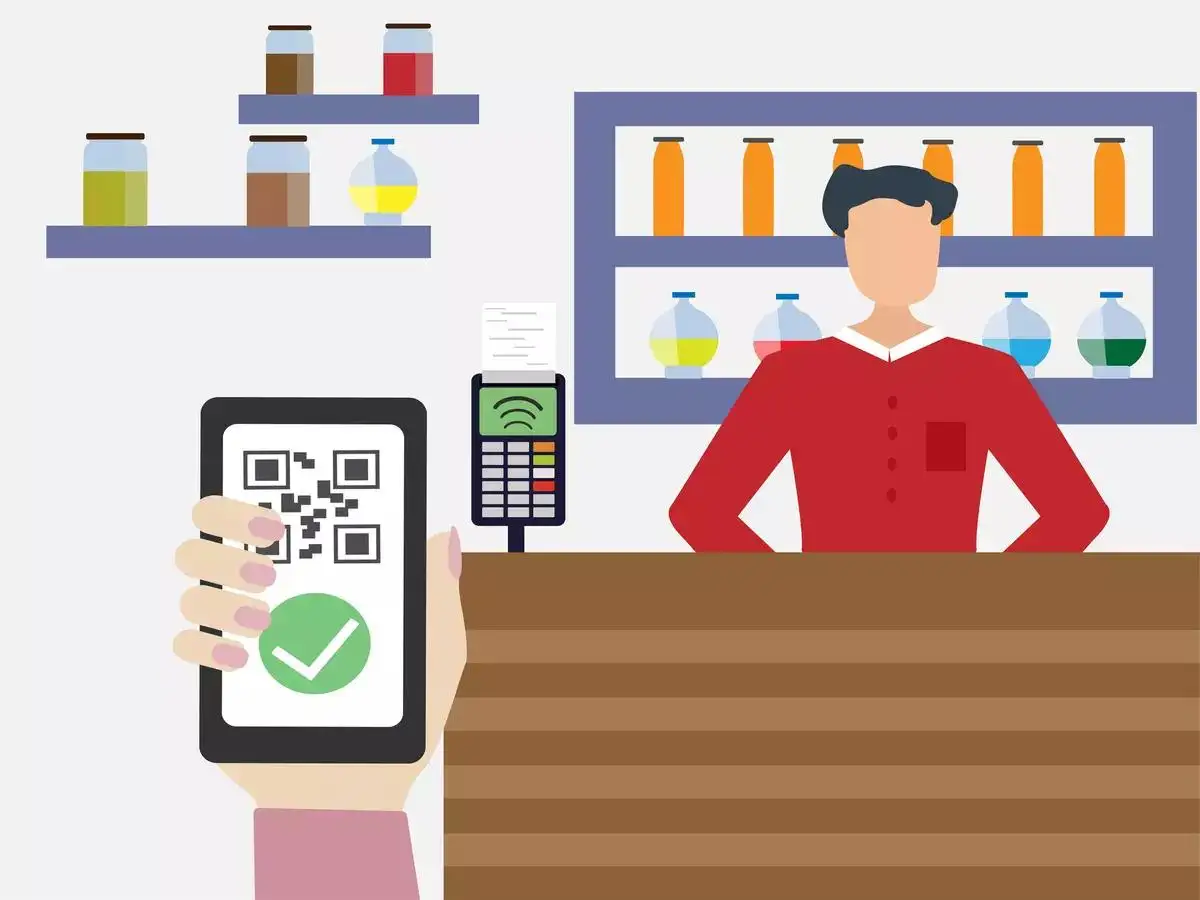
Take a common example. A diner receives a bill of ₹2,000, opens a UPI app to pay the restaurant, but accidentally enters ₹20,000 instead. The transfer goes through instantly. It is only the next morning, while checking the transaction history, that the error becomes clear. In such a situation, the payment cannot simply be undone at the tap of a button, but that does not mean the sender has no remedy at all.
Speed matters in such situations. A prompt request can help establish that the transfer was a genuine mistake and may improve the chances of an early resolution. It also ensures that the recipient is informed before the dispute moves into a more formal process involving banks or payment platforms.
The expert also stressed the importance of preserving all transaction-related details. That includes the transaction ID, screenshots, receipts and any payment confirmation records. These details can be crucial if the complaint needs to be examined by the bank, the UPI platform or any formal grievance redressal channel.
This means the issue is not about cancelling the original payment, but about seeking the return of the excess amount that was transferred by mistake. The expert noted that banks involved in the transaction can facilitate dispute resolution and assist users in the recovery process, but cooperation between the parties is often necessary.
If the recipient cooperates after being informed about the mistake, the matter may move faster. But if the recipient does not respond or refuses to address the issue, the sender may need to continue pursuing the complaint through the bank and the UPI platform.
As digital payments continue to grow rapidly in India, such mistakes are becoming easier to imagine in everyday life. That is why a simple habit remains important before confirming any transfer — checking the amount, recipient details and final payment screen one last time. In the world of instant payments, a few seconds of caution can make all the difference.
Take a common example. A diner receives a bill of ₹2,000, opens a UPI app to pay the restaurant, but accidentally enters ₹20,000 instead. The transfer goes through instantly. It is only the next morning, while checking the transaction history, that the error becomes clear. In such a situation, the payment cannot simply be undone at the tap of a button, but that does not mean the sender has no remedy at all.
Contact The Recipient As Soon As The Error Is Noticed
According to the information shared by the expert, the first step after an accidental UPI overpayment is to contact the recipient and request a refund of the excess amount. If the payment has gone to a restaurant, merchant or any other known recipient, informing them quickly can help bring the issue to their attention before the matter becomes more complicated.Speed matters in such situations. A prompt request can help establish that the transfer was a genuine mistake and may improve the chances of an early resolution. It also ensures that the recipient is informed before the dispute moves into a more formal process involving banks or payment platforms.
File A Complaint Through Your Bank Or UPI App
Reaching out to the recipient is only one part of the process. The sender should also lodge a complaint through the bank or the UPI application used to make the payment. This creates an official record of the dispute and starts the formal process of seeking redress.You may also like
- FIFA World Cup 2026: Ticketing fraud surges amid rise of fake websites
- Adding gold to portfolio can boost returns without significantly increasing risk: WhiteOak study
- Amazon CEO meets PM Modi, announces USD 48 billion investment
- Vedanta Aluminium, NALCO at risk? Up to 40% downside seen
- Soon 85% compensation for Rs 50,000 lost in fraud
The expert also stressed the importance of preserving all transaction-related details. That includes the transaction ID, screenshots, receipts and any payment confirmation records. These details can be crucial if the complaint needs to be examined by the bank, the UPI platform or any formal grievance redressal channel.
Why A Successful UPI Payment Cannot Simply Be Cancelled
One of the key challenges in such cases is that UPI transactions are processed almost instantly. Once a payment has been successfully completed, it cannot be reversed or cancelled unilaterally simply because the sender later realises that the amount entered was wrong.This means the issue is not about cancelling the original payment, but about seeking the return of the excess amount that was transferred by mistake. The expert noted that banks involved in the transaction can facilitate dispute resolution and assist users in the recovery process, but cooperation between the parties is often necessary.
How Long Can The Recovery Process Take?
There is no fixed timeline for resolution. The process may take several days and can also extend to weeks, depending on whether the recipient acknowledges the error and how the banks handle the dispute.If the recipient cooperates after being informed about the mistake, the matter may move faster. But if the recipient does not respond or refuses to address the issue, the sender may need to continue pursuing the complaint through the bank and the UPI platform.
What If The Recipient Refuses To Return The Excess Amount?
The expert said that if excess money has been transferred due to a payment mistake, the recipient is generally expected to return it once the error is brought to their notice. If that does not happen, the sender should escalate the matter by approaching the bank for redress and reporting the dispute through the UPI platform.As digital payments continue to grow rapidly in India, such mistakes are becoming easier to imagine in everyday life. That is why a simple habit remains important before confirming any transfer — checking the amount, recipient details and final payment screen one last time. In the world of instant payments, a few seconds of caution can make all the difference.






More from our partners


Loving Newspoint? Download the app now
