
Japan Halts Indian Mango Imports After 20 Years: Full Story

For the first time in nearly 20 years, Japan has halted the import of fresh Indian mangoes.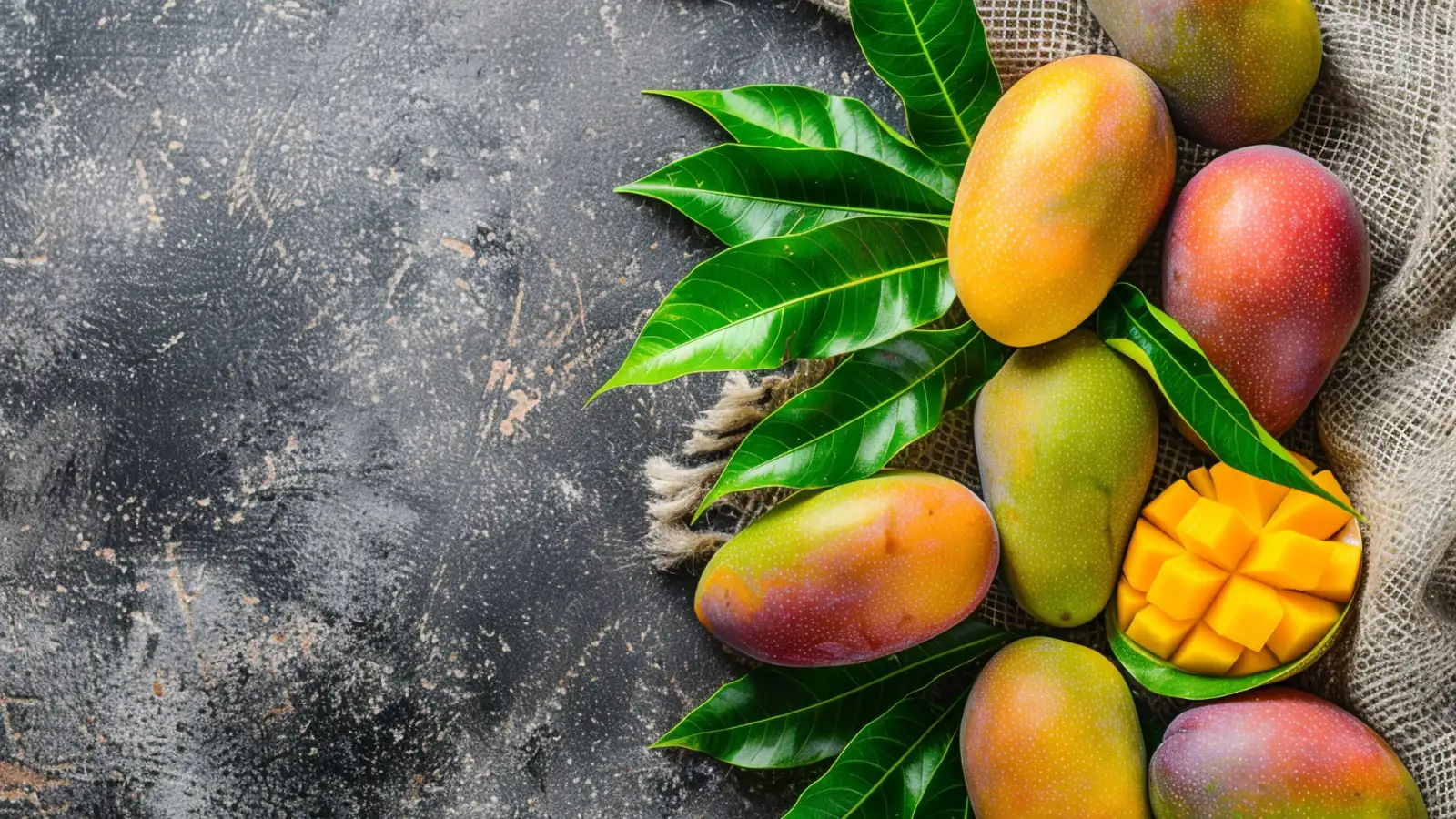
India resumed exporting mangoes to Japan in 2006 after a long-standing ban was lifted. Since then, Indian mangoes have gained popularity among Japanese consumers, particularly premium varieties such as Alphonso, Kesar, Langra, and Banganapalli.
However, the 2026 mango season has witnessed an unexpected disruption. Japanese authorities have temporarily suspended imports after quarantine inspectors identified deficiencies in the treatment procedures carried out at Indian facilities responsible for preparing mangoes for export.
Before the start of every export season, Japanese inspectors visit India to examine facilities responsible for processing mangoes destined for Japan. During this year's inspection, officials reportedly found that certain fumigation and disinfection measures did not meet the required standards.
As a result, authorities decided to suspend the acceptance of fresh mango shipments until the identified issues are addressed.
According to the notice, mango consignments carrying inspection certificates issued after 25 March 2026 would no longer be accepted into Japan. The suspension will remain in place until operational procedures are brought in line with Japanese quarantine requirements.
Also Read: Which City Is known As The ‘Mango Capital Of The World’? Hint: It Is In Uttar Pradesh
The suspension has come at a critical time, as the peak export season for Indian mangoes typically runs between April and June.
This is a non-chemical quarantine process designed to eliminate fruit flies and other pests that could threaten agricultural ecosystems in importing countries.
Indian mangoes are known for:
Once the required improvements are implemented and approved, exports could resume. Until then, the temporary suspension remains in effect for the 2026 mango season.
Japan's decision to suspend imports of Indian mangoes marks the first such interruption in two decades. Triggered by concerns over fumigation and disinfection procedures at Indian treatment facilities, the move has affected popular varieties such as Alphonso, Kesar, Langra and Banganapalli. While the suspension presents challenges for exporters, it also highlights the importance of maintaining stringent international quality and quarantine standards in global agricultural trade.
India resumed exporting mangoes to Japan in 2006 after a long-standing ban was lifted. Since then, Indian mangoes have gained popularity among Japanese consumers, particularly premium varieties such as Alphonso, Kesar, Langra, and Banganapalli.
However, the 2026 mango season has witnessed an unexpected disruption. Japanese authorities have temporarily suspended imports after quarantine inspectors identified deficiencies in the treatment procedures carried out at Indian facilities responsible for preparing mangoes for export.
Why Did Japan Stop Importing Indian Mangoes?
The suspension stems from concerns raised during inspections conducted by Japanese quarantine officials in March 2026.Before the start of every export season, Japanese inspectors visit India to examine facilities responsible for processing mangoes destined for Japan. During this year's inspection, officials reportedly found that certain fumigation and disinfection measures did not meet the required standards.
As a result, authorities decided to suspend the acceptance of fresh mango shipments until the identified issues are addressed.
What Did Japanese Authorities Say?
Following the inspection, the Yokohama Plant Protection Association, which supports Japan's plant quarantine operations, issued a formal notice on 31 March 2026.According to the notice, mango consignments carrying inspection certificates issued after 25 March 2026 would no longer be accepted into Japan. The suspension will remain in place until operational procedures are brought in line with Japanese quarantine requirements.
Also Read: Which City Is known As The ‘Mango Capital Of The World’? Hint: It Is In Uttar Pradesh
Which Indian Mango Varieties Are Affected?
The decision impacts several of India's most popular export varieties, including:Alphonso Mango
Known as the "King of Mangoes", Alphonso is prized for its rich flavour, aroma and smooth texture.Kesar Mango
Popular for its sweet taste and vibrant saffron-coloured pulp.Langra Mango
A widely loved variety known for its distinctive flavour and juicy flesh.Banganapalli Mango
One of South India's most important commercial mango varieties with strong export demand.The suspension has come at a critical time, as the peak export season for Indian mangoes typically runs between April and June.
What Is Vapour Heat Treatment (VHT)?
A Mandatory Requirement for Mango Exports
One of the most important requirements for exporting mangoes to Japan is the use of Vapour Heat Treatment (VHT).This is a non-chemical quarantine process designed to eliminate fruit flies and other pests that could threaten agricultural ecosystems in importing countries.
How Does VHT Work?
During the process:- Mangoes are exposed to carefully controlled heat.
- Humid air is circulated around the fruit.
- The treatment eliminates harmful pests without affecting fruit quality.
- Export shipments receive certification only after successful treatment.
You may also like
- Strong DII buying of Rs 5,109 crore offsets heavy FII outflows in stock market
- Brajesh Kumar Singh appointed MD & CEO Canara Bank
- Keeping India's growth story intact: 5 lessons from Middle East conflict that should not be ignored
- CM Vijay targets DMK, vows clean governance at Trichy rally
- Delhi Police Bust Alleged 9-Member Terror Module; Mumbra Youth Held Over Suspected ISI And Underworld Links
Impact on India's Mango Export Industry
The temporary suspension is expected to affect exporters who rely on Japan as a premium market for Indian mangoes.Exporters Face Losses
With shipments blocked during the peak season, exporters may face financial losses and logistical challenges.Reduced Market Access
Japanese consumers will have limited access to fresh Indian mangoes unless the issue is resolved quickly.Need for Compliance Improvements
The suspension highlights the importance of maintaining international quarantine standards and export protocols.Why Are Indian Mangoes Popular Worldwide?
India is the world's largest producer of mangoes and grows hundreds of unique varieties.Indian mangoes are known for:
- Exceptional sweetness
- Rich aroma
- Diverse flavours
- Premium quality
- Strong international demand
What Happens Next?
Indian authorities and exporters are expected to work closely with Japanese regulators to address the concerns raised during the inspection process.Once the required improvements are implemented and approved, exports could resume. Until then, the temporary suspension remains in effect for the 2026 mango season.
Japan's decision to suspend imports of Indian mangoes marks the first such interruption in two decades. Triggered by concerns over fumigation and disinfection procedures at Indian treatment facilities, the move has affected popular varieties such as Alphonso, Kesar, Langra and Banganapalli. While the suspension presents challenges for exporters, it also highlights the importance of maintaining stringent international quality and quarantine standards in global agricultural trade.






More from our partners


Loving Newspoint? Download the app now
