
Delhi Sees Season’s Warmest Night At 25.6°C, Heatwave Alert Issued

New Delhi: Delhi recorded its warmest night of the season on Wednesday, with the minimum temperature settling at 25.6 degrees Celsius, according to the India Meteorological Department (IMD). The temperature remained significantly above normal for this time of the year, indicating an early onset of intense summer heat in the capital.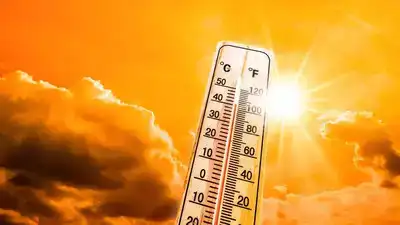
The IMD has predicted a partly cloudy sky throughout the day and has issued a yellow alert, cautioning residents about the possibility of heatwave conditions in some parts of the city. The maximum temperature is expected to reach around 40 degrees Celsius, which can lead to severe discomfort, especially during afternoon hours.
The relative humidity at 8:30 AM was recorded at 51%, further contributing to the muggy and uncomfortable conditions across Delhi-NCR. Rising humidity levels combined with soaring temperatures have increased the risk of heat-related health issues such as dehydration, fatigue, and heat stroke. The IMD has advised citizens, particularly the elderly and children, to avoid direct sunlight, wear light clothing, and stay well-hydrated.
Adding to the weather-related concerns, Delhi’s air quality also remained in the ‘poor’ category, with the Air Quality Index (AQI) recorded at 233 at 9 AM, as per data from the Central Pollution Control Board (CPCB).
What does AQI 233 mean?
Poor air quality, when combined with high heat and humidity, can worsen respiratory issues and cause discomfort even in healthy individuals. Residents are urged to limit outdoor activity, especially in the afternoon and evening hours when pollution levels peak.
With no significant rainfall predicted in the coming days, Delhi is likely to remain under the grip of early summer heat. Weather experts suggest that such temperature spikes are becoming more frequent and intense due to climate change and rapid urbanization.
The warm night, high day temperatures, and poor air quality are a signal for Delhiites to take necessary precautions. Authorities may implement further advisories depending on how the weather develops over the next few days.
The IMD has predicted a partly cloudy sky throughout the day and has issued a yellow alert, cautioning residents about the possibility of heatwave conditions in some parts of the city. The maximum temperature is expected to reach around 40 degrees Celsius, which can lead to severe discomfort, especially during afternoon hours.
The relative humidity at 8:30 AM was recorded at 51%, further contributing to the muggy and uncomfortable conditions across Delhi-NCR. Rising humidity levels combined with soaring temperatures have increased the risk of heat-related health issues such as dehydration, fatigue, and heat stroke. The IMD has advised citizens, particularly the elderly and children, to avoid direct sunlight, wear light clothing, and stay well-hydrated.
You may also like
- Video: Man's final moments caught on camera as 3 drowns in Lucknow river during Ganesh idol immersion
- TOI Impact: Meghana Sajjanar's target blocked by fund crunch; ace Bengaluru rifle shooter is now struggling to stay afloat in the sport
- Divorced woman can seek maintenance even if divorce was on ground of desertion: Allahabad HC
- A voice for farmers' concerns: Aivarnadu holds information workshop on managing wildlife conflict
- Government bus employees to hold protest on October 7, but no bus strike
Adding to the weather-related concerns, Delhi’s air quality also remained in the ‘poor’ category, with the Air Quality Index (AQI) recorded at 233 at 9 AM, as per data from the Central Pollution Control Board (CPCB).
What does AQI 233 mean?
- 0–50: Good
- 51–100: Satisfactory
- 101–200: Moderate
- 201–300: Poor
- 301–400: Very Poor
- 401–500: Severe
Poor air quality, when combined with high heat and humidity, can worsen respiratory issues and cause discomfort even in healthy individuals. Residents are urged to limit outdoor activity, especially in the afternoon and evening hours when pollution levels peak.
With no significant rainfall predicted in the coming days, Delhi is likely to remain under the grip of early summer heat. Weather experts suggest that such temperature spikes are becoming more frequent and intense due to climate change and rapid urbanization.
The warm night, high day temperatures, and poor air quality are a signal for Delhiites to take necessary precautions. Authorities may implement further advisories depending on how the weather develops over the next few days.






Loving Newspoint? Download the app now
