
Traffic Challan Update! Delhi Drivers Can Now Pay Fines Instantly Without Carrying Cash

Motorists in the national capital may soon find traffic fine payments far more convenient than before. In a significant move towards digital governance, Delhi's traffic enforcement framework has been upgraded with new technology that enables immediate issuance and payment of traffic challans.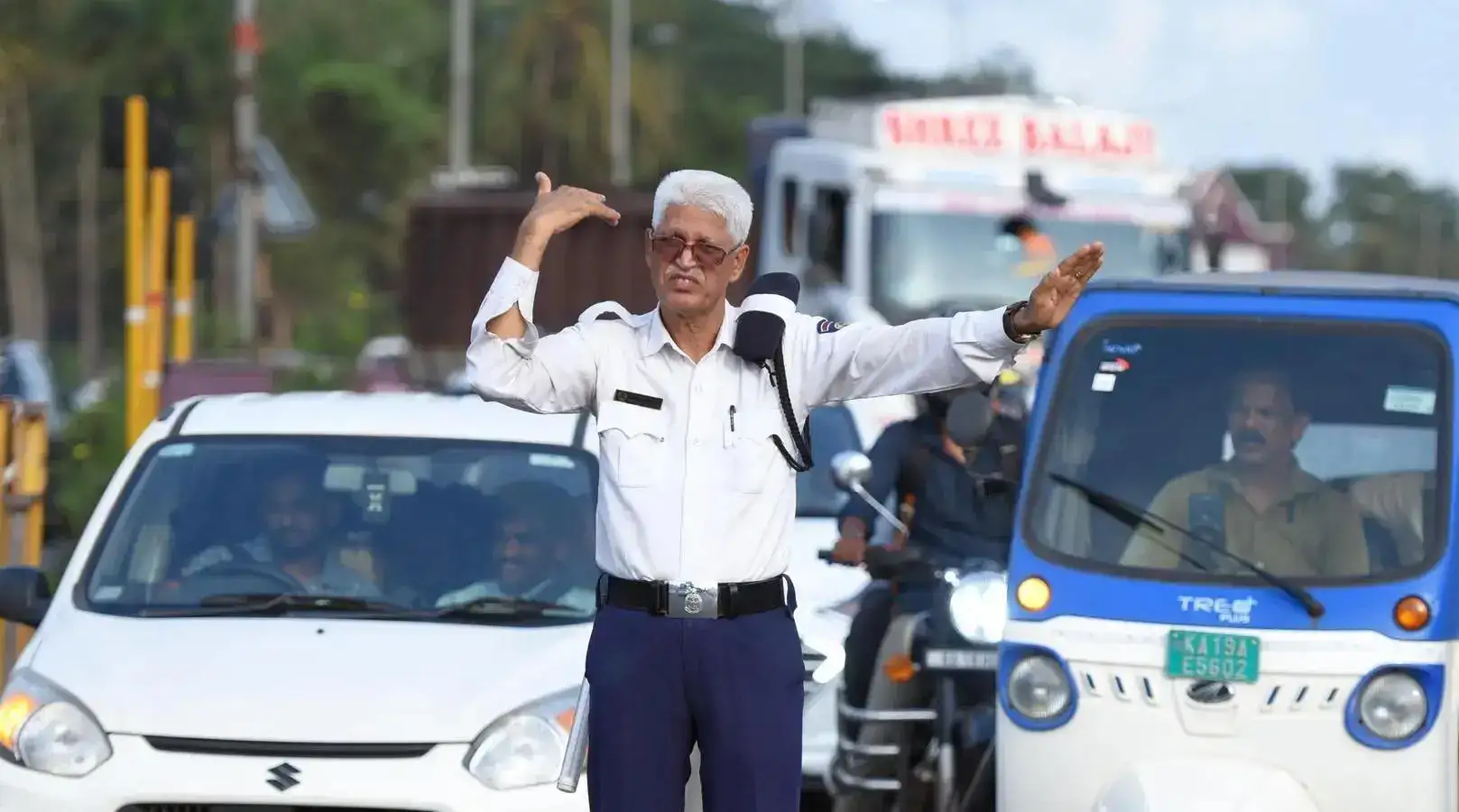
The initiative is designed to simplify the experience for drivers while improving efficiency for enforcement authorities. With digital payment methods becoming increasingly common across India, the latest system aims to eliminate many of the inconveniences traditionally associated with settling traffic penalties.
Drivers who violate traffic regulations will no longer be required to carry cash or complete payment at a later date. Instead, fines can be settled instantly using popular digital payment options, including UPI, debit cards and credit cards.
The change is expected to significantly reduce delays in payment and make the process more user-friendly for motorists.
By enabling instant transactions, authorities hope to create a smoother experience while encouraging quicker settlement of penalties.
These portable machines allow officers to generate traffic challans directly at the location where a violation occurs. The technology removes the need for extensive paperwork and streamlines the enforcement process.
The devices have been developed to support real-time operations, ensuring that traffic violations can be recorded, processed and settled within minutes.
Officials believe the new technology will strengthen both efficiency and accountability during enforcement activities.
Apart from generating challans instantly, the machines can capture photographic evidence related to violations. This feature helps create a more accurate digital record and reduces the likelihood of disputes.
The digital workflow also provides better documentation of enforcement actions, ensuring that records remain accessible and traceable whenever required.
Such measures are expected to enhance public confidence in the challan process while supporting more effective traffic management.
When enforcement action involves towing a vehicle, the system can send prompt notifications to the registered mobile number of the vehicle owner. This helps keep motorists informed and reduces uncertainty regarding the location or status of their vehicles.
Instant communication can prove especially useful in busy urban environments where vehicle owners may otherwise struggle to obtain timely information.
The notification feature represents another step towards making traffic administration more responsive and transparent.
This integration allows users to pay eligible traffic fines using widely available UPI applications. Both newly issued challans and certain existing payable challans can be settled through the digital platform.
The move aligns with broader efforts to encourage cashless transactions and simplify public service delivery through technology-driven solutions.
For motorists, this means fewer procedural hurdles and greater flexibility when dealing with traffic penalties.
By combining instant challan generation, digital payments, photographic documentation and automated notifications, the system aims to create a more efficient enforcement environment.
For drivers, the biggest advantage is convenience. For authorities, the technology provides stronger record-keeping and faster processing capabilities.
As cities increasingly adopt smart governance solutions, Delhi's upgraded traffic enforcement model highlights how technology can simplify routine interactions between citizens and public agencies while promoting transparency and operational efficiency.
The initiative is designed to simplify the experience for drivers while improving efficiency for enforcement authorities. With digital payment methods becoming increasingly common across India, the latest system aims to eliminate many of the inconveniences traditionally associated with settling traffic penalties.
Digital Payments Take Centre Stage
One of the most important features of the upgraded system is the ability to pay fines immediately after a challan is issued.Drivers who violate traffic regulations will no longer be required to carry cash or complete payment at a later date. Instead, fines can be settled instantly using popular digital payment options, including UPI, debit cards and credit cards.
The change is expected to significantly reduce delays in payment and make the process more user-friendly for motorists.
By enabling instant transactions, authorities hope to create a smoother experience while encouraging quicker settlement of penalties.
Modern Handheld Devices Introduced For Field Officers
As part of the initiative, traffic personnel have been equipped with a large number of newly introduced handheld e-challan devices.These portable machines allow officers to generate traffic challans directly at the location where a violation occurs. The technology removes the need for extensive paperwork and streamlines the enforcement process.
The devices have been developed to support real-time operations, ensuring that traffic violations can be recorded, processed and settled within minutes.
Officials believe the new technology will strengthen both efficiency and accountability during enforcement activities.
Faster Enforcement With Enhanced Transparency
The latest generation of e-challan devices comes with several advanced capabilities designed to improve transparency.Apart from generating challans instantly, the machines can capture photographic evidence related to violations. This feature helps create a more accurate digital record and reduces the likelihood of disputes.
The digital workflow also provides better documentation of enforcement actions, ensuring that records remain accessible and traceable whenever required.
Such measures are expected to enhance public confidence in the challan process while supporting more effective traffic management.
Immediate Alerts For Vehicle Owners
Another notable feature of the upgraded system relates to vehicle towing operations.When enforcement action involves towing a vehicle, the system can send prompt notifications to the registered mobile number of the vehicle owner. This helps keep motorists informed and reduces uncertainty regarding the location or status of their vehicles.
Instant communication can prove especially useful in busy urban environments where vehicle owners may otherwise struggle to obtain timely information.
The notification feature represents another step towards making traffic administration more responsive and transparent.
Integration With Digital Payment Infrastructure
The upgraded enforcement framework has also been connected to a wider digital payment ecosystem, making challan settlement more convenient.You may also like
- Man sits on road as pregnant wife 'trapped' in traffic jam after VIP convoy stops vehicles in Bengaluru
- Tamil Nadu doctors' body calls for surgical castration of sexual predators
- Father-son duo among three killed in toxic gas leak at Ludhiana factory, several workers fall unconscious
- AFT bar association says, SC has sought centre's response on plea for time bound filling of vacancies
- Lucknow LPG price hike: Commercial cylinder rates up by Rs 42 from June 1
This integration allows users to pay eligible traffic fines using widely available UPI applications. Both newly issued challans and certain existing payable challans can be settled through the digital platform.
The move aligns with broader efforts to encourage cashless transactions and simplify public service delivery through technology-driven solutions.
For motorists, this means fewer procedural hurdles and greater flexibility when dealing with traffic penalties.
A Step Towards Smarter Urban Governance
The introduction of advanced e-challan technology reflects the growing role of digital tools in public administration.By combining instant challan generation, digital payments, photographic documentation and automated notifications, the system aims to create a more efficient enforcement environment.
For drivers, the biggest advantage is convenience. For authorities, the technology provides stronger record-keeping and faster processing capabilities.
As cities increasingly adopt smart governance solutions, Delhi's upgraded traffic enforcement model highlights how technology can simplify routine interactions between citizens and public agencies while promoting transparency and operational efficiency.






More from our partners


Loving Newspoint? Download the app now
