
Why Marina Beach Is Called Marina: The Governor Who Built a Promenade

Why is Marina Beach called Marina? The name sounds Italian, almost Mediterranean. Standing on Chennai's famous seafront at dawn, with fishing boats pulling in and kites threading the salt air, the word feels borrowed from somewhere far away. And it was. The name traces back to a British colonial administrator who transformed Chennai's rugged coastline into a grand promenade inspired by European seaside cities. But who was the governor behind this transformation, and how did the name Marina become part of Chennai's identity?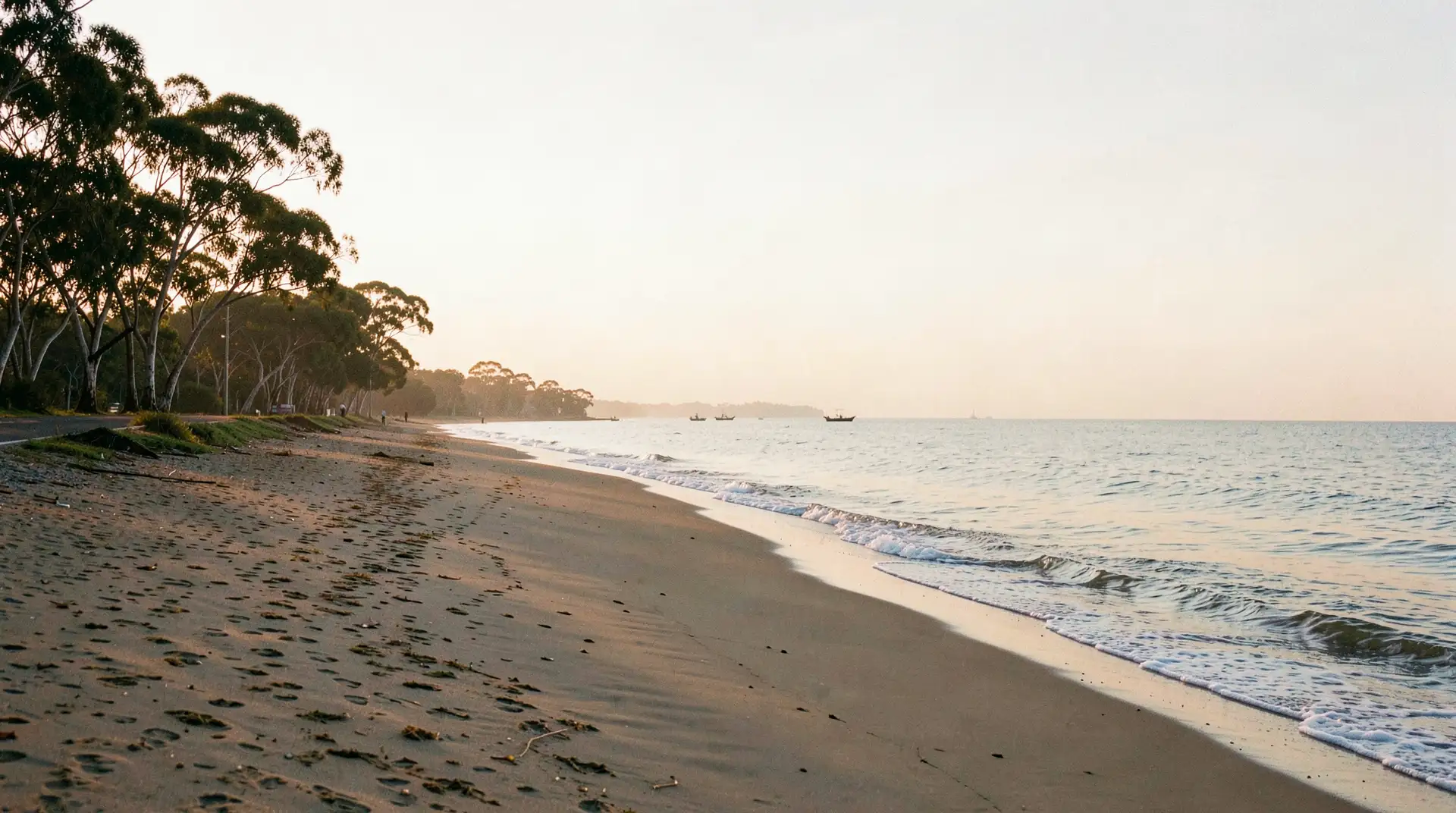
The word he chose for it was Marina, a term that in Victorian English carried the sense of a seaside walkway, from the Latin mare, meaning sea. He ordered the reclamation and levelling of the foreshore, the laying of a carriage road along its length, and the planting of casuarina trees that still line parts of the beach today. The promenade he built was modelled on what a prosperous British seaside town might offer its residents: a place to take the evening air, to be seen, to walk without purpose.
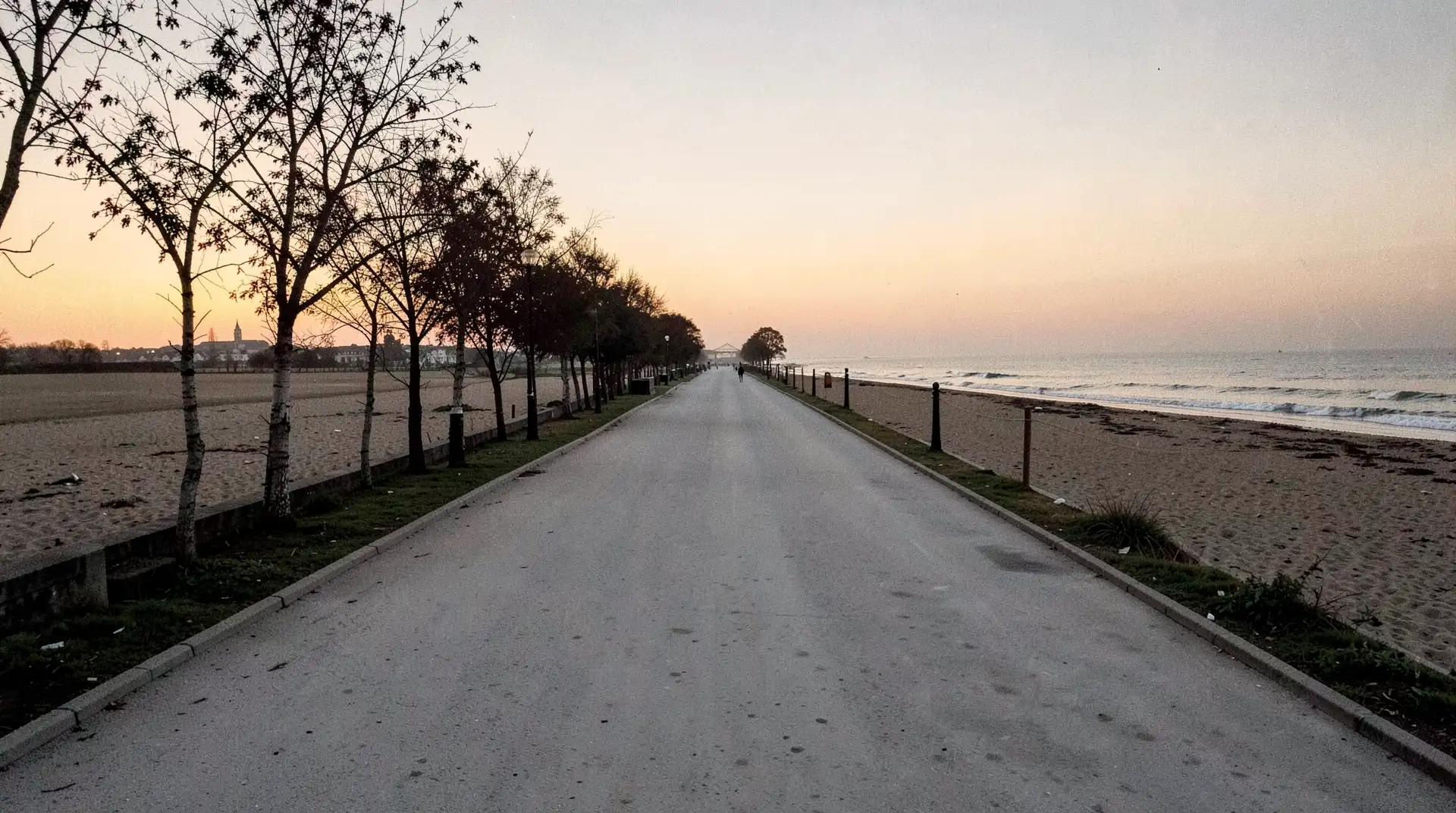
Institutions followed the road Grant Duff had built: the University of Madras Senate House, the Presidency College, the Madras High Court, and later the memorials to Tamil leaders that now punctuate the sand. Each addition made the beach more civic, more visited, and more named. By the time Madras became Chennai in 1996, Marina was too embedded in the city's daily language to shift. The name had outlasted the empire that coined it.
The Governor Behind the Name
Mountstuart Elphinstone Grant Duff served as Governor of Madras from 1881 to 1886. He was a Scottish politician and diarist, more comfortable in literary London than in the heat of the Coromandel Coast. What he saw along the seafront of Madras was a long, underused strip of sand running south from the Fort. He saw, in its place, a promenade.The word he chose for it was Marina, a term that in Victorian English carried the sense of a seaside walkway, from the Latin mare, meaning sea. He ordered the reclamation and levelling of the foreshore, the laying of a carriage road along its length, and the planting of casuarina trees that still line parts of the beach today. The promenade he built was modelled on what a prosperous British seaside town might offer its residents: a place to take the evening air, to be seen, to walk without purpose.
You may also like
- Bhopal retired IAS officer murder: Caretaker arrested in Agra, shot in leg after escape bid
- Puttur government hospital to be upgraded to 220 beds ahead of medical college launch in 2027-28
- Gen salutes Punjab's martial legacy; says shun drugs, be fit to serve
- No ground; educational institutions pushing students indoors
- Stranded for 2 nights, 4 porters escape Kedartal avalanche by following bear tracks
What Was There Before
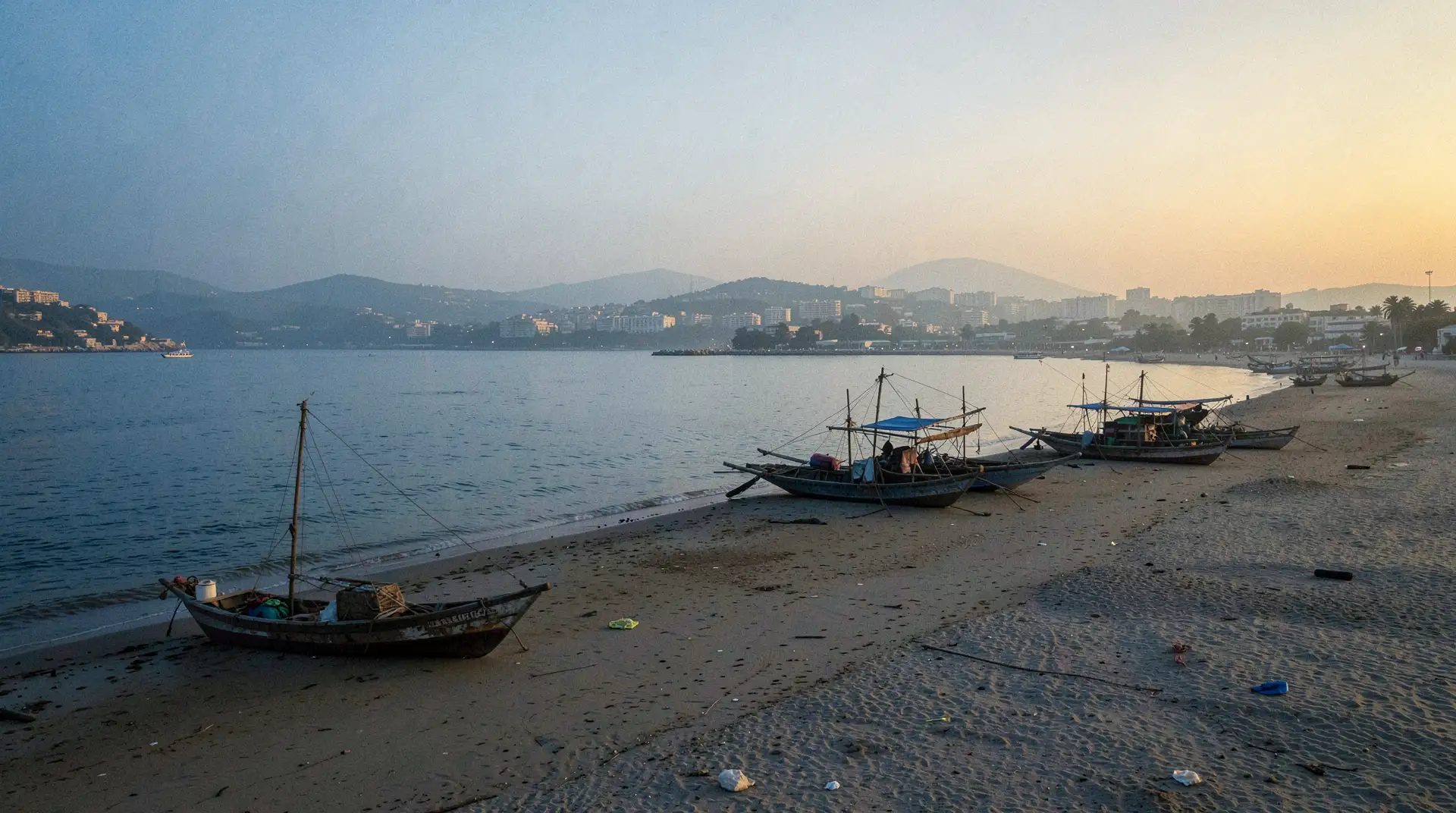
Before Grant Duff's intervention, the stretch had no unified name and no designed character. The beach existed as it always had, a working shoreline where fishermen from the Pattinavar community launched their catamarans, where goods moved between ship and shore, and where the city simply ended. The colonial city of Madras had grown inland and northward around Fort St. George, and the seafront had remained functional rather than civic. Grant Duff changed the relationship between the city and its coast. He turned a working edge into a public face.How the Name Spread and Stayed
The promenade was referred to as the Marina from the time of its construction, and the name attached itself to the beach as the city grew around it. Madras expanded southward along the coast through the late nineteenth and early twentieth centuries.Institutions followed the road Grant Duff had built: the University of Madras Senate House, the Presidency College, the Madras High Court, and later the memorials to Tamil leaders that now punctuate the sand. Each addition made the beach more civic, more visited, and more named. By the time Madras became Chennai in 1996, Marina was too embedded in the city's daily language to shift. The name had outlasted the empire that coined it.
A Name That Belongs to the City Now
Grant Duff left Madras in 1886 and returned to Britain, where he spent his later years writing his diaries and corresponding with friends. He is remembered in Chennai, if at all, by a road that once bore his name. The beach kept his word for it. Marina today belongs entirely to the city, to the early morning walkers, the sundal sellers, the students who come to sit by the water, and the fishermen who were there long before any promenade existed. The colonial origin of the name has faded into the texture of the place. What remains is a stretch of sand that a governor once decided to call something, and a city that made the word its own.





Loving Newspoint? Download the app now
