
Which State Is Known as the Ginger Capital of India? Know the Surprising Answer

When it comes to spice cultivation, the Ginger Capital of India is Mizoram. Located in the picturesque hills of Northeast India, this state has earned a strong reputation for producing large quantities of high-quality ginger. The crop plays a vital role in Mizoram’s agricultural economy and serves as a major source of income for thousands of farming families across the region.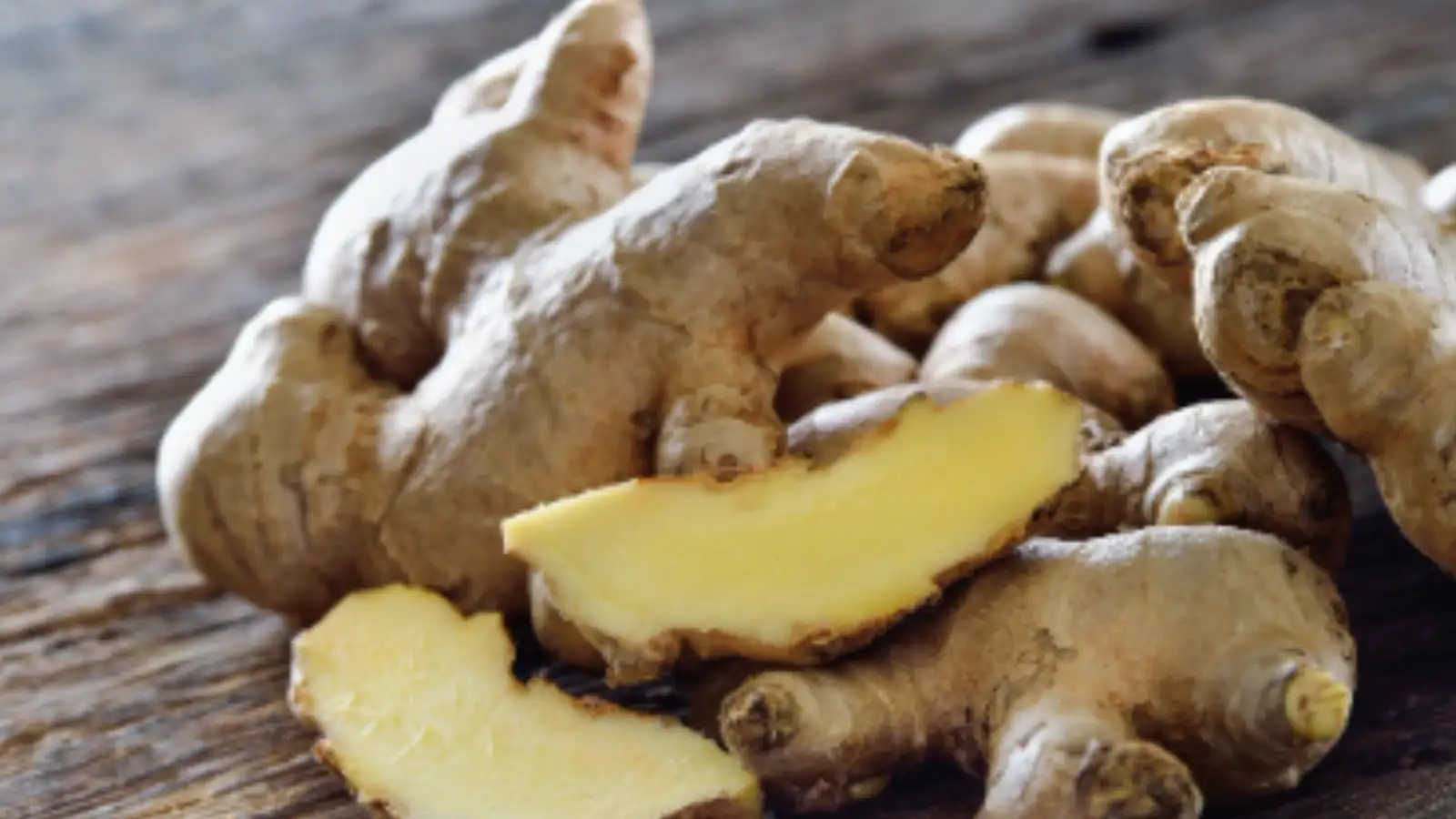
Why Is Mizoram Called the Ginger Capital of India?
Mizoram is among India’s leading ginger-producing states, with the spice being one of its most important cash crops. Ginger cultivation is widespread across several districts, making it a key contributor to the state's rural economy.
The state’s farmers have been growing ginger for generations, and the crop continues to hold immense economic significance. Its large-scale production and consistent quality have helped Mizoram gain recognition as the country's ginger hub.
Perfect Climate Makes Ginger Farming Thrive
One of the biggest reasons behind Mizoram’s success in ginger cultivation is its favourable natural environment. The state enjoys:
These conditions create an excellent setting for ginger farming, allowing farmers to produce rhizomes known for their strong flavour, rich aroma and superior quality.
A Lifeline for Thousands of Farmers
Ginger cultivation is more than just an agricultural activity in Mizoram—it is a major source of livelihood. Thousands of farmers depend on the crop to support their families and sustain their income.
In many rural areas, ginger is grown alongside other crops, helping farmers diversify their earnings. Along with rice, it remains one of the most commercially valuable agricultural products in the state.
The spice industry has played a significant role in improving the economic well-being of farming communities and strengthening rural development.
Naturally Grown Ginger Gains Market Demand
A notable feature of ginger produced in Mizoram is its cultivation through traditional farming practices. Many farmers use minimal chemical inputs, resulting in produce that appeals to consumers seeking naturally grown spices.
Why Is Mizoram Called the Ginger Capital of India?
Mizoram is among India’s leading ginger-producing states, with the spice being one of its most important cash crops. Ginger cultivation is widespread across several districts, making it a key contributor to the state's rural economy.
The state’s farmers have been growing ginger for generations, and the crop continues to hold immense economic significance. Its large-scale production and consistent quality have helped Mizoram gain recognition as the country's ginger hub.
Perfect Climate Makes Ginger Farming Thrive
One of the biggest reasons behind Mizoram’s success in ginger cultivation is its favourable natural environment. The state enjoys:
- Moderate temperatures throughout the year
- Abundant rainfall
- Fertile soil rich in nutrients
- Hilly terrain ideal for cultivation
These conditions create an excellent setting for ginger farming, allowing farmers to produce rhizomes known for their strong flavour, rich aroma and superior quality.
A Lifeline for Thousands of Farmers
Ginger cultivation is more than just an agricultural activity in Mizoram—it is a major source of livelihood. Thousands of farmers depend on the crop to support their families and sustain their income.
In many rural areas, ginger is grown alongside other crops, helping farmers diversify their earnings. Along with rice, it remains one of the most commercially valuable agricultural products in the state.
The spice industry has played a significant role in improving the economic well-being of farming communities and strengthening rural development.
Naturally Grown Ginger Gains Market Demand
A notable feature of ginger produced in Mizoram is its cultivation through traditional farming practices. Many farmers use minimal chemical inputs, resulting in produce that appeals to consumers seeking naturally grown spices.
Next Story