
Who Invented The Light Bulb? The Brilliant Story Behind A World-Changing Invention

The light bulb is one of the most important inventions in human history. It changed the way people lived, worked, and travelled by bringing electric light into everyday life. Today, switching on a light feels ordinary, but creating the first practical light bulb took years of experiments, failures, and innovation.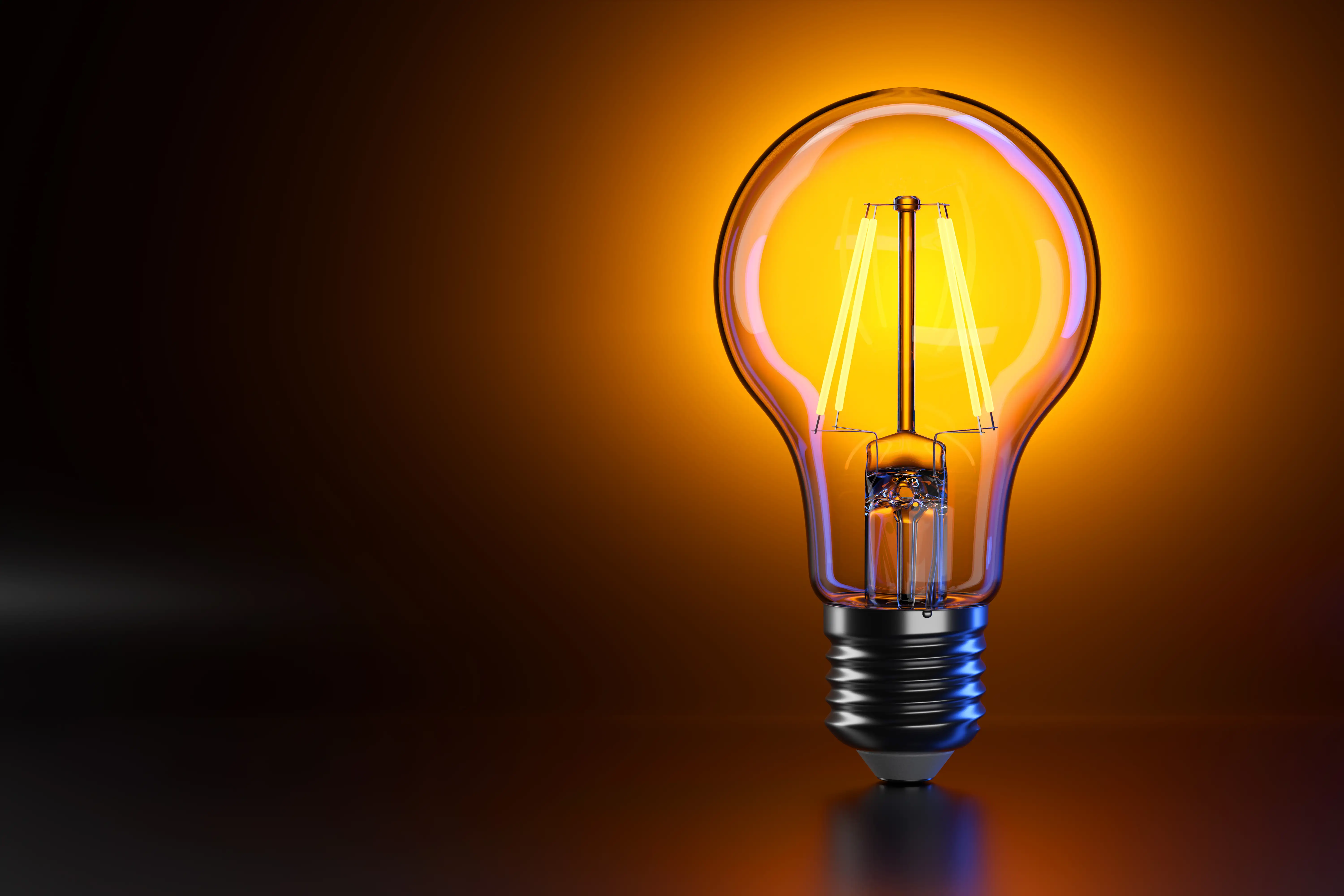
Although many people believe one inventor created it alone, the history of the light bulb is actually a story involving several brilliant minds.
One of the first major breakthroughs came from British scientist Humphry Davy, who created an electric arc lamp in the early 1800s. While it produced light, it was too bright and impractical for homes or offices.
Over time, many inventors attempted to design a safer and longer-lasting electric light source.
Also Read: Who Invented the Traffic Light and When? All You Need to Know
His version used a carbon filament inside a vacuum-sealed glass bulb, making it suitable for everyday use. More importantly, Edison also worked on creating an entire electric lighting system, including power generation and distribution.
This made electric lighting more accessible to homes and businesses around the world.
In fact, Swan and Edison later worked together in business because their inventions were so similar. Other scientists and engineers also contributed improvements to filament materials, glass design, and electrical systems.
The modern light bulb was the result of teamwork across decades of scientific progress.
The arrival of the light bulb transformed cities and homes by making lighting safer, brighter, and more reliable. Factories could operate longer hours, streets became easier to navigate at night, and homes became more comfortable after sunset.
Although many people believe one inventor created it alone, the history of the light bulb is actually a story involving several brilliant minds.
Early Experiments With Electric Light
Long before modern electric lighting existed, scientists were already experimenting with electricity. During the early 19th century, inventors discovered that electric currents could produce light.One of the first major breakthroughs came from British scientist Humphry Davy, who created an electric arc lamp in the early 1800s. While it produced light, it was too bright and impractical for homes or offices.
Over time, many inventors attempted to design a safer and longer-lasting electric light source.
Also Read: Who Invented the Traffic Light and When? All You Need to Know
Thomas Edison And The Practical Light Bulb
When people ask who invented the light bulb , the name most commonly mentioned is Thomas Edison. In 1879, Edison successfully developed a practical incandescent light bulb that could last for many hours.His version used a carbon filament inside a vacuum-sealed glass bulb, making it suitable for everyday use. More importantly, Edison also worked on creating an entire electric lighting system, including power generation and distribution.
This made electric lighting more accessible to homes and businesses around the world.
Other Inventors Who Played A Key Role
Although Thomas Edison became famous for the light bulb invention , he was not the only inventor involved. British inventor Joseph Swan had already developed a working incandescent lamp around the same time.In fact, Swan and Edison later worked together in business because their inventions were so similar. Other scientists and engineers also contributed improvements to filament materials, glass design, and electrical systems.
The modern light bulb was the result of teamwork across decades of scientific progress.
How The Light Bulb Changed Daily Life
Before electric light invention , people relied on candles, oil lamps, and gas lighting. These methods were dim, expensive, and sometimes dangerous.The arrival of the light bulb transformed cities and homes by making lighting safer, brighter, and more reliable. Factories could operate longer hours, streets became easier to navigate at night, and homes became more comfortable after sunset.
Next Story