
What Is a Fatwa? The Legal and Religious Debate Surrounding Aamir Khan and Gauri Spratt's Marriage

Bollywood superstar Aamir Khan has found himself at the centre of a massive cultural and religious debate following his recent marriage to Bengaluru-based entrepreneur Gauri Spratt . The couple tied the knot in an intimate, private ceremony on 5 July 2026, surrounded by family and close friends.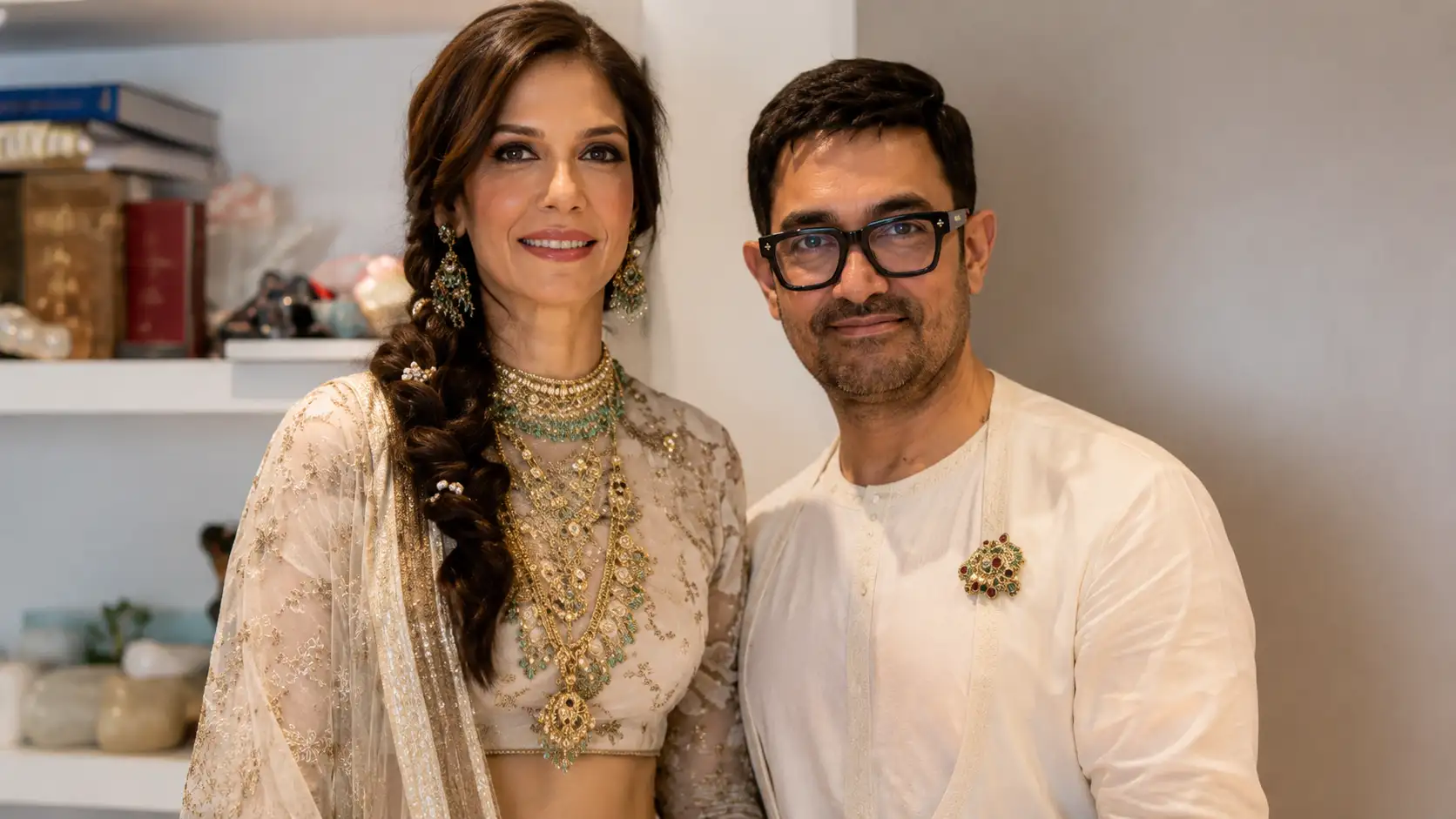
However, the celebratory atmosphere was quickly overshadowed. A prominent Islamic cleric in Uttar Pradesh publicly objected to the union and issued a formal religious decree, known as a fatwa, against the actor. The cleric claimed that the marriage violates traditional Islamic law because the bride does not practice Islam.
The incident has reignited nationwide discussions regarding interfaith relationships, personal freedoms, and the role of religious rulings in a modern secular society.
What exactly is a Fatwa?
For many people outside the Muslim community, the term "fatwa" is often misunderstood. In the media, it is often portrayed as an absolute punishment or a final legal verdict. In reality, a fatwa is simply a non-binding legal opinion or religious ruling issued by a qualified Islamic scholar, known as a Mufti.
When an individual or a community seeks guidance on how Islamic law applies to a specific issue or modern-day situation, they may consult a Mufti. After examining Islamic religious texts and legal principles, the scholar provides an opinion in the form of a fatwa.
Importantly, a fatwa has no legal authority under the Indian judicial system. India is governed by secular Constitutional and its laws, which means a fatwa cannot be enforced by the police or courts. People are legally free to accept or disagree it. A fatwa therefore remains a matter of personal religious guidance rather than a legally binding order.
Why the Cleric Objected to the Marriage
The controversy began when Maulana Chaudhary Ifrahim Hussain , the Shahi Chief Mufti of the Muslim Personal Darul Ifta, released a video statement criticising the Bollywood star’s marriage. The cleric argued that, under traditional interpretation of Sharia, a Muslim man is not permitted to marry a non-Muslim woman unless she formally converts to Islam.
Calling the marriage invalid under religious law, the Maulana claimed that such high-profile unions could negatively affect the traditional image of the faith. The statement quickly went viral on social media, sparking intense debate between those who supported the cleric’s traditionalists and progressive social media users.
Aamir Khan Defends His Inclusive Family
Breaking his silence on the issue, Aamir Khan firmly rejected both the religious objections and political allegations made by some right-wing figures, who labelled his marriage as "love jihad". In an interview, the 61-year-old actor described the growing political controversy as ‘completely absurd’, adding that "life is getting more comical as time passes."
Khan clarified that his relationship with Gauri, whom he has known for nearly 25 years, was formalised through a civil marriage under India's Special Marriage Act. The law allows individuals from different religious backgrounds to marry legally without either partner having to change their faith.
The actor also stressed that religious conversion was never part of the discussion, noting that none of his previous partners converted to his faith either.
"Neither Gauri, Kiran nor Reena converted their religion, as we had civil marriages. Gauri is not even Hindu, she is Christian, and not even a practising Christian at that."
Khan further explained that his family has a long, proud history of interfaith harmony, noting that his sisters, daughter, and cousins are all happily married to partners from diverse religious backgrounds, including Hinduism and Christianity.
The Legal Framework: Special Marriage Act vs Personal Law
This unfolding controversy highlights a long-standing tension in India between religious personal laws and civil law. While traditional religious frameworks from various faiths discourage interfaith unions, the Indian Constitution actively protects them under the Special Marriage Act.
Legal experts point out that since the marriage was registered under secular civil law, the union is completely valid, protected, and legal under the state. While the fatwa reflects the theological views of traditional clerics, it does not diminish the legal standing of the couple's marriage, serving instead as a reminder of the ongoing debate between ancient traditions and modern individual rights.
However, the celebratory atmosphere was quickly overshadowed. A prominent Islamic cleric in Uttar Pradesh publicly objected to the union and issued a formal religious decree, known as a fatwa, against the actor. The cleric claimed that the marriage violates traditional Islamic law because the bride does not practice Islam.
The incident has reignited nationwide discussions regarding interfaith relationships, personal freedoms, and the role of religious rulings in a modern secular society.
What exactly is a Fatwa?
For many people outside the Muslim community, the term "fatwa" is often misunderstood. In the media, it is often portrayed as an absolute punishment or a final legal verdict. In reality, a fatwa is simply a non-binding legal opinion or religious ruling issued by a qualified Islamic scholar, known as a Mufti.
When an individual or a community seeks guidance on how Islamic law applies to a specific issue or modern-day situation, they may consult a Mufti. After examining Islamic religious texts and legal principles, the scholar provides an opinion in the form of a fatwa.
Importantly, a fatwa has no legal authority under the Indian judicial system. India is governed by secular Constitutional and its laws, which means a fatwa cannot be enforced by the police or courts. People are legally free to accept or disagree it. A fatwa therefore remains a matter of personal religious guidance rather than a legally binding order.
Why the Cleric Objected to the Marriage
The controversy began when Maulana Chaudhary Ifrahim Hussain , the Shahi Chief Mufti of the Muslim Personal Darul Ifta, released a video statement criticising the Bollywood star’s marriage. The cleric argued that, under traditional interpretation of Sharia, a Muslim man is not permitted to marry a non-Muslim woman unless she formally converts to Islam.
You may also like
- Anuradha Paudwal reacts to controversy surrounding her comments on Ram Mandir donation theft and 'Vishwaguru' narrative: 'It is taken out of context and sensationalised'
- Javed Akhtar shares a heartwarming moment with daughter-in-law Shibani Dandekar at Wimbledon
- Kalki Koechlin reflects on 15 years of 'Zindagi Na Milegi Dobara', says 'none of us felt intimidated by Hrithik Roshan or Katrina Kaif'
- From the small town of Kolhapur to the CEO of Chanel, how Leena Nair is redefining leadership through ambition, empathy, and compassion.
- 'It's really troubling...': Anurag Kashyap supports Sonam Wangchuk's hunger strike
Calling the marriage invalid under religious law, the Maulana claimed that such high-profile unions could negatively affect the traditional image of the faith. The statement quickly went viral on social media, sparking intense debate between those who supported the cleric’s traditionalists and progressive social media users.
Aamir Khan Defends His Inclusive Family
Breaking his silence on the issue, Aamir Khan firmly rejected both the religious objections and political allegations made by some right-wing figures, who labelled his marriage as "love jihad". In an interview, the 61-year-old actor described the growing political controversy as ‘completely absurd’, adding that "life is getting more comical as time passes."
Khan clarified that his relationship with Gauri, whom he has known for nearly 25 years, was formalised through a civil marriage under India's Special Marriage Act. The law allows individuals from different religious backgrounds to marry legally without either partner having to change their faith.
The actor also stressed that religious conversion was never part of the discussion, noting that none of his previous partners converted to his faith either.
"Neither Gauri, Kiran nor Reena converted their religion, as we had civil marriages. Gauri is not even Hindu, she is Christian, and not even a practising Christian at that."
Khan further explained that his family has a long, proud history of interfaith harmony, noting that his sisters, daughter, and cousins are all happily married to partners from diverse religious backgrounds, including Hinduism and Christianity.
The Legal Framework: Special Marriage Act vs Personal Law
This unfolding controversy highlights a long-standing tension in India between religious personal laws and civil law. While traditional religious frameworks from various faiths discourage interfaith unions, the Indian Constitution actively protects them under the Special Marriage Act.
Legal experts point out that since the marriage was registered under secular civil law, the union is completely valid, protected, and legal under the state. While the fatwa reflects the theological views of traditional clerics, it does not diminish the legal standing of the couple's marriage, serving instead as a reminder of the ongoing debate between ancient traditions and modern individual rights.






Loving Newspoint? Download the app now
