
Amitabh Bachchan Shares Viral Video of 134-Year-Old Vishnu Temple in Iran, Internet Fascinated

The digital space is buzzing after legendary actor Amitabh Bachchan shared a viral video of a 134-year-old Vishnu temple in Iran. Taking to his official Instagram page, the cinema veteran brought attention to a lesser-known piece of history located in the coastal city of Bandar Abbas. The ancient temple showcases a stunning blend of Indo-Iranian architecture and has quickly fascinated history enthusiasts online. The post crossed 700,000 views within a day, turning the historic Hindu temple in Bandar Abbas into a major talking point on social media and highlighting the long-standing cultural ties between India and Iran.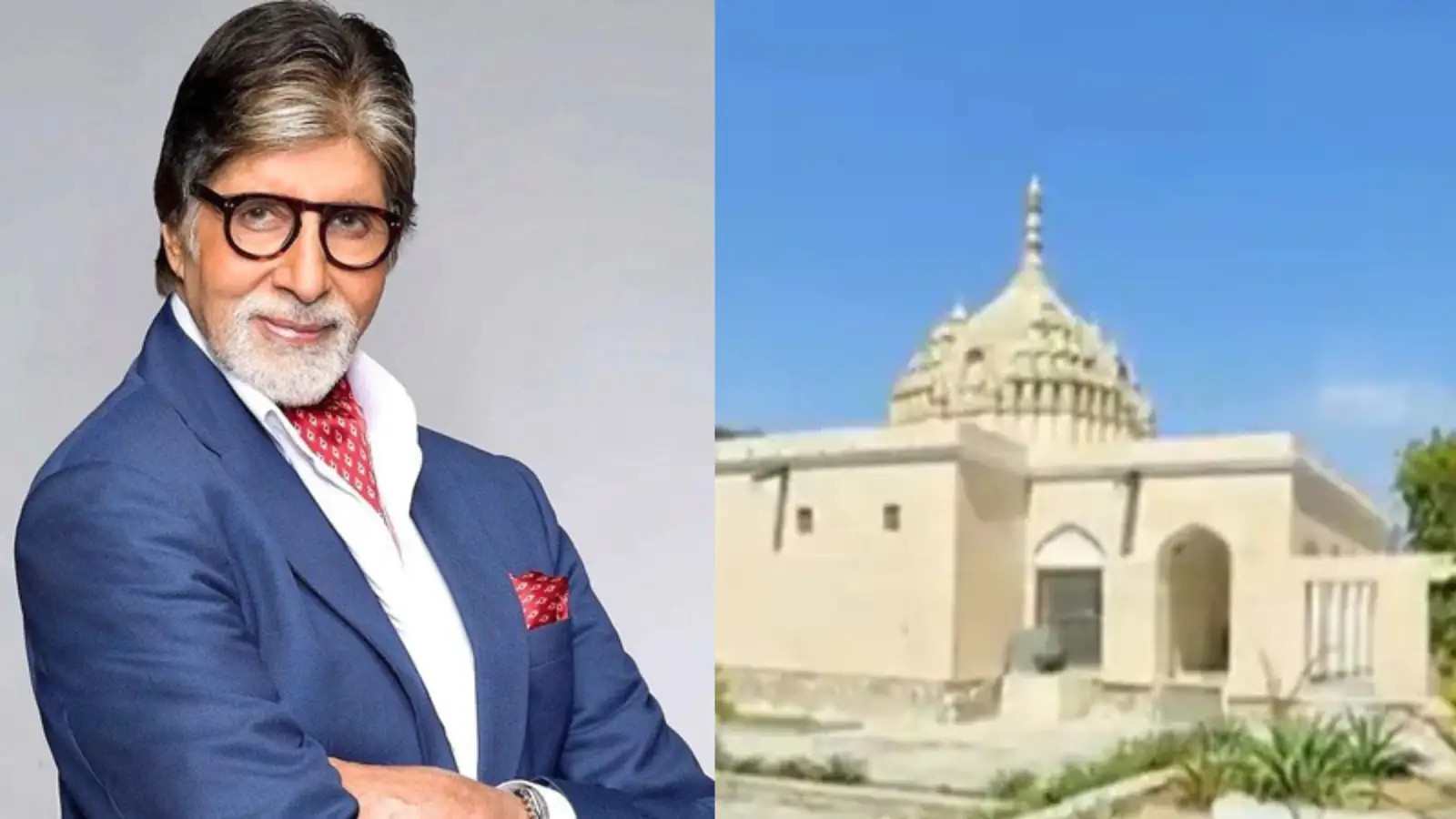
According to old historical records, the structure was built back in 1892 during the famous Qajar era under the local rule of Mohammad Hassan Sa'd-ol-Malek. The city of Bandar Abbas sits right along the Strait of Hormuz, which has always been a highly important global shipping route. During the late 19th century, a large community of Hindu traders from India moved to the region for business under the British Indian Company. To give these workers a proper place of worship, local authorities allowed the construction of the building, creating a beautiful example of how different communities peacefully lived together.
The design of the building is quite different from the traditional temples found across India. Instead of familiar carved stone towers, it features a central square room topped with an onion-shaped dome decorated with pretty lotus carvings. The entire place was constructed using local materials like coral stone, mortar, mud, and lime chalk. Inside, a spiral staircase leads up to the roof, while long corridors connect the main prayer room to smaller chambers where priests used to stay. The windows were placed perfectly to let bright, warm sunlight completely fill the inner halls.
While many Indian residents left the country after the 1979 Islamic Revolution, the vacant building is now protected as a registered national historic monument. Local citizens often refer to it as 'Gooran' because of old native terms for Indian traders. Inside the main room, visitors can still find old paintings of Lord Krishna playing his flute with Radha, along with statues of Lord Vishnu and Lord Buddha. An adjacent room serves as a small museum housing precious artifacts, including an old bronze statue of Lord Shiva as Nataraja performing his cosmic dance.
Adding to the beauty of the viral post, the video features a melodious track sung in the Persian language by artist Fazina Kishan, with music arranged by director Karthik Kulal. The simple, touching lyrics translate to heartfelt praises, asking Lord Vishnu, Rama, and Krishna to stay in the hearts of the people forever. Interestingly, this is not the only historic Hindu structure in the country, as an Arya Samaj temple also stands in the city of Zahedan, proving that the roots of shared art and faith run deep across the region.
The History and Roots of the Shrine
According to old historical records, the structure was built back in 1892 during the famous Qajar era under the local rule of Mohammad Hassan Sa'd-ol-Malek. The city of Bandar Abbas sits right along the Strait of Hormuz, which has always been a highly important global shipping route. During the late 19th century, a large community of Hindu traders from India moved to the region for business under the British Indian Company. To give these workers a proper place of worship, local authorities allowed the construction of the building, creating a beautiful example of how different communities peacefully lived together.
A Unique Blend of Building Styles
The design of the building is quite different from the traditional temples found across India. Instead of familiar carved stone towers, it features a central square room topped with an onion-shaped dome decorated with pretty lotus carvings. The entire place was constructed using local materials like coral stone, mortar, mud, and lime chalk. Inside, a spiral staircase leads up to the roof, while long corridors connect the main prayer room to smaller chambers where priests used to stay. The windows were placed perfectly to let bright, warm sunlight completely fill the inner halls.
What Remains Inside the Complex Today
While many Indian residents left the country after the 1979 Islamic Revolution, the vacant building is now protected as a registered national historic monument. Local citizens often refer to it as 'Gooran' because of old native terms for Indian traders. Inside the main room, visitors can still find old paintings of Lord Krishna playing his flute with Radha, along with statues of Lord Vishnu and Lord Buddha. An adjacent room serves as a small museum housing precious artifacts, including an old bronze statue of Lord Shiva as Nataraja performing his cosmic dance.
A Musical Tribute in Persian
Adding to the beauty of the viral post, the video features a melodious track sung in the Persian language by artist Fazina Kishan, with music arranged by director Karthik Kulal. The simple, touching lyrics translate to heartfelt praises, asking Lord Vishnu, Rama, and Krishna to stay in the hearts of the people forever. Interestingly, this is not the only historic Hindu structure in the country, as an Arya Samaj temple also stands in the city of Zahedan, proving that the roots of shared art and faith run deep across the region.
Next Story