
Standing With Activists: Anurag Kashyap Criticizes Detention of Youth and Sonam Wangchuk

Acclaimed filmmaker Anurag Kashyap has launched a scathing attack on the Delhi Police and administrative authorities over their recent crackdown on peaceful demonstrators in the national capital. Kashyap’s sharp reaction comes in response to reports of police detaining young activists, university students, and supporters associated with the youth-led CJP movement, along with prominent climate reformer Sonam Wangchuk. Known for his candid commentary on contemporary political and social issues, the director took to social media and public forums to express his anger, calling out the excessive use of police force against citizens attempting to exercise their constitutional right to assemble peaceful assemblies.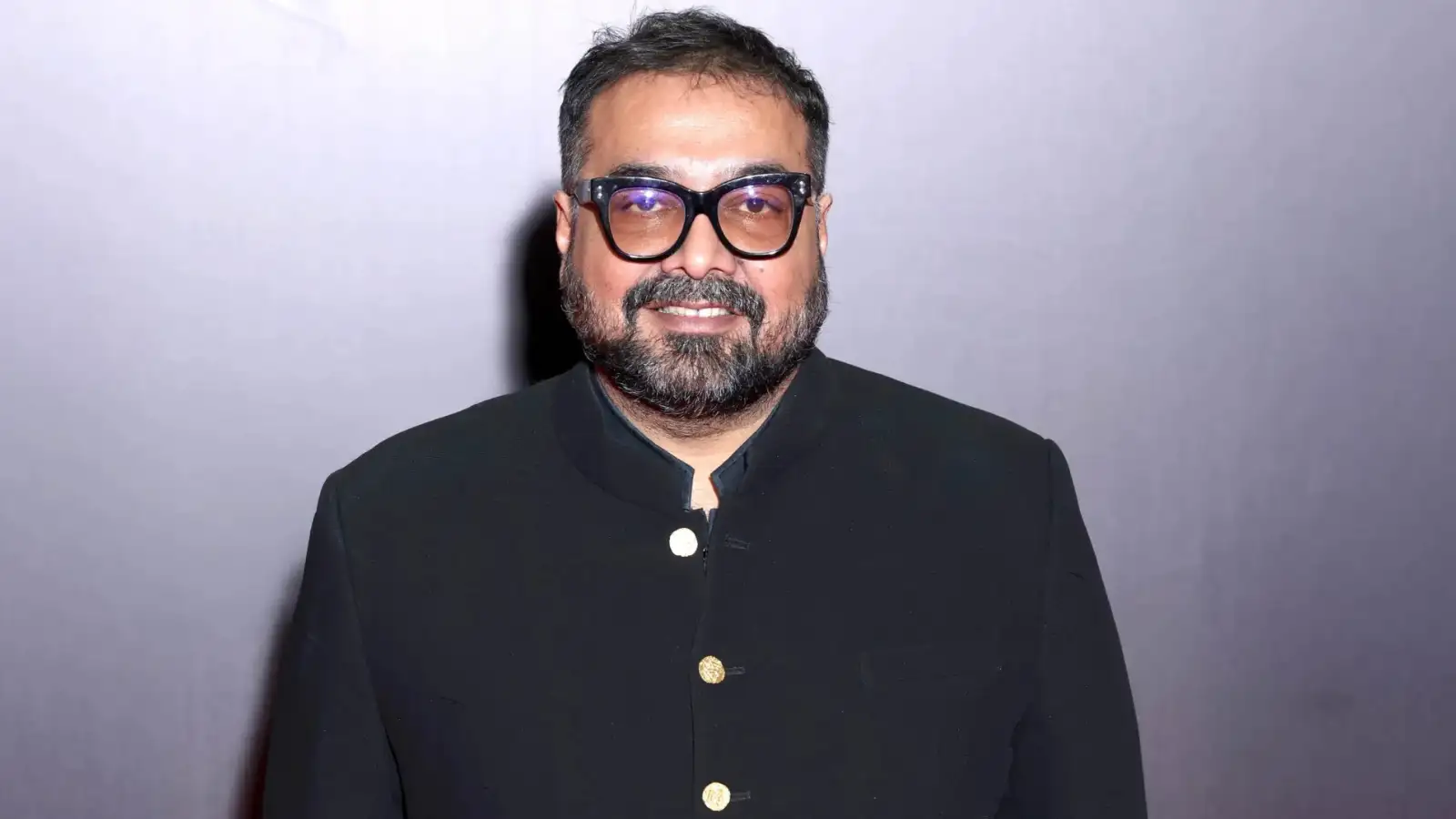
Kashyap’s intervention has added significant weight to the rising public criticism surrounding the handling of student-led movements in New Delhi. For days, young citizens, environmental advocates, and civic rights groups have been trying to bring national attention to urgent climate policies, educational reforms, and youth governance demands. However, the heavy-handed security deployment, roadblocks, and immediate detentions of movement leaders have drawn sharp condemnation from human rights organizations, artists, and public intellectuals across the country, who view these tactics as an attempt to stifle public dissent through intimidation.
The director expressed deep disappointment at how civic institutions handle individuals who choose peace, dialogue, and non-violent resistance over apathy. He noted that treating peaceful activists like threats to public security reflects a growing fear of open discourse among administrative authorities. By standing firmly behind Wangchuk and the CJP student protestors, Kashyap emphasized that the nation’s youth deserve encouragement, open communication, and protection from police excess when they stand up for ecological preservation and democratic rights.
Kashyap urged the public, legal bodies, and civil society to not turn a blind eye to the ongoing suppression of youth-led movements. He pointed out that today’s youth are simply demanding accountability on issues that directly determine their collective future—such as environmental sustainability, clean energy, fair educational opportunities, and employment transparency. Silencing these critical conversations through security forces does not solve the underlying problems; it merely breeds frustration, alienation, and distrust among the next generation of Indian citizens.
His vocal support serves as a reminder to the creative community and the broader public that staying silent during times of civic suppression is a choice that weakens democracy as a whole. Kashyap’s comments have catalyzed further discussions online, inspiring other cultural figures, student unions, and citizens to demand the immediate release of detained activists and an end to police heavy-handedness. As public outrage continues to grow over the incident, Kashyap’s message remains clear: a nation that suppresses its youth and punishes its peaceful thinkers risks destroying its own future.
Kashyap’s intervention has added significant weight to the rising public criticism surrounding the handling of student-led movements in New Delhi. For days, young citizens, environmental advocates, and civic rights groups have been trying to bring national attention to urgent climate policies, educational reforms, and youth governance demands. However, the heavy-handed security deployment, roadblocks, and immediate detentions of movement leaders have drawn sharp condemnation from human rights organizations, artists, and public intellectuals across the country, who view these tactics as an attempt to stifle public dissent through intimidation.
Standing in Solidarity with Sonam Wangchuk and Youth Activists
A central point of Kashyap’s critique was the treatment meted out to renowned innovator and climate advocate Sonam Wangchuk, alongside hundreds of young students from Ladakh and other parts of India. Wangchuk and his supporters had organized peaceful marches and demonstrations to highlight ecological fragility, local governance rights, and sustainable development needs in sensitive border regions. Kashyap highlighted the tragic irony of police targeting dedicated environmentalists and passionate youth who are devoting their lives to protecting the country's natural resources and democratic principles.You may also like
- Swara Bhasker alleges Mumbai Police detained husband Fahad Ahmad during CJP protest at Chaityabhoomi, shares videos online
- Nicole Scherzinger feels 'truly humbled' after performing at FIFA World Cup final
- Who was John Kirby? Actor, acting coach dies at 75
- 'Ramayana' comic book unveils Kapoor as Ram, Pallavi as Sita
- Menon alleges AMMA 'power group' humiliated her, sought personal gain
The director expressed deep disappointment at how civic institutions handle individuals who choose peace, dialogue, and non-violent resistance over apathy. He noted that treating peaceful activists like threats to public security reflects a growing fear of open discourse among administrative authorities. By standing firmly behind Wangchuk and the CJP student protestors, Kashyap emphasized that the nation’s youth deserve encouragement, open communication, and protection from police excess when they stand up for ecological preservation and democratic rights.
The Silencing of Dissent and the Erosion of Democratic Spaces
In his detailed remarks, Kashyap spoke broadly about the rapid shrinking of safe democratic spaces where citizens can question policy decisions without fear of harassment, detention, or public vilification. He argued that a vibrant democracy depends entirely on the government's willingness to tolerate dissent, listen to criticism, and protect peaceful assembly. When authorities react to peaceful marches with barricades, detentions, and blanket bans on public gatherings, it signals a dangerous departure from democratic norms toward institutional authoritarianism.Kashyap urged the public, legal bodies, and civil society to not turn a blind eye to the ongoing suppression of youth-led movements. He pointed out that today’s youth are simply demanding accountability on issues that directly determine their collective future—such as environmental sustainability, clean energy, fair educational opportunities, and employment transparency. Silencing these critical conversations through security forces does not solve the underlying problems; it merely breeds frustration, alienation, and distrust among the next generation of Indian citizens.
Filmmakers as Catalysts for Social Accountability and Public Awareness
Kashyap’s outspoken stance underscores the crucial role that artists, cultural figures, and independent filmmakers play in challenging power structures and keeping public debates alive. Throughout history, art and cinema have been closely linked with social commentary, and Kashyap has consistently used his platform to speak out against injustice, censorship, and administrative abuse. By speaking up for the CJP protestors and Sonam Wangchuk, he ensures that the struggles of grassroots activists remain visible in mainstream media and digital public spheres.His vocal support serves as a reminder to the creative community and the broader public that staying silent during times of civic suppression is a choice that weakens democracy as a whole. Kashyap’s comments have catalyzed further discussions online, inspiring other cultural figures, student unions, and citizens to demand the immediate release of detained activists and an end to police heavy-handedness. As public outrage continues to grow over the incident, Kashyap’s message remains clear: a nation that suppresses its youth and punishes its peaceful thinkers risks destroying its own future.






Loving Newspoint? Download the app now
