
3 Classic 1990s Manga That Still Feel Timeless Today

The 1990s produced some of the most influential manga ever published, laying the foundation for countless anime stories that followed. While trends in the medium have changed dramatically over the decades, some series continue to feel just as compelling today because their strongest qualities were never tied to the era in which they were first created.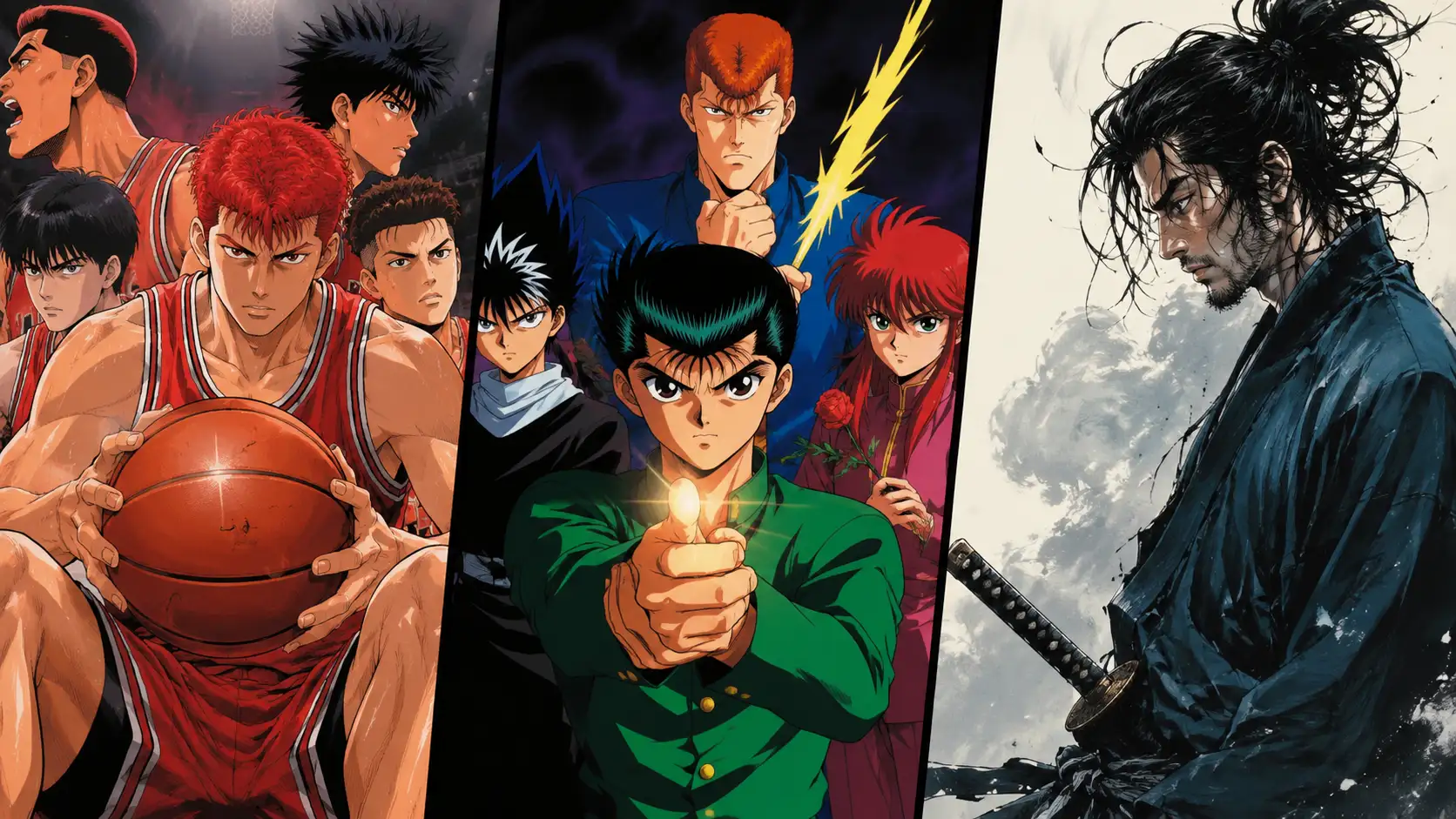
Many manga from the decade understandably show their age through outdated humor, uneven pacing, or storytelling conventions that no longer resonate with modern audiences. However, some manga remain remarkably fresh, continuing to attract new readers decades after their original serialisations ended.
Every match pushes both the characters and the story forward instead of existing purely to showcase competition. Modern sports manga continue to borrow ideas that Slam Dunk helped popularize decades ago.
Emotional rivalries, believable team chemistry, and gradual improvement remain far more satisfying than instant victories. Strong fundamentals never go out of style, and Slam Dunk demonstrates that better than almost any sports manga ever published.
Even tournament battles succeed because they always remain connected to the characters fighting them. Shonen’s defining conventions became popular through series like Yu Yu Hakusho, yet the manga rarely feels outdated despite its influence. Conflicts remain easy to follow without sacrificing strategy, while the cast's personalities continue carrying the story between major battles.
Every encounter shapes his understanding of both combat and humanity instead of simply adding another victory to his record. That reflective approach allows Vagabond to age remarkably well in an era where many action stories focus almost exclusively on escalating power levels.
Inoue's breathtaking artwork enhances every quiet conversation and emotional revelation just as effectively as the sword fights themselves. Readers often return to the series for its ideas as much as its action, giving the manga a lasting appeal that extends far beyond historical fiction.
Many manga from the decade understandably show their age through outdated humor, uneven pacing, or storytelling conventions that no longer resonate with modern audiences. However, some manga remain remarkably fresh, continuing to attract new readers decades after their original serialisations ended.
Slam Dunk
Takehiko Inoue's Slam Dunk transformed basketball into one of manga's most compelling sports without requiring readers to understand the game beforehand. Hanamichi Sakuragi begins as an immature delinquent with little interest in basketball, and his gradual growth into a genuine athlete feels completely earned.Every match pushes both the characters and the story forward instead of existing purely to showcase competition. Modern sports manga continue to borrow ideas that Slam Dunk helped popularize decades ago.
Emotional rivalries, believable team chemistry, and gradual improvement remain far more satisfying than instant victories. Strong fundamentals never go out of style, and Slam Dunk demonstrates that better than almost any sports manga ever published.
You may also like
- Charan to undergo surgery for wrist injury sustained during Peddi shoot
- Bhaktha Prahladha - Old school theatre tricks give this familiar myth a retro charm
- Shabana Azmi says students' relentless fight led to Delhi protest victory, calls their spirit inspiring: 'Zidd is necessary stepping stone to achievement'
- Who was Gauhar Jaan? Before Lata Mangeshkar and Mohammed Rafi, this was India's first crorepati singer who lost everything and died penniless
- Poetry was always meant to be heard, sung and shared: Chinmayi Tripathi and Joell Mukherjii
Yu Yu Hakusho
Long before battle shonen became dominated by increasingly complicated power systems, Yu Yu Hakusho proved that memorable characters matter far more than elaborate abilities. Yusuke Urameshi's journey from troubled delinquent to Spirit Detective combines supernatural action with humor, friendship, and genuine emotional growth.Even tournament battles succeed because they always remain connected to the characters fighting them. Shonen’s defining conventions became popular through series like Yu Yu Hakusho, yet the manga rarely feels outdated despite its influence. Conflicts remain easy to follow without sacrificing strategy, while the cast's personalities continue carrying the story between major battles.
Vagabond
Takehiko Inoue's Vagabond transforms the life of legendary swordsman Miyamoto Musashi into a deeply philosophical exploration of personal growth. Although the manga features spectacular duels, the true conflict lies within Musashi himself as he gradually questions what strength, success, and fulfillment actually mean.Every encounter shapes his understanding of both combat and humanity instead of simply adding another victory to his record. That reflective approach allows Vagabond to age remarkably well in an era where many action stories focus almost exclusively on escalating power levels.
Inoue's breathtaking artwork enhances every quiet conversation and emotional revelation just as effectively as the sword fights themselves. Readers often return to the series for its ideas as much as its action, giving the manga a lasting appeal that extends far beyond historical fiction.






Loving Newspoint? Download the app now
