
10 Low-Fantasy Anime That Blend Everyday Life With Extraordinary Worlds

The term low fantasy is sometimes misunderstood. The word “low” does not describe a story’s quality, ambition or emotional depth. Instead, it refers to fiction in which supernatural elements exist within an otherwise familiar, realistic or reality-inspired setting.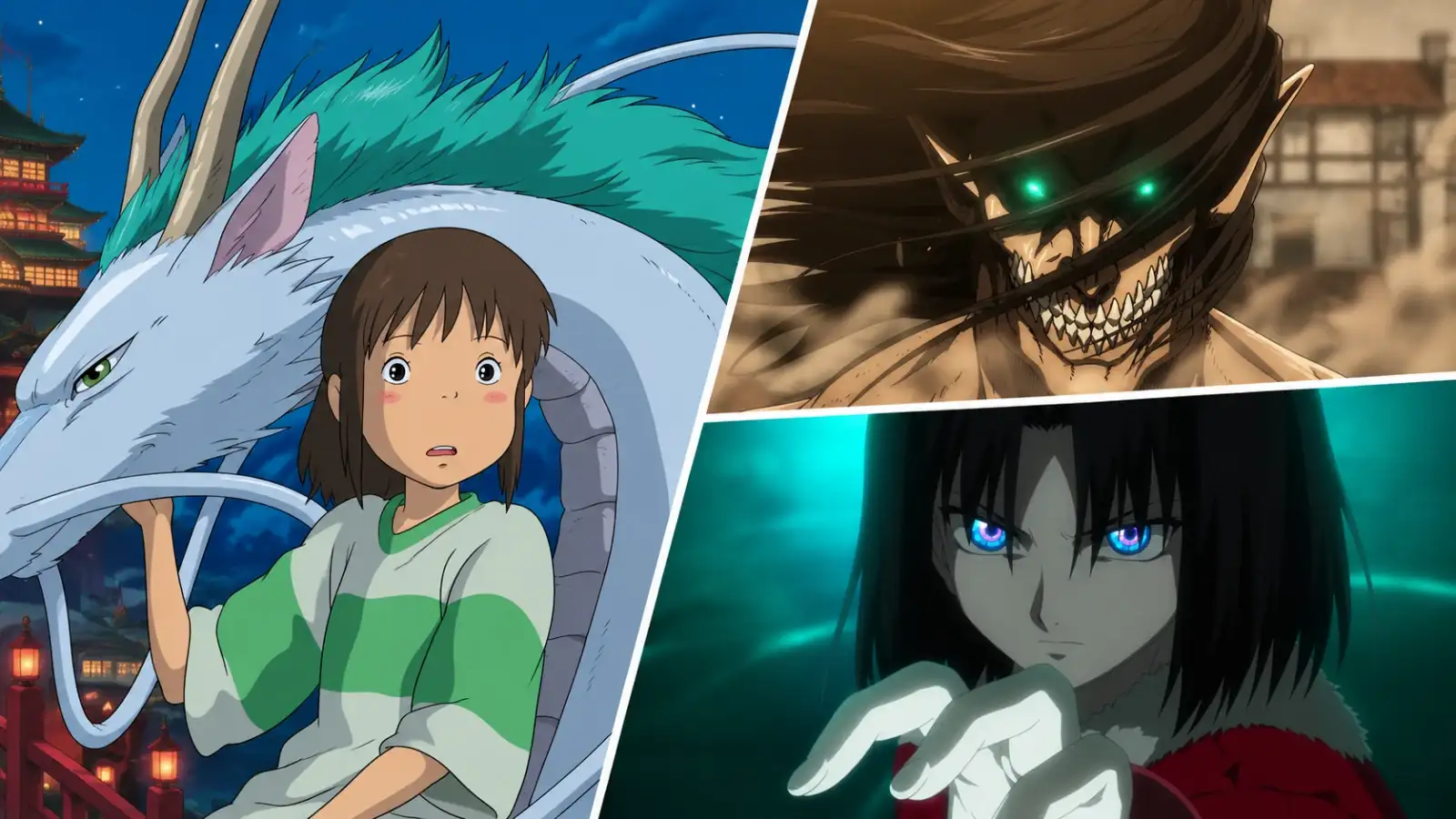
Unlike high fantasy, which usually takes place in entirely imagined worlds filled with elaborate magical systems and fictional kingdoms, low fantasy introduces extraordinary elements into recognisable surroundings. These supernatural details may be hidden from ordinary people, treated as urban legends or simply accepted as an unusual part of daily life.
Anime has explored this concept in many creative ways, combining magical ideas with relatable stories about relationships, identity, grief, survival and growing up. Here are 10 low-fantasy anime that demonstrate how effectively the genre can merge the extraordinary with the everyday.
The series features very little conventional magic. Its central supernatural element is Holo, a wolf deity associated with the harvest, who joins Lawrence on his journey. Although Holo possesses abilities far beyond those of ordinary humans, the world around her remains largely grounded in commerce, politics and rural life.
Much of the narrative focuses on currency, trade negotiations, economic risks and the difficulties of life on the road. At the same time, Lawrence and Holo gradually develop a meaningful relationship shaped by trust, disagreement and mutual dependence.
Holo’s divine nature adds a layer of mystery to an otherwise realistic setting, making the series a compelling example of low fantasy.
The story follows Sakura Kinomoto, a young schoolgirl who accidentally releases a collection of magical Clow Cards. After discovering the consequences of her mistake, she takes on the responsibility of recovering the cards with help from her friends and magical companions.
Despite the supernatural events surrounding her, Sakura continues to deal with familiar childhood experiences. Schoolwork, friendships, family relationships and innocent romantic feelings remain central to the story.
Most people in Sakura’s world are unaware of the magical forces operating around them. This contrast between ordinary life and secret supernatural adventures is one of the series’ defining qualities.
Rather than replacing reality with a completely different universe, Cardcaptor Sakura places magic within a recognisable version of modern Japan.
The series has explored settings inspired by Victorian England, modern Japan, Italy and the United States. Its characters encounter supernatural phenomena such as Stands, Hamon and other unusual powers, yet the surrounding world often remains recognisable.
In Diamond Is Unbreakable, for example, bizarre events unfold in the fictional Japanese town of Morioh, which otherwise resembles an ordinary community. Similarly, later story arcs place extraordinary battles within familiar cultural and geographical environments.
The series deliberately pushes reality to its limits, but its use of real-world settings creates an intriguing contrast between everyday surroundings and wildly imaginative abilities.
The district appears familiar at first, but its residents include individuals with extraordinary abilities and connections to unusual events. Among the most memorable figures is Celty Sturluson, a headless rider who travels through the city on a supernatural motorcycle.
The series also features characters with remarkable physical strength, mysterious backgrounds and links to urban legends. Yet the supernatural is not treated as an entirely separate dimension. It exists alongside crowded streets, schools, businesses and everyday social conflicts.
Through its multiple viewpoints and interconnected storylines, Durarara!! makes the unusual feel almost normal. Its portrayal of modern Tokyo demonstrates how low fantasy can transform an ordinary urban environment into something mysterious without abandoning its realistic foundations.
The central characters, however, are the haibane, mysterious beings who emerge from cocoons with wings and halos. They have no clear memories of their previous lives and must learn to exist within the town’s unusual social and spiritual system.
The supernatural elements in Haibane Renmei are understated. The series does not rely on constant battles or elaborate magical spectacles. Instead, its fantasy framework supports a deeply emotional exploration of regret, loneliness, grief, forgiveness and self-acceptance.
The contrast between Glie’s everyday atmosphere and the unexplained origins of the haibane gives the anime its distinctive dreamlike quality.
The story follows Koyomi Araragi, a student whose life becomes entangled with vampires, apparitions and various supernatural oddities. Although these phenomena are extraordinary, the characters continue to live in familiar environments such as schools, homes and quiet neighbourhoods.
The supernatural elements often function as symbolic expressions of emotional or psychological struggles. A character’s encounter with an oddity may reflect unresolved trauma, insecurity, isolation or personal conflict.
As a result, the central challenge is not always defeating a monster in battle. Often, the characters must confront their own fears and understand the problems affecting them.
This combination of paranormal mystery and intimate character drama makes Monogatari a distinctive example of low fantasy.
Most ordinary people remain unaware of the strange incidents taking place around them. However, Shiki Ryougi is closely connected to this hidden world and possesses the Mystic Eyes of Death Perception, an ability that allows her to perceive the points of death in people and objects.
Shiki becomes involved in investigations surrounding paranormal incidents, dangerous individuals and unexplained phenomena. Despite these supernatural elements, the films retain a gritty and grounded atmosphere.
The series uses its fantasy components to explore difficult themes, including trauma, violence, identity and the nature of life and death. Its urban setting makes the extraordinary feel disturbingly close to reality.
The mushi are neither traditional monsters nor clearly benevolent spirits. They are natural entities with their own patterns of existence, although their presence can sometimes affect human lives in unexpected or dangerous ways.
Ginko travels through rural Japan, helping people who have encountered problems linked to these unusual organisms. Each episode presents a largely self-contained story, often focusing on a person dealing with loss, illness, isolation or a difficult relationship with the natural world.
The anime’s quiet villages, forests and mountains feel authentic and grounded. Its supernatural elements are woven into the environment rather than presented as a separate magical realm.
Through its gentle pacing and thoughtful storytelling, Mushishi examines how humans coexist with forces they do not fully understand.
At the beginning of the story, the Titans are the primary supernatural threat facing humanity. Most of the narrative focuses on people living behind enormous walls, struggling with fear, military conflict and the constant threat of extinction.
The technology, social structures and political tensions of the setting are inspired by recognisable periods of human history. The characters’ motivations are also grounded in familiar emotions, including grief, anger, fear, ambition and the desire for freedom.
As the story progresses, Attack on Titan expands its mythology and reveals increasingly complicated truths about its world. Nevertheless, its strongest themes remain deeply human, particularly its examination of oppression, war, prejudice and the consequences of violence.
The world she discovers is filled with spirits, gods, strange creatures and magical locations, including a vast bathhouse run by the formidable Yubaba. Although this realm is far removed from ordinary human life, the story begins with a recognisable family travelling through modern Japan.
The film draws heavily from Japanese folklore and traditional spiritual imagery. Yet its emotional core remains grounded in the experience of growing up, adapting to unfamiliar circumstances and learning to take responsibility.
Chihiro’s journey combines wonder and danger with relatable feelings of fear, homesickness and personal growth. By placing a young girl from the real world inside a supernatural environment, Spirited Away creates a memorable balance between everyday reality and imaginative fantasy.
Unlike high fantasy, which usually takes place in entirely imagined worlds filled with elaborate magical systems and fictional kingdoms, low fantasy introduces extraordinary elements into recognisable surroundings. These supernatural details may be hidden from ordinary people, treated as urban legends or simply accepted as an unusual part of daily life.
Anime has explored this concept in many creative ways, combining magical ideas with relatable stories about relationships, identity, grief, survival and growing up. Here are 10 low-fantasy anime that demonstrate how effectively the genre can merge the extraordinary with the everyday.
1. Spice and Wolf Uses Fantasy to Enrich a Story About Trade and Relationships
Set in a world inspired by medieval Europe, Spice and Wolf follows travelling merchant Kraft Lawrence as he moves from one market town to another in search of profitable business opportunities.The series features very little conventional magic. Its central supernatural element is Holo, a wolf deity associated with the harvest, who joins Lawrence on his journey. Although Holo possesses abilities far beyond those of ordinary humans, the world around her remains largely grounded in commerce, politics and rural life.
Much of the narrative focuses on currency, trade negotiations, economic risks and the difficulties of life on the road. At the same time, Lawrence and Holo gradually develop a meaningful relationship shaped by trust, disagreement and mutual dependence.
Holo’s divine nature adds a layer of mystery to an otherwise realistic setting, making the series a compelling example of low fantasy.
2. Cardcaptor Sakura Hides Magic Beneath the Surface of Ordinary Life
Cardcaptor Sakura is one of the most beloved magical-girl anime of its era, but its setting remains remarkably close to everyday life.The story follows Sakura Kinomoto, a young schoolgirl who accidentally releases a collection of magical Clow Cards. After discovering the consequences of her mistake, she takes on the responsibility of recovering the cards with help from her friends and magical companions.
Despite the supernatural events surrounding her, Sakura continues to deal with familiar childhood experiences. Schoolwork, friendships, family relationships and innocent romantic feelings remain central to the story.
Most people in Sakura’s world are unaware of the magical forces operating around them. This contrast between ordinary life and secret supernatural adventures is one of the series’ defining qualities.
Rather than replacing reality with a completely different universe, Cardcaptor Sakura places magic within a recognisable version of modern Japan.
3. JoJo’s Bizarre Adventure Combines Real Locations With Extraordinary Powers
At first glance, JoJo’s Bizarre Adventure may appear to belong entirely to the battle-shonen or supernatural-action genres. However, many parts of the franchise fit the basic structure of low fantasy because they introduce impossible abilities into real-world locations and historical periods.The series has explored settings inspired by Victorian England, modern Japan, Italy and the United States. Its characters encounter supernatural phenomena such as Stands, Hamon and other unusual powers, yet the surrounding world often remains recognisable.
In Diamond Is Unbreakable, for example, bizarre events unfold in the fictional Japanese town of Morioh, which otherwise resembles an ordinary community. Similarly, later story arcs place extraordinary battles within familiar cultural and geographical environments.
The series deliberately pushes reality to its limits, but its use of real-world settings creates an intriguing contrast between everyday surroundings and wildly imaginative abilities.
4. Durarara !! Turns Urban Legends Into Part of Everyday Reality
Durarara!! is set primarily in Ikebukuro, Tokyo, where ordinary city life is mixed with strange incidents, criminal activity and supernatural mysteries.The district appears familiar at first, but its residents include individuals with extraordinary abilities and connections to unusual events. Among the most memorable figures is Celty Sturluson, a headless rider who travels through the city on a supernatural motorcycle.
The series also features characters with remarkable physical strength, mysterious backgrounds and links to urban legends. Yet the supernatural is not treated as an entirely separate dimension. It exists alongside crowded streets, schools, businesses and everyday social conflicts.
Through its multiple viewpoints and interconnected storylines, Durarara!! makes the unusual feel almost normal. Its portrayal of modern Tokyo demonstrates how low fantasy can transform an ordinary urban environment into something mysterious without abandoning its realistic foundations.
5. Haibane Renmei Uses Subtle Fantasy to Explore Guilt and Redemption
Haibane Renmei takes place in the quiet, enclosed town of Glie. The setting initially appears modest and peaceful, with its residents following simple routines in a world that feels almost ordinary.The central characters, however, are the haibane, mysterious beings who emerge from cocoons with wings and halos. They have no clear memories of their previous lives and must learn to exist within the town’s unusual social and spiritual system.
The supernatural elements in Haibane Renmei are understated. The series does not rely on constant battles or elaborate magical spectacles. Instead, its fantasy framework supports a deeply emotional exploration of regret, loneliness, grief, forgiveness and self-acceptance.
The contrast between Glie’s everyday atmosphere and the unexplained origins of the haibane gives the anime its distinctive dreamlike quality.
6. Monogatari Uses Supernatural Phenomena to Examine Human Problems
The Monogatari series is known for its unconventional visuals, rapid-fire dialogue and unusual storytelling techniques. Beneath its distinctive presentation, however, lies a low-fantasy world that closely resembles contemporary Japan.The story follows Koyomi Araragi, a student whose life becomes entangled with vampires, apparitions and various supernatural oddities. Although these phenomena are extraordinary, the characters continue to live in familiar environments such as schools, homes and quiet neighbourhoods.
The supernatural elements often function as symbolic expressions of emotional or psychological struggles. A character’s encounter with an oddity may reflect unresolved trauma, insecurity, isolation or personal conflict.
As a result, the central challenge is not always defeating a monster in battle. Often, the characters must confront their own fears and understand the problems affecting them.
This combination of paranormal mystery and intimate character drama makes Monogatari a distinctive example of low fantasy.
7. The Garden of Sinners Hides a Dark Supernatural World Within Modern Japan
The Garden of Sinners, also known as Kara no Kyoukai, takes place in a version of Japan where supernatural forces operate beneath the surface of modern urban life.Most ordinary people remain unaware of the strange incidents taking place around them. However, Shiki Ryougi is closely connected to this hidden world and possesses the Mystic Eyes of Death Perception, an ability that allows her to perceive the points of death in people and objects.
Shiki becomes involved in investigations surrounding paranormal incidents, dangerous individuals and unexplained phenomena. Despite these supernatural elements, the films retain a gritty and grounded atmosphere.
The series uses its fantasy components to explore difficult themes, including trauma, violence, identity and the nature of life and death. Its urban setting makes the extraordinary feel disturbingly close to reality.
8. Mushishi Finds Wonder in the Hidden Forces of Nature
Mushishi follows Ginko, a travelling researcher who studies mushi, mysterious life forms that exist at the most basic level of nature.The mushi are neither traditional monsters nor clearly benevolent spirits. They are natural entities with their own patterns of existence, although their presence can sometimes affect human lives in unexpected or dangerous ways.
Ginko travels through rural Japan, helping people who have encountered problems linked to these unusual organisms. Each episode presents a largely self-contained story, often focusing on a person dealing with loss, illness, isolation or a difficult relationship with the natural world.
The anime’s quiet villages, forests and mountains feel authentic and grounded. Its supernatural elements are woven into the environment rather than presented as a separate magical realm.
Through its gentle pacing and thoughtful storytelling, Mushishi examines how humans coexist with forces they do not fully understand.
9. Attack on Titan Builds a Terrifying Fantasy Around a Familiar World
Although Attack on Titan features enormous humanoid creatures and increasingly complex mythology, its early setting is strongly rooted in a world that resembles historical reality.You may also like
- Polo under the stars: Jaipur's royal sport gets a new glow
- Arjun Das, Aishwarya Lekshmi's Tamil series '#Love' to premiere on October 2
- In 1993, Michael Jackson, along with two collaborators, patented the 'anti-gravity' shoes; here's how the King of Pop pulled off his impossible-looking lean
- Kuldeep Singh on celebrating eco-friendly Ganpati: 'A little conscious choice can make the festival more pure'
- Pearl Puri Turns To Music: TV star crafts indie album; calls Jaipur his lucky charm
At the beginning of the story, the Titans are the primary supernatural threat facing humanity. Most of the narrative focuses on people living behind enormous walls, struggling with fear, military conflict and the constant threat of extinction.
The technology, social structures and political tensions of the setting are inspired by recognisable periods of human history. The characters’ motivations are also grounded in familiar emotions, including grief, anger, fear, ambition and the desire for freedom.
As the story progresses, Attack on Titan expands its mythology and reveals increasingly complicated truths about its world. Nevertheless, its strongest themes remain deeply human, particularly its examination of oppression, war, prejudice and the consequences of violence.
10. Spirited Away Blends Japanese Folklore With a Coming-of-Age Story
Studio Ghibli’s Spirited Away is one of the most celebrated examples of fantasy in animated cinema. The film follows 10-year-old Chihiro, who enters a mysterious spirit world after her parents take a wrong turn during a journey.The world she discovers is filled with spirits, gods, strange creatures and magical locations, including a vast bathhouse run by the formidable Yubaba. Although this realm is far removed from ordinary human life, the story begins with a recognisable family travelling through modern Japan.
The film draws heavily from Japanese folklore and traditional spiritual imagery. Yet its emotional core remains grounded in the experience of growing up, adapting to unfamiliar circumstances and learning to take responsibility.
Chihiro’s journey combines wonder and danger with relatable feelings of fear, homesickness and personal growth. By placing a young girl from the real world inside a supernatural environment, Spirited Away creates a memorable balance between everyday reality and imaginative fantasy.






Loving Newspoint? Download the app now
