
Property Dispute: Court Pulls Up Salman Khan’s Neighbour Over Social Media Posts

The personal lives and sprawling properties of Bollywood celebrities frequently find themselves under public scrutiny, but a long-running boundary row has escalated into a major judicial warning against online defamation. The Bombay High Court has strongly pulled up Ketan Kakkad, a neighbor who owns land adjacent to superstar Salman Khan's sprawling 'Arpita Farm House' in Panvel, near Navi Mumbai. While hearing an appeal filed by Khan against a lower court's refusal to grant an interim injunction, a single-judge bench criticized the trend of using digital public forums to air personal legal grievances instead of approaching the correct municipal and state authorities.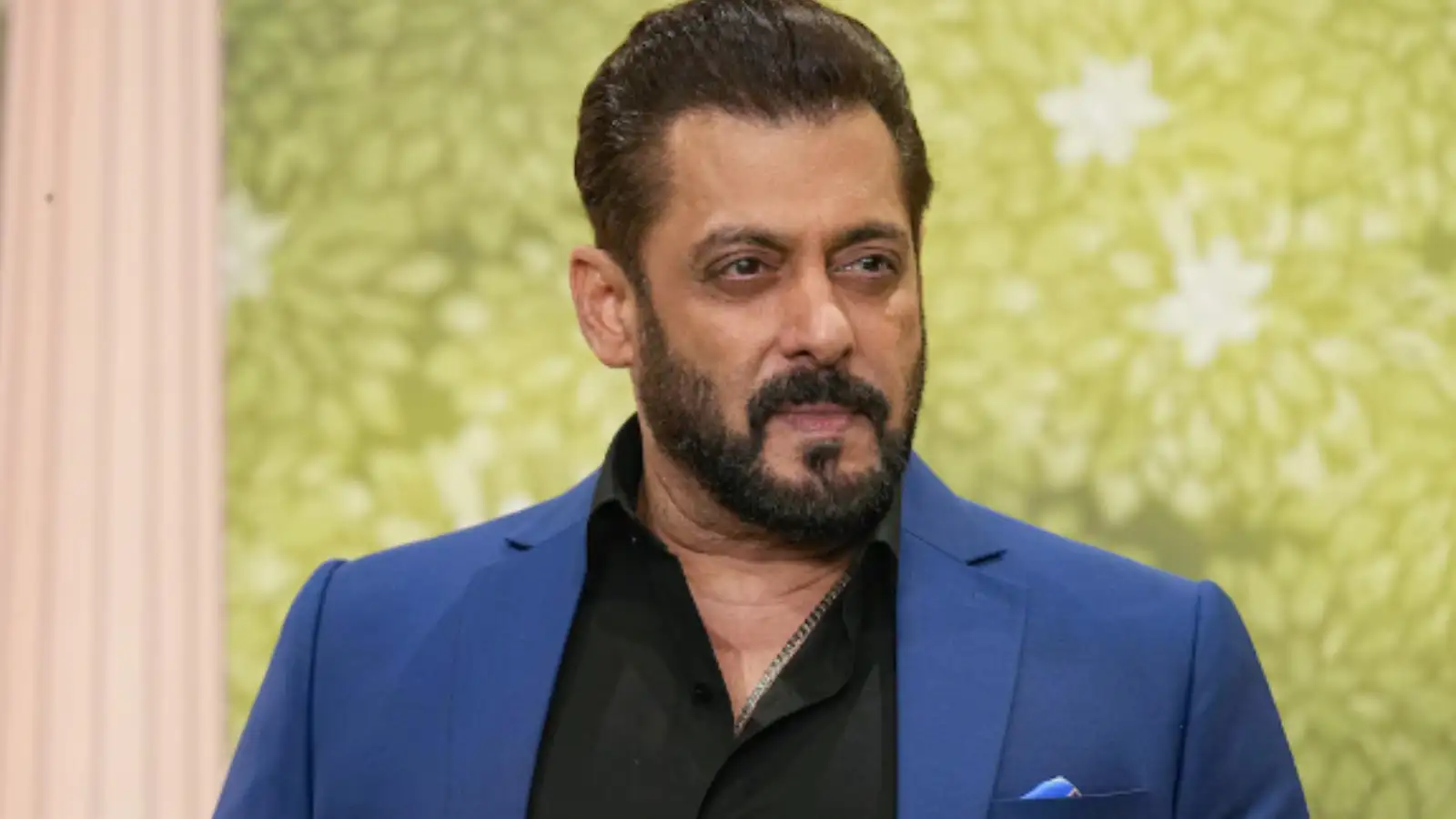
However, Khan's legal team approached the High Court arguing that the neighbor’s digital campaign crossed the line into outright defamation, using inflammatory and communally provocative statements designed to tarnish the actor's reputation. Hearing the matter, Justice Sharmila Deshmukh questioned the underlying intent behind the videos, remarking that simply having access to social media does not entitle anyone to upload content merely to bring disrepute to another person, whether they are a common citizen or a major celebrity.
The court further wondered whether valuable judicial time should be spent reviewing individual internet videos to determine their exact level of virality or defamatory weight. The judge directly suggested that Kakkad consider voluntarily deleting the content from his personal accounts, clarifying that taking down the videos would not weaken or dilute his official legal stance regarding the property itself.
The High Court also noted that even if certain clips have been copied and re-uploaded by independent third parties, the primary parties involved have a responsibility to approach tech intermediaries and platforms to seek their removal. Kakkad's defense counsel has previously argued that the defamation suit was an aggressive corporate tactic by Khan to force him into giving up his fight for his Panvel land.
However, with the High Court demanding a clean boundary between internet rhetoric and courtroom facts, Kakkad's team has been granted time to seek formal instructions regarding the deletion of the posts. The bench has officially scheduled the next comprehensive hearing for July 6, setting a strong precedent for online behavioral accountability during celebrity land disputes.
Slamming the Misuse of Online Platforms
The legal battle stems from a series of highly critical tweets, posts, and YouTube interviews circulated by Kakkad, an NRI property owner. Kakkad has repeatedly alleged that Khan violated numerous environmental norms during the construction of his farmhouse and deliberately blocked public road access to the neighboring plot.However, Khan's legal team approached the High Court arguing that the neighbor’s digital campaign crossed the line into outright defamation, using inflammatory and communally provocative statements designed to tarnish the actor's reputation. Hearing the matter, Justice Sharmila Deshmukh questioned the underlying intent behind the videos, remarking that simply having access to social media does not entitle anyone to upload content merely to bring disrepute to another person, whether they are a common citizen or a major celebrity.
Judicial Wary of Public "Media Trials"
The bench expressed deep dissatisfaction with the concept of an ongoing "trial by media" while formal litigation is actively pending. Justice Deshmukh pointed out that the controversial videos date back to 2019 and 2020, questioning why they remain in active circulation if the true goal was resolving a legitimate land dispute.The court further wondered whether valuable judicial time should be spent reviewing individual internet videos to determine their exact level of virality or defamatory weight. The judge directly suggested that Kakkad consider voluntarily deleting the content from his personal accounts, clarifying that taking down the videos would not weaken or dilute his official legal stance regarding the property itself.
A Firm Stance on Social Media Accountability
The High Court also noted that even if certain clips have been copied and re-uploaded by independent third parties, the primary parties involved have a responsibility to approach tech intermediaries and platforms to seek their removal. Kakkad's defense counsel has previously argued that the defamation suit was an aggressive corporate tactic by Khan to force him into giving up his fight for his Panvel land.However, with the High Court demanding a clean boundary between internet rhetoric and courtroom facts, Kakkad's team has been granted time to seek formal instructions regarding the deletion of the posts. The bench has officially scheduled the next comprehensive hearing for July 6, setting a strong precedent for online behavioral accountability during celebrity land disputes.
Next Story