
'Listen to Their Pain': Diljit Dosanjh Criticizes Handling of NEET Student Protests

Global cultural icon and actor-singer Diljit Dosanjh has stepped forward to address the widespread frustration and angst among thousands of young medical aspirants across India. Speaking out regarding the continuous student protests surrounding the National Eligibility cum Entrance Test (NEET), Dosanjh expressed deep concern over how young scholars are being treated when they attempt to highlight serious exam irregularities, question paper leaks, and administrative lapses. His public statement comes at a crucial moment when student organizations are holding nationwide demonstrations demanding transparency, re-examinations, and strict accountability from testing agencies.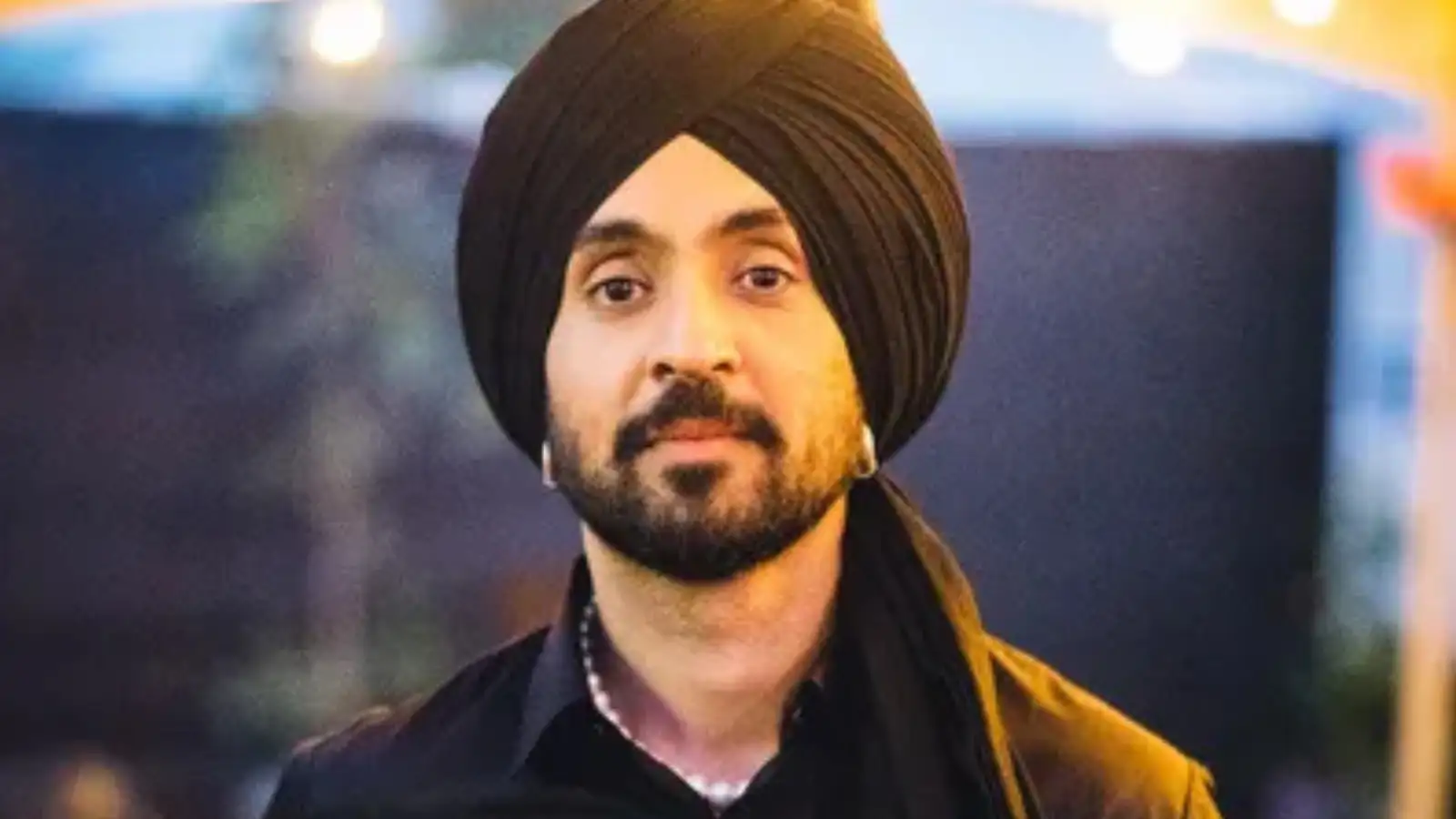
Dosanjh’s decision to speak on the issue has resonated deeply with students, parents, and youth groups across the country. Known for his grounded persona and direct communication style, the artist noted that young people dedicate years of intense labor, financial resources, and emotional energy to prepare for competitive examinations. When those efforts are compromised by systemic mismanagement or corruption, feeling disappointed and demanding answers is a completely natural and justified reaction from aspirants who feel their hard-won dreams are slipping away through no fault of their own.
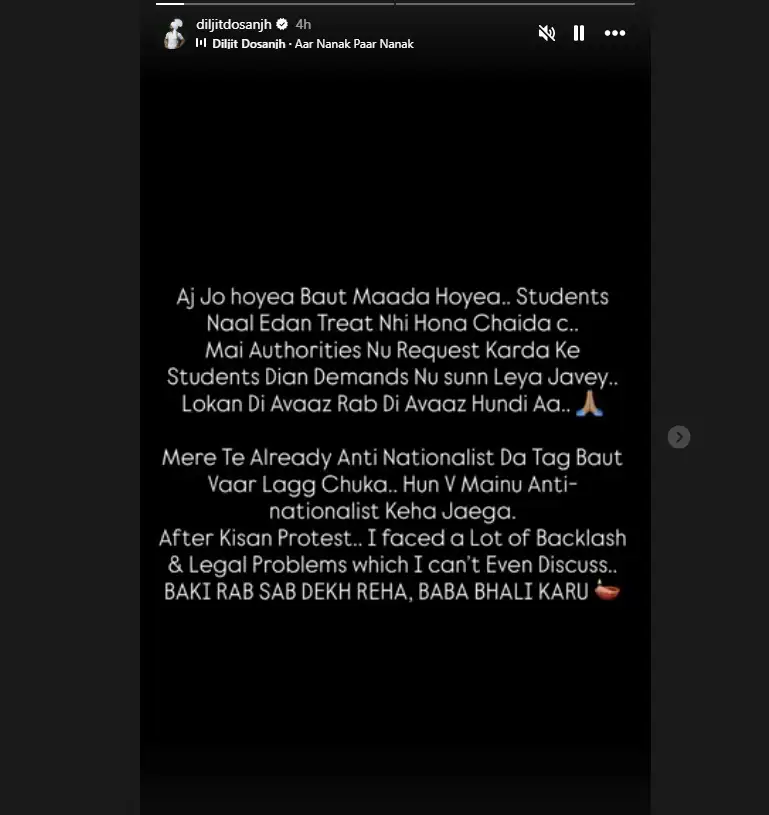
One of the most powerful aspects of Dosanjh's message was his direct criticism of the narrative tactics often used to silence young citizens who assemble to raise grievances. He expressed sharp disapproval over the tendency of certain public figures and commentators to quickly label protesting students as anti-national simply because they assemble peacefully to question administrative institutions. Dosanjh pointed out that asking government bodies or educational boards for fairness and transparency is an essential part of a healthy society, not an act of disloyalty toward the country.
He emphasized that branding young scholars who are fighting for their academic careers with political labels is both unjust and deeply damaging to the nation's democratic spirit. Students who sit in the heat for days on end pleading for fair evaluation are not seeking disruption; they are simply trying to protect their hard-earned futures. Delegitimizing their pain by attaching harmful political tags only deepens public distrust and alienates the very generation that is expected to build, lead, and serve the nation in the coming decades.
The artist called for immediate, concrete measures to restore credibility to the competitive examination framework. These steps include establishing independent review committees, ensuring transparent investigations into paper leaks, and implementing fair policies for affected candidates. Dosanjh highlighted that competitive exams should serve as a meritocratic bridge for hardworking students from all socioeconomic backgrounds. When the integrity of that bridge is damaged, the entire educational ecosystem suffers, making it imperative for authorities to treat student concerns as a urgent national priority rather than a minor routine disturbance.
His outspoken stance serves as a reminder that public figures hold a unique responsibility to support vulnerable communities during times of crisis. When artists speak up on behalf of students, they bridge the gap between grassroots youth struggles and high-level policy discussions. As the debate around national examination security continues to unfold, Dosanjh's message stands as a firm call for justice, dignity, and basic respect for the millions of young minds striving to build a better future through education.
Dosanjh’s decision to speak on the issue has resonated deeply with students, parents, and youth groups across the country. Known for his grounded persona and direct communication style, the artist noted that young people dedicate years of intense labor, financial resources, and emotional energy to prepare for competitive examinations. When those efforts are compromised by systemic mismanagement or corruption, feeling disappointed and demanding answers is a completely natural and justified reaction from aspirants who feel their hard-won dreams are slipping away through no fault of their own.
Rejecting the Harmful 'Anti-National' Label on Student Voices
One of the most powerful aspects of Dosanjh's message was his direct criticism of the narrative tactics often used to silence young citizens who assemble to raise grievances. He expressed sharp disapproval over the tendency of certain public figures and commentators to quickly label protesting students as anti-national simply because they assemble peacefully to question administrative institutions. Dosanjh pointed out that asking government bodies or educational boards for fairness and transparency is an essential part of a healthy society, not an act of disloyalty toward the country.
You may also like
- Swara Bhasker alleges Mumbai Police detained husband Fahad Ahmad during CJP protest at Chaityabhoomi, shares videos online
- Nicole Scherzinger feels 'truly humbled' after performing at FIFA World Cup final
- Who was John Kirby? Actor, acting coach dies at 75
- 'Ramayana' comic book unveils Kapoor as Ram, Pallavi as Sita
- Menon alleges AMMA 'power group' humiliated her, sought personal gain
He emphasized that branding young scholars who are fighting for their academic careers with political labels is both unjust and deeply damaging to the nation's democratic spirit. Students who sit in the heat for days on end pleading for fair evaluation are not seeking disruption; they are simply trying to protect their hard-earned futures. Delegitimizing their pain by attaching harmful political tags only deepens public distrust and alienates the very generation that is expected to build, lead, and serve the nation in the coming decades.
A Call for Empathy, Transparency, and Systematic Educational Reform
Beyond defending the right of students to assemble, Dosanjh urged educational ministers, administrative boards, and governmental authorities to abandon rigid, defensive postures and engage directly with student delegations. He argued that the primary responsibility of leadership during an academic crisis is to listen patiently, acknowledge mistakes when they occur, and work collaboratively with affected communities to rebuild lost trust. True leadership, he noted, involves extending compassion and demonstrating a genuine commitment to reform rather than deploying heavy-handed security measures against young citizens.The artist called for immediate, concrete measures to restore credibility to the competitive examination framework. These steps include establishing independent review committees, ensuring transparent investigations into paper leaks, and implementing fair policies for affected candidates. Dosanjh highlighted that competitive exams should serve as a meritocratic bridge for hardworking students from all socioeconomic backgrounds. When the integrity of that bridge is damaged, the entire educational ecosystem suffers, making it imperative for authorities to treat student concerns as a urgent national priority rather than a minor routine disturbance.
The Growing Role of Cultural Icons in Youth Advocacy
Dosanjh’s intervention highlights a broader trend where mainstream cultural icons and global artists are increasingly using their massive platforms to spotlight critical social, educational, and civic issues. In an era where digital media allows information to spread instantly, celebrity endorsements serve as a powerful force multiplier for student movements that might otherwise be ignored or sidelined by mainstream administrative narratives. By aligning his voice with the NEET aspirants, Dosanjh has ensured that the plight of medical candidates remains at the forefront of national public discourse.His outspoken stance serves as a reminder that public figures hold a unique responsibility to support vulnerable communities during times of crisis. When artists speak up on behalf of students, they bridge the gap between grassroots youth struggles and high-level policy discussions. As the debate around national examination security continues to unfold, Dosanjh's message stands as a firm call for justice, dignity, and basic respect for the millions of young minds striving to build a better future through education.






Loving Newspoint? Download the app now
