
From Myth to Destination: Real-Life Places Behind Christopher Nolan's The Odyssey

The enduring legacy of Homer's ancient epic continues to captivate audiences, now renewed through the cinematic vision of Christopher Nolan. Beyond the silver screen, the world of The Odyssey is rooted in tangible geographic history. Travelers looking to experience the myth firsthand can venture to five remarkable real-world destinations across the Mediterranean, where ancient ruins and dramatic landscapes bring the legendary voyage of Odysseus to life.
The island of Ithaca, known locally as Ithaki, serves as Odysseus’ home and the emotional anchor for his long ten-year journey. Rugged and steeped in ancient history, this quiet Greek island features remarkable sites for history enthusiasts. Visitors can explore the School of Homer, a potential site for Odysseus' ancient palace, admire a detailed model of the palace created by Italian architect Bruno Mazzali, or view the ancient clay mask inscribed with "prayer to Odysseus" at the local archaeological museum.
Located in the southwestern Peloponnese, the Messenia region provides the backdrop where Telemachus seeks news of his missing father. The area features dramatic coastal landscapes and well-preserved Bronze Age sites. Key highlights for travelers include exploring the ancient Palace of Nestor, hiking to Nestor's Cave, or swimming in the famous horseshoe-shaped Voidokilia Bay.
The epic journey originates in the legendary city of Troy, situated in modern-day Hisarlik in northwestern Turkey. Identified as ancient Ilium since at least the seventh century BCE, this UNESCO World Heritage Site offers visitors an incredible look into layered archaeological excavations. Exploring the ancient stone walls, ruins, and the dedicated on-site museum provides a deep connection to the Homeric conflict.
Located approximately 18 kilometers off the western coast of Sicily, the island of Favignana is linked to one of the most famous episodes in The Odyssey. Scholars identify it as the "goat island" where Odysseus made landfall to resupply after his encounter with the Cyclops Polyphemus. Known for its crystal-clear turquoise waters, quiet fishing villages, and relaxed atmosphere, it offers a tranquil retreat for modern travelers.
Situated in the central Mediterranean, the Maltese archipelago has long been associated with Ogygia, the mythical island where the nymph Calypso held Odysseus captive. Beyond its connection to Greek mythology, Malta features prehistoric megalithic temples, coastal fortresses, and the subterranean Ħal Saflieni Hypogeum dating back to 4000 BC, making it a rich cultural destination.
Whether retracing the hero's path through the sun-drenched Greek islands or standing before the ancient stone ramparts of Troy, visiting these five iconic locations offers a rare blend of legend, history, and cinematic wonder. As Christopher Nolan's adaptation brings this timeless narrative to modern audiences, exploring these real-world settings provides an unforgettable opportunity to connect with one of humanity's greatest stories firsthand.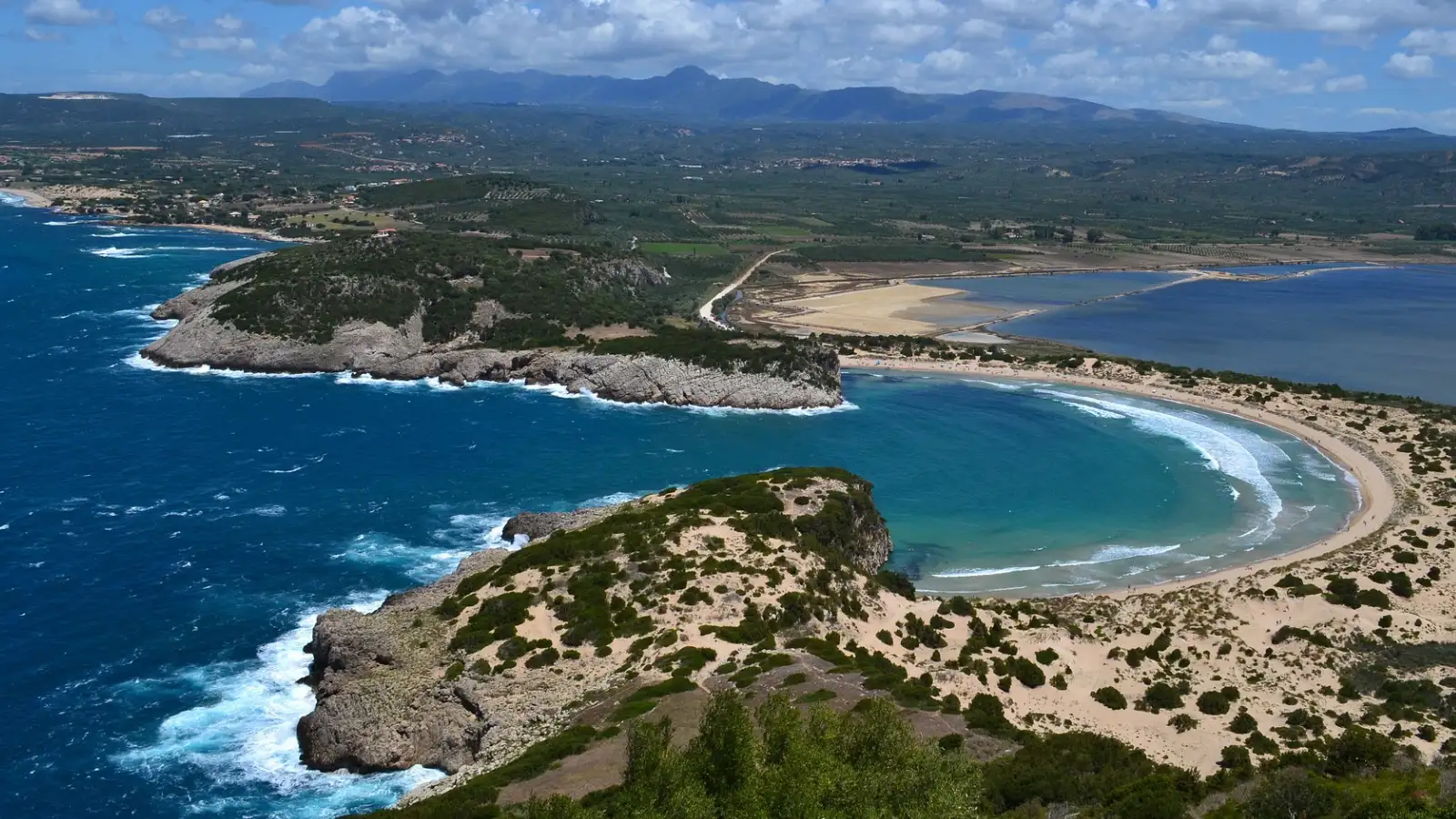
1. Ithaca, Greece: The Eternal Home
The island of Ithaca, known locally as Ithaki, serves as Odysseus’ home and the emotional anchor for his long ten-year journey. Rugged and steeped in ancient history, this quiet Greek island features remarkable sites for history enthusiasts. Visitors can explore the School of Homer, a potential site for Odysseus' ancient palace, admire a detailed model of the palace created by Italian architect Bruno Mazzali, or view the ancient clay mask inscribed with "prayer to Odysseus" at the local archaeological museum.
2. Messenia, Peloponnese, Greece: Land of Telemachus
Located in the southwestern Peloponnese, the Messenia region provides the backdrop where Telemachus seeks news of his missing father. The area features dramatic coastal landscapes and well-preserved Bronze Age sites. Key highlights for travelers include exploring the ancient Palace of Nestor, hiking to Nestor's Cave, or swimming in the famous horseshoe-shaped Voidokilia Bay.
3. Troy (Hisarlik), Turkey: Where the Odyssey Begins
The epic journey originates in the legendary city of Troy, situated in modern-day Hisarlik in northwestern Turkey. Identified as ancient Ilium since at least the seventh century BCE, this UNESCO World Heritage Site offers visitors an incredible look into layered archaeological excavations. Exploring the ancient stone walls, ruins, and the dedicated on-site museum provides a deep connection to the Homeric conflict.
4. Favignana, Egadi Islands, Italy: The Isle of the Cyclops
Located approximately 18 kilometers off the western coast of Sicily, the island of Favignana is linked to one of the most famous episodes in The Odyssey. Scholars identify it as the "goat island" where Odysseus made landfall to resupply after his encounter with the Cyclops Polyphemus. Known for its crystal-clear turquoise waters, quiet fishing villages, and relaxed atmosphere, it offers a tranquil retreat for modern travelers.
5. Malta: The Island of Calypso
Situated in the central Mediterranean, the Maltese archipelago has long been associated with Ogygia, the mythical island where the nymph Calypso held Odysseus captive. Beyond its connection to Greek mythology, Malta features prehistoric megalithic temples, coastal fortresses, and the subterranean Ħal Saflieni Hypogeum dating back to 4000 BC, making it a rich cultural destination.
Connecting Myth and Reality
Whether retracing the hero's path through the sun-drenched Greek islands or standing before the ancient stone ramparts of Troy, visiting these five iconic locations offers a rare blend of legend, history, and cinematic wonder. As Christopher Nolan's adaptation brings this timeless narrative to modern audiences, exploring these real-world settings provides an unforgettable opportunity to connect with one of humanity's greatest stories firsthand.
Next Story