
Why Boruto Is Better Than Fans Think

Over its ten years of publication, Boruto has proven incredibly divisive for Naruto 's fanbase, but it's much stronger than many fans think. 2026 is proving to be a promising year for the original series, with details finally materialising around Naruto's long-awaited return in 2027. Naturally, after a few difficult years, the wait is excruciating to see more of the iconic shōnen that defined countless childhoods and that lives in the hearts of untold anime fans.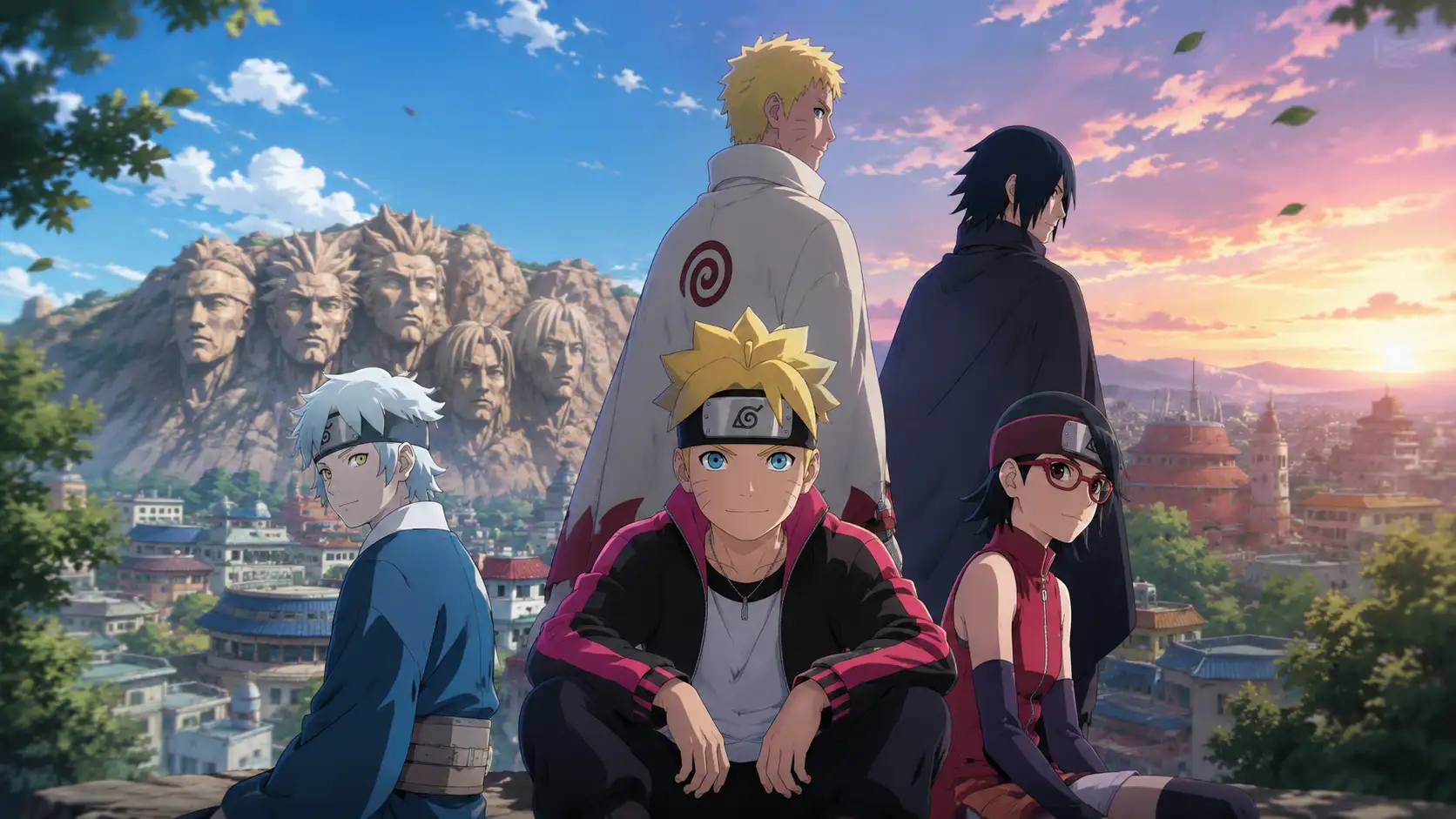
When it comes to bridging the gap until then, Naruto fans have plenty of manga to choose from to scratch the itch. However, the irony is that the best way to fill the gap is by going directly to its sequel.
The fact is that Boruto is incredibly good on its own terms. While many Naruto fans have misgivings about it, many of those misgivings are simply misguided or misinformed. From the franchise's tightest storytelling in many years to a cast comprising some of its most compelling characters yet, Boruto is already a fantastic series with nowhere to go but up.
Suppose one wants to create a sequel after an ending like Naruto's. There are basically two choices: the first is to find a way to basically retcon the massively consequential Otsutsuki clan out of existence; the second is to keep rolling with that foundation and look for how to make the clan work. Boruto decided to do the latter, and it does it well.
Boruto handles this in a peculiar way, by taking advantage of the sequel's time-skip and new antagonists to essentially adapt to the absurd chakra output of later Naruto. Two examples that many people misunderstand from afar are scientific ninja tools and chakra absorption. Each serves to level the playing field, in a manner of speaking while everybody can be quite strong, and is quite strong, it's no longer strength and chakra reserves alone that decide the outcome of a fight.
Instead, Boruto revives Naruto's emphasis on strategy and meticulous planning to win battles. In combination with battles that reach a new level of high risk and reward, the combat feels weighty. At the same time, heroes and villains alike are able to feel imposing and even overpowered while still feeling finitely beatable. Generally, even the strongest powers are given grounded caveats and conceits that make them feel both grounded (by Boruto's standards) and vulnerable. The end result is battles whose biggest moments feel properly earned.
When it comes to bridging the gap until then, Naruto fans have plenty of manga to choose from to scratch the itch. However, the irony is that the best way to fill the gap is by going directly to its sequel.
The fact is that Boruto is incredibly good on its own terms. While many Naruto fans have misgivings about it, many of those misgivings are simply misguided or misinformed. From the franchise's tightest storytelling in many years to a cast comprising some of its most compelling characters yet, Boruto is already a fantastic series with nowhere to go but up.
You may also like
- Saif reveals why he was offered 'Omkara's Langda Tyagi
- 'Batwara 1947' team to kick off 12-city promotional tour
- Hyena vs wolf: Strength, intelligence, hunting ability and the fight for survival between two apex predators
- Prabhas's 'Fauzi' set to become one of India's costliest films
- Katrina Kaif celebrates 43rd birthday with heartfelt wishes from Bollywood friends Kareena Kapoor, Sonam Kapoor and Rakul Preet Singh
Boruto Makes Naruto's Controversial Ending Work
To start: Naruto has one of the most infamous endings in anime history. The most significant problem is the sudden introduction of the Otsutsuki clan , which at the time seemed to be a bizarre sci-fi excursion for a series which had so far been grounded in a refined set of mechanics however faulty in places. Naruto closed the Fourth Great Ninja War with a number of brand-new ideas that seemingly had few places to go.Suppose one wants to create a sequel after an ending like Naruto's. There are basically two choices: the first is to find a way to basically retcon the massively consequential Otsutsuki clan out of existence; the second is to keep rolling with that foundation and look for how to make the clan work. Boruto decided to do the latter, and it does it well.
Boruto resets Naruto’s power scaling problems
Madara is undoubtedly one of anime's best villains of all time, but by the time he appeared in Naruto, the book was basically closed on the series' power-scaling. Even freshly reincarnated, Madara was a force to be reckoned with; by the time he obtained the Ten-Tails, he represented a wall that was only really surmountable by, well, a villain like Kaguya.Boruto handles this in a peculiar way, by taking advantage of the sequel's time-skip and new antagonists to essentially adapt to the absurd chakra output of later Naruto. Two examples that many people misunderstand from afar are scientific ninja tools and chakra absorption. Each serves to level the playing field, in a manner of speaking while everybody can be quite strong, and is quite strong, it's no longer strength and chakra reserves alone that decide the outcome of a fight.
Instead, Boruto revives Naruto's emphasis on strategy and meticulous planning to win battles. In combination with battles that reach a new level of high risk and reward, the combat feels weighty. At the same time, heroes and villains alike are able to feel imposing and even overpowered while still feeling finitely beatable. Generally, even the strongest powers are given grounded caveats and conceits that make them feel both grounded (by Boruto's standards) and vulnerable. The end result is battles whose biggest moments feel properly earned.






Loving Newspoint? Download the app now
