
Zeenat Aman Defends Live-In Relationships Before Marriage, Says Couples Should Test Compatibility First

Zeenat Aman has spent decades as a trailblazer in Indian popular culture, seamlessly shifting from her status as cinema's ultimate modern heroine to a sharp digital voice. However, her modern relationship philosophies continue to generate intense discussions within traditional frameworks. Reaffirming her stance during an appearance on the YouTube talk show Flip The Script With Shubra, the 74-year-old actress proudly doubled down on her public recommendation that couples should live together prior to marriage.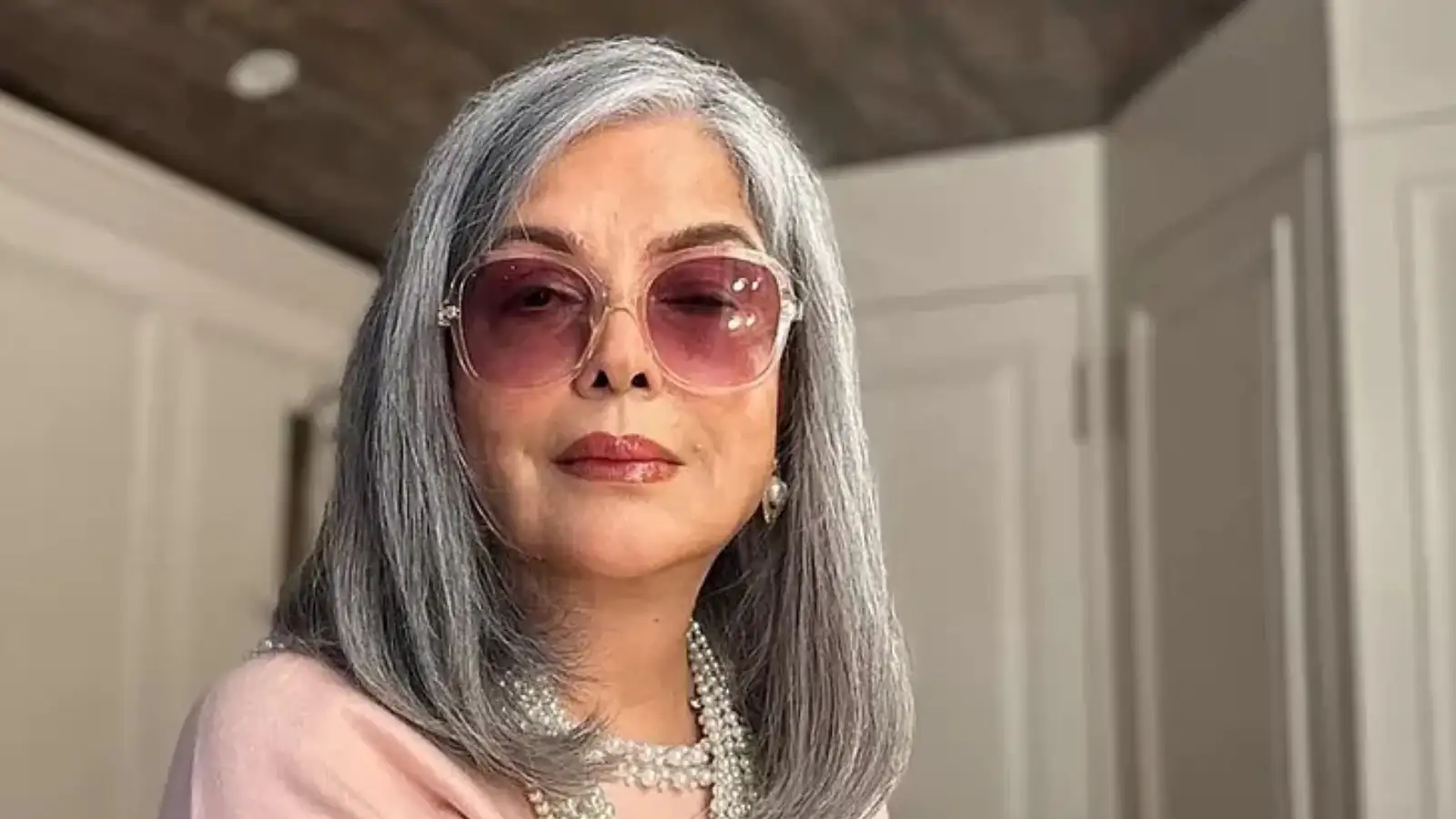
The conversation serves as a continuation of a massive public debate sparked by her original viral Instagram post . At the time, Zeenat had logically outlined that stepping into shared living quarters is the ultimate trial by fire for any relationship. While anyone can put on an ideal, polite performance for a few hours on a dinner date, she noted that true compatibility lies in managing the unglamorous minutiae of daily life sharing bathroom spaces, weathering sudden mood swings, compromising on mundane dinner selections, and resolving a constant loop of domestic conflicts.
Having lived through the immense emotional toll of navigating fractured, long-term marital obligations, Zeenat views cohabitation as a logical safeguard against enduring unhappiness. She firmly pointed out that the infatuation-driven honeymoon phase eventually transitions into a baseline reality that demands constant adjustment, give-and-take, and heavy compromise.
By actively encouraging her own sons to explore live-in relationships before making legal vows, the icon is advocating for an honest shift away from social pretension. Her ongoing defense of the practice serves as a direct reminder that institutional preservation should never take priority over individual emotional peace and safety.
The conversation serves as a continuation of a massive public debate sparked by her original viral Instagram post . At the time, Zeenat had logically outlined that stepping into shared living quarters is the ultimate trial by fire for any relationship. While anyone can put on an ideal, polite performance for a few hours on a dinner date, she noted that true compatibility lies in managing the unglamorous minutiae of daily life sharing bathroom spaces, weathering sudden mood swings, compromising on mundane dinner selections, and resolving a constant loop of domestic conflicts.
Brushing Aside Contemporary Criticism
Her progressive advice did not sit well with several of her cinematic contemporaries, pulling older generational rifts into the modern limelight. Notable vintage icons like Saira Banu and Mumtaz publicly chided her remarks. Saira Banu had openly criticized Zeenat, suggesting her statements were merely an attempt to cater to social media algorithms as a "cool aunty" and argued that such advice ran counter to foundational moral values. Mumtaz had similarly weaponized Zeenat's personal history, noting that her own marriages had been deeply troubled despite her knowing her partners beforehand.You may also like
- Who is Cara Delevingne? All about the supermodel who dated Johnny Depp's ex, Amber Heard
- Kevin Spacey 'felt attacked' by the gay community
- 'Indian ice golas are made using leftover ice from post-mortem rooms': Viral claim shocks internet, many question it
- Alpha Box Office Day 1: Will Alia Bhatt, Sharvari, & Bobby Deol's Film Hit 12 Crore Opening To Enter Top 10 Spy Thriller Openers Of Hindi Cinema?
- Alia Bhatt reveals Samay Raina had her laughing so much that even her smartwatch got confused
Lessons Borne Out of Real-World Scars
Far from offering idealized, trendy advice to build a following, Zeenat’s real-world pragmatism is informed by deep personal pain. The actress's past marital history is well-documented; her brief union with Sanjay Khan famously dissolved amidst severe allegations of physical abuse, leaving her with a permanent injury to her eye. Her subsequent marriage to actor Mazhar Khan was similarly plagued by reported infidelity, emotional distress, and isolation until his passing.Having lived through the immense emotional toll of navigating fractured, long-term marital obligations, Zeenat views cohabitation as a logical safeguard against enduring unhappiness. She firmly pointed out that the infatuation-driven honeymoon phase eventually transitions into a baseline reality that demands constant adjustment, give-and-take, and heavy compromise.
By actively encouraging her own sons to explore live-in relationships before making legal vows, the icon is advocating for an honest shift away from social pretension. Her ongoing defense of the practice serves as a direct reminder that institutional preservation should never take priority over individual emotional peace and safety.






More from our partners


Loving Newspoint? Download the app now
