
Top 10 Hottest Places in India Today: What Travellers Must Know Before Visiting

The annual Indian summer has officially reached its absolute peak, blanketing multiple states in a severe heatwave that shows no immediate signs of slowing down. Across north, central, and western regions, vast stretches of land are experiencing scorching conditions as the sun beats down relentlessly on urban concrete and rural landscapes alike.
According to the India Meteorological Department (IMD), daily measurements are regularly crossing the 45°C benchmark, turning casual outdoor movement into a serious health risk. While many of these scorching zones house incredible heritage spots, wildlife reserves, and spiritual sites, entering them right now requires extreme caution. Reviewing the 10 hottest places in India today and things travellers should know allows seasonal vacationers to alter their itineraries and protect their physical well-being.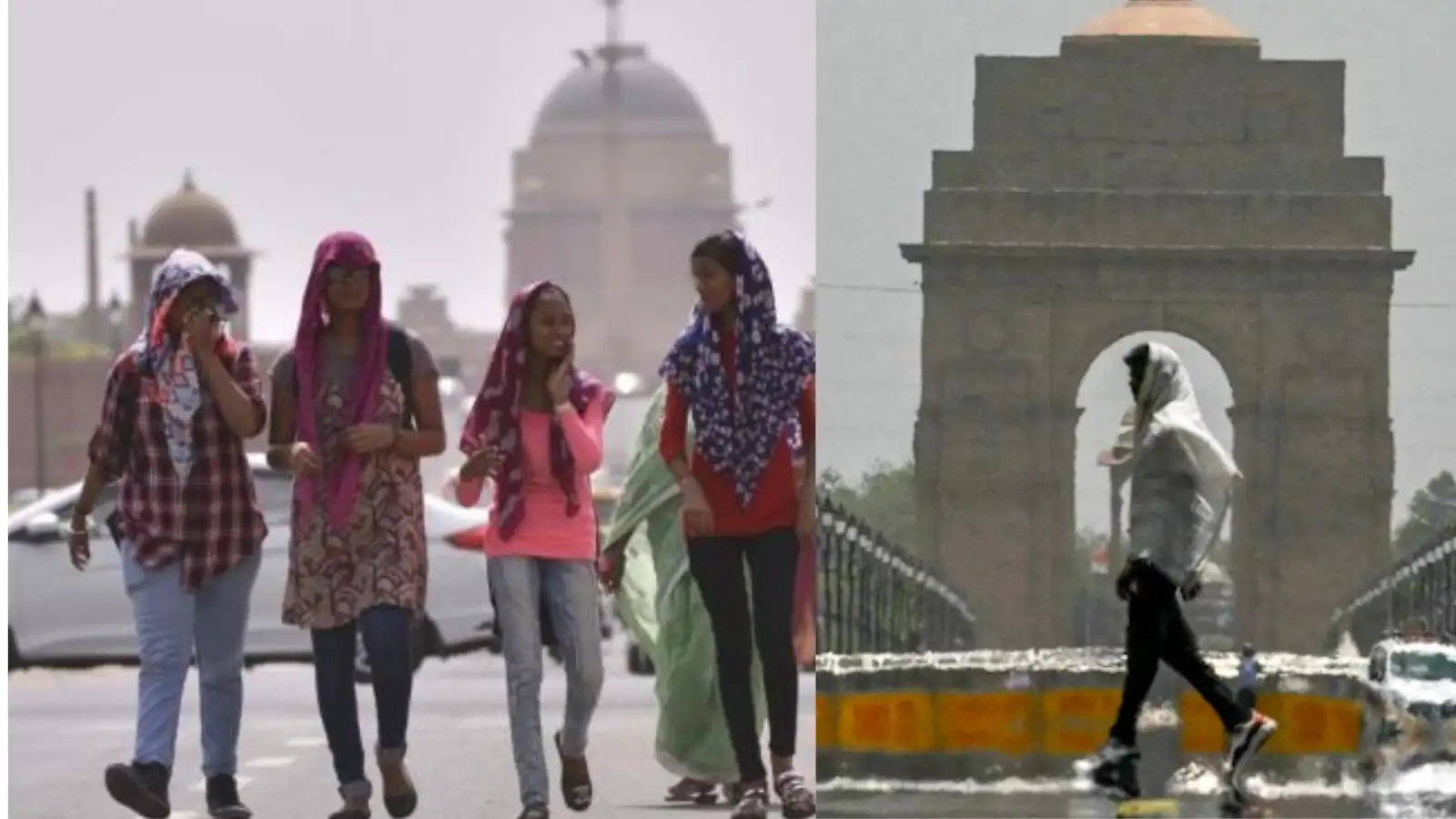
At the absolute top of the country's temperature charts sits the town of Banda in Uttar Pradesh’s Bundelkhand region, which has recorded a jaw-dropping maximum temperature of 48°C. Located close to the Ken River, the town is currently experiencing a brutal combination of high ambient heat and dry, dusty winds. Close behind on this dangerous list is the heritage town of Khajuraho in Madhya Pradesh, where temperatures have hit a staggering 47.4°C.
The relentless heat corridor extends deeply into neighboring states as well, creating hazardous conditions for long-distance commuters and highway road-trippers. Rohtak in Haryana has touched a blistering 46.9°C, where the extreme weather is heavily accompanied by the "loo", the infamous, fast-moving hot wind of the Indo-Gangetic plain that can incapacitate a person through heatstroke almost instantly. Meanwhile, the industrial hub of Nowgong in Madhya Pradesh is dealing with 46.6°C weather, and the border town of Sri Ganganagar in Rajasthan is registering 46.5°C. Because Sri Ganganagar functions as a major agricultural and transit hub near the desert, the lack of immediate green cover means the ground heat radiates with immense intensity throughout the daylight hours.
If you absolutely must travel through or visit these highly affected zones over the coming weeks, a few non-negotiable safety adjustments are necessary to prevent medical emergencies. First and foremost, you must completely avoid outdoor movement during the peak ultraviolet window between 12:00 pm and 4:00 pm. If you are exploring architectural marvels or spiritual shrines, structure your walks around sunrise when the air is still relatively manageable.
Ultimately, navigating an intense subcontinent heatwave requires a complete shift in travel mindset, where personal health must always take precedence over a packed sightseeing itinerary. It is crucial to remember that heat-related illnesses can escalate from mild fatigue to a severe medical emergency within a matter of minutes if ignored. By staying highly adaptable, listening carefully to your body, and strictly respecting the extreme afternoon temperatures, you can still experience India’s magnificent cultural heritage without compromising your safety.
According to the India Meteorological Department (IMD), daily measurements are regularly crossing the 45°C benchmark, turning casual outdoor movement into a serious health risk. While many of these scorching zones house incredible heritage spots, wildlife reserves, and spiritual sites, entering them right now requires extreme caution. Reviewing the 10 hottest places in India today and things travellers should know allows seasonal vacationers to alter their itineraries and protect their physical well-being.
The Epicentre of the Heatwave
At the absolute top of the country's temperature charts sits the town of Banda in Uttar Pradesh’s Bundelkhand region, which has recorded a jaw-dropping maximum temperature of 48°C. Located close to the Ken River, the town is currently experiencing a brutal combination of high ambient heat and dry, dusty winds. Close behind on this dangerous list is the heritage town of Khajuraho in Madhya Pradesh, where temperatures have hit a staggering 47.4°C.
- The Tourist Dilemma: Exploring the historic, UNESCO-listed Khajuraho Group of Monuments under these intense conditions can lead to rapid physical exhaustion within minutes.
- The Safari Routes: Similarly, Maharashtra's wildlife corridors are sizzling, with Wardha tracking at 47.1°C, Nagpur hitting 46.6°C, and Amravati following at 46.4°C. For nature enthusiasts, these numbers mean that afternoon open-jeep safaris into the Melghat or central tiger reserves can quickly turn dangerous.
Highways, Deserts, and Industrial Belts
The relentless heat corridor extends deeply into neighboring states as well, creating hazardous conditions for long-distance commuters and highway road-trippers. Rohtak in Haryana has touched a blistering 46.9°C, where the extreme weather is heavily accompanied by the "loo", the infamous, fast-moving hot wind of the Indo-Gangetic plain that can incapacitate a person through heatstroke almost instantly. Meanwhile, the industrial hub of Nowgong in Madhya Pradesh is dealing with 46.6°C weather, and the border town of Sri Ganganagar in Rajasthan is registering 46.5°C. Because Sri Ganganagar functions as a major agricultural and transit hub near the desert, the lack of immediate green cover means the ground heat radiates with immense intensity throughout the daylight hours.
You may also like
- Rajya Sabha Polls 2026: Election commission annocunces date for Upper House elections
- From 'Metro' to 'Metropolis': A vision for integrated governance, ecosystem building
- West Bengal CM Suvendu Adhikari meets Rajnath Singh in Delhi
- "Height of incivility": TVK slams DMK's A Raja over "bent coconut tree" jibe
- "Acting like in movies alone is not enough": DMK MLA Anitha Radhakrishnan on women's safety in TN
Essential Protocols for the Modern Nomad
If you absolutely must travel through or visit these highly affected zones over the coming weeks, a few non-negotiable safety adjustments are necessary to prevent medical emergencies. First and foremost, you must completely avoid outdoor movement during the peak ultraviolet window between 12:00 pm and 4:00 pm. If you are exploring architectural marvels or spiritual shrines, structure your walks around sunrise when the air is still relatively manageable.
- The Packing List: Ensure your suitcase is packed exclusively with loose, light-coloured cotton clothing that allows your skin to breathe naturally.
- The Hydration Strategy: Carrying plain water is no longer sufficient; travellers must carry rehydration salts (ORS), glucose powders, and insulated flasks to maintain electrolyte balances. Additionally, high-SPF sunscreen, broad-brimmed umbrellas, and heavy-duty sunglasses are vital to block out the high UV indexes radiating across the
Prioritizing Health Over Sightseeing
Ultimately, navigating an intense subcontinent heatwave requires a complete shift in travel mindset, where personal health must always take precedence over a packed sightseeing itinerary. It is crucial to remember that heat-related illnesses can escalate from mild fatigue to a severe medical emergency within a matter of minutes if ignored. By staying highly adaptable, listening carefully to your body, and strictly respecting the extreme afternoon temperatures, you can still experience India’s magnificent cultural heritage without compromising your safety.






More from our partners


Loving Newspoint? Download the app now
