
Ayushman Bharat Yojana 2026: ₹10 Lakh Health Insurance Cover Proposal, Benefits, Eligibility And Latest Updates

India's flagship public health insurance scheme , the Ayushman Bharat Pradhan Mantri Jan Arogya Yojana ( AB-PMJAY ), continues to redefine the landscape of affordable healthcare across the nation. Functioning as the world’s largest publicly funded healthcare initiative, the scheme provides an invaluable safety net for hundreds of millions of economically vulnerable citizens.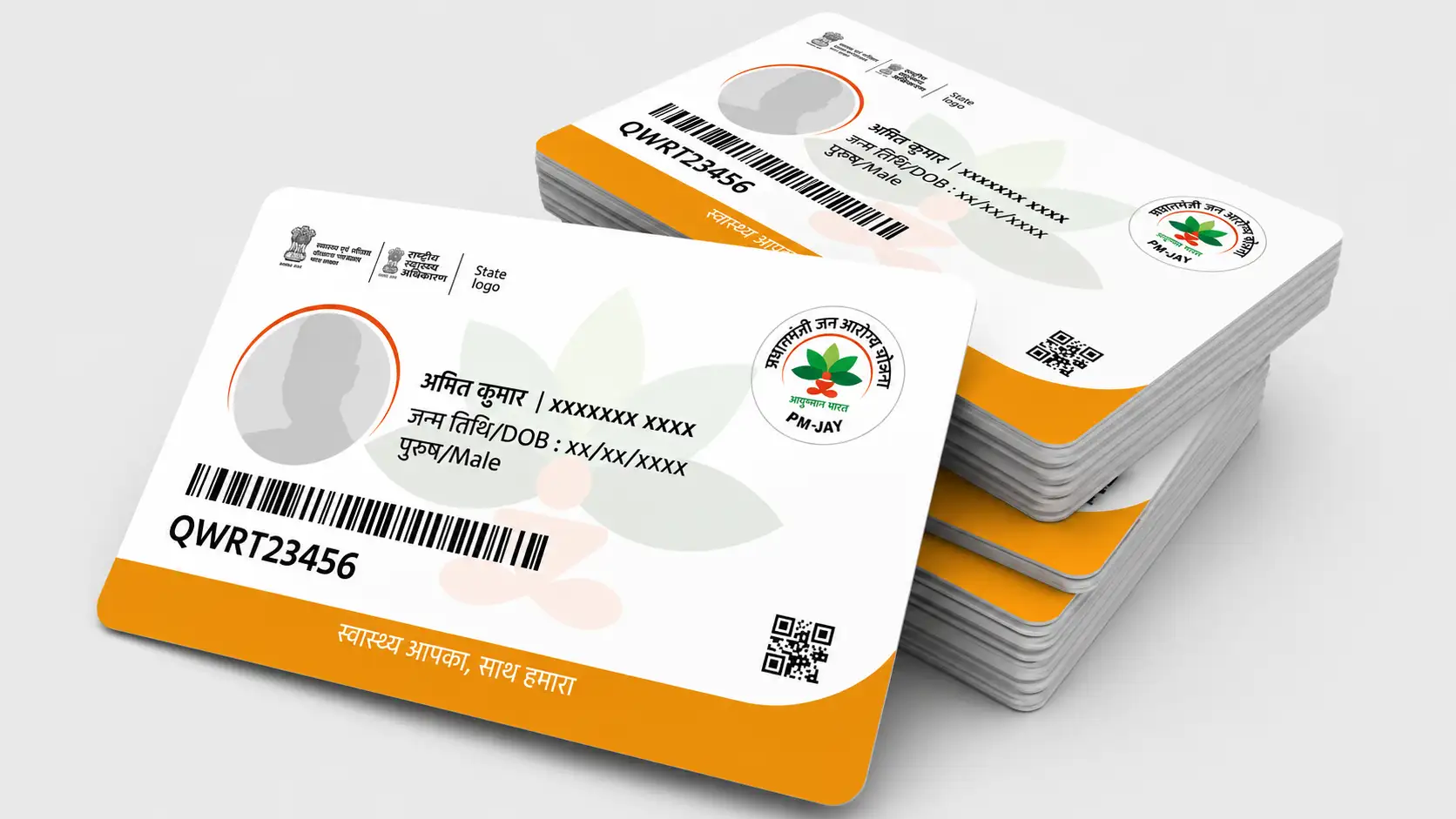
As the program navigates through 2026, major policy shifts including a groundbreaking parliamentary proposal to double the coverage limit are poised to significantly upgrade the financial protection offered to families nationwide.
Understanding the Landmark ₹10 Lakh Proposal
The most notable development for the scheme in 2026 is the official recommendation by the Parliamentary Standing Committee on Health and Family Welfare to double the health insurance cover . In its 172nd Report submitted in July 2026, the legislative panel strongly urged the Union Government to increase the annual health coverage ceiling from the long-standing ₹5 lakh to ₹10 lakh per family.
The rationale behind this ambitious proposal stems from the escalating costs of advanced medical science. The committee observed that while the existing ₹5 lakh cap effectively covers routine secondary hospitalisation, it falls frustratingly short when patients require complex, life-saving tertiary care. Advanced treatments - such as liver and kidney transplants, complex cardiac surgeries, and modern cancer immunotherapy - frequently exceed the current financial threshold, leaving vulnerable patients facing steep out-of-pocket expenses.
If accepted and formally approved by the Union Cabinet, this enhancement will introduce a differential cost model and special high-cost packages. These will be funded through pooled resources and co-funding mechanisms with state governments, ensuring that top-tier healthcare does not mean financial ruin for India's poor.
Core Scheme Benefits and Coverage Features
Even before the implementation of the proposed expansion, AB-PMJAY offers a robust array of features designed to eliminate financial barriers at the point of care:
Eligibility Criteria: Who Qualifies?
AB-PMJAY is structured as an entitlement-based scheme. This means there is no complex registration form or entry fee; instead, eligibility is pre-determined using demographic data from the Socio-Economic Caste Census (SECC).
Exclusions: Who is Omitted?
To ensure the resources strictly target those in genuine need, certain individuals are structurally excluded from the scheme. Disqualifying factors include owning a motorised vehicle (two, three, or four-wheelers), possessing mechanised farming equipment, being a government employee, owning a refrigerator or landline, or earning a monthly household income that exceeds ₹10,000.
As the program navigates through 2026, major policy shifts including a groundbreaking parliamentary proposal to double the coverage limit are poised to significantly upgrade the financial protection offered to families nationwide.
Understanding the Landmark ₹10 Lakh Proposal
The most notable development for the scheme in 2026 is the official recommendation by the Parliamentary Standing Committee on Health and Family Welfare to double the health insurance cover . In its 172nd Report submitted in July 2026, the legislative panel strongly urged the Union Government to increase the annual health coverage ceiling from the long-standing ₹5 lakh to ₹10 lakh per family.
The rationale behind this ambitious proposal stems from the escalating costs of advanced medical science. The committee observed that while the existing ₹5 lakh cap effectively covers routine secondary hospitalisation, it falls frustratingly short when patients require complex, life-saving tertiary care. Advanced treatments - such as liver and kidney transplants, complex cardiac surgeries, and modern cancer immunotherapy - frequently exceed the current financial threshold, leaving vulnerable patients facing steep out-of-pocket expenses.
If accepted and formally approved by the Union Cabinet, this enhancement will introduce a differential cost model and special high-cost packages. These will be funded through pooled resources and co-funding mechanisms with state governments, ensuring that top-tier healthcare does not mean financial ruin for India's poor.
Core Scheme Benefits and Coverage Features
Even before the implementation of the proposed expansion, AB-PMJAY offers a robust array of features designed to eliminate financial barriers at the point of care:
- Cashless and Paperless Care: Beneficiaries can walk into any empanelled public or private hospital across India and receive completely cashless treatment.
- Pre-Existing Disease Coverage: Unlike standard commercial health insurance policies, all pre-existing medical conditions are covered from day one without any waiting periods.
- Comprehensive Care Timeline: The scheme covers up to 3 days of pre-hospitalisation costs (such as diagnostic tests and consultation fees) and 15 days of post-hospitalisation expenses, including prescribed medications and follow-up care.
- No Cap on Family Dynamics: To ensure comprehensive social protection, there are absolutely no restrictions on family size, age, or gender.
Eligibility Criteria: Who Qualifies?
You may also like
- Badrinath Dham funds misappropriation case: SIT questions top officials
- SC orders separate space near MP's Bhojshala for Friday namaz between 1pm and 3pm
- Zeenat Aman voices support for Sonam Wangchuk amid hunger strike, urges Centre to hold talks
- 'Both vessels carried 30 Indian seafarers': MEA strongly condemns attack on ship in Strait of Hormuz that killed sailor
- Export diversification fuels textile sector resilience;India ready to compete globally:Giriraj Singh
AB-PMJAY is structured as an entitlement-based scheme. This means there is no complex registration form or entry fee; instead, eligibility is pre-determined using demographic data from the Socio-Economic Caste Census (SECC).
Rural Beneficiaries
In rural sectors, eligibility hinges on specific markers of deprivation, including:- Households living in single-room dwellings built with temporary (kucha) walls and roofs.
- Families with no adult members or no adult male members aged between 16 and 59.
- Landless households that rely primarily on manual casual labour for their livelihoods.
- Scheduled Caste (SC) and Scheduled Tribe (ST) households.
Urban Beneficiaries
In urban centres, eligibility is classified across specified occupational categories, targeting informal workers such as:- Domestic helpers, sweepers, and sanitation workers.
- Street vendors, hawkers, and cobblers.
- Transport workers, including rickshaw pullers, drivers, and conductors.
- Construction labourers, painters, masons, and security guards.
Exclusions: Who is Omitted?
To ensure the resources strictly target those in genuine need, certain individuals are structurally excluded from the scheme. Disqualifying factors include owning a motorised vehicle (two, three, or four-wheelers), possessing mechanised farming equipment, being a government employee, owning a refrigerator or landline, or earning a monthly household income that exceeds ₹10,000.
Looking Ahead
With over 43 crore Ayushman Cards issued and upwards of 11 crore hospital admissions recorded, the scheme is a foundational pillar of India's welfare system. The current push for a ₹10 lakh insurance ceiling, combined with a stricter emphasis on a six-hour turnaround time for approving hospitalisation requests, highlights a concerted effort to transition India towards sustainable, universal health coverage.





Loving Newspoint? Download the app now
