
Life at 48.2°C: How India's Hottest District is Turning Deserted by 10 AM

The Bundelkhand region is facing an unprecedented climate emergency as the district of Banda shuts down at 10 AM daily due to a record-breaking 48.2°C temperature. Long associated with traditional desert hotspots like Rajasthan's Churu or Jaisalmer, this Uttar Pradesh district has officially emerged as India's most extreme heat location this season. By mid-morning, bustling markets become completely deserted, and busy thoroughfares turn completely silent. The sheer intensity of the sun has fundamentally altered daily human existence, driving severe economic stagnation and forcing the local population to completely restructure how they live, work, and survive.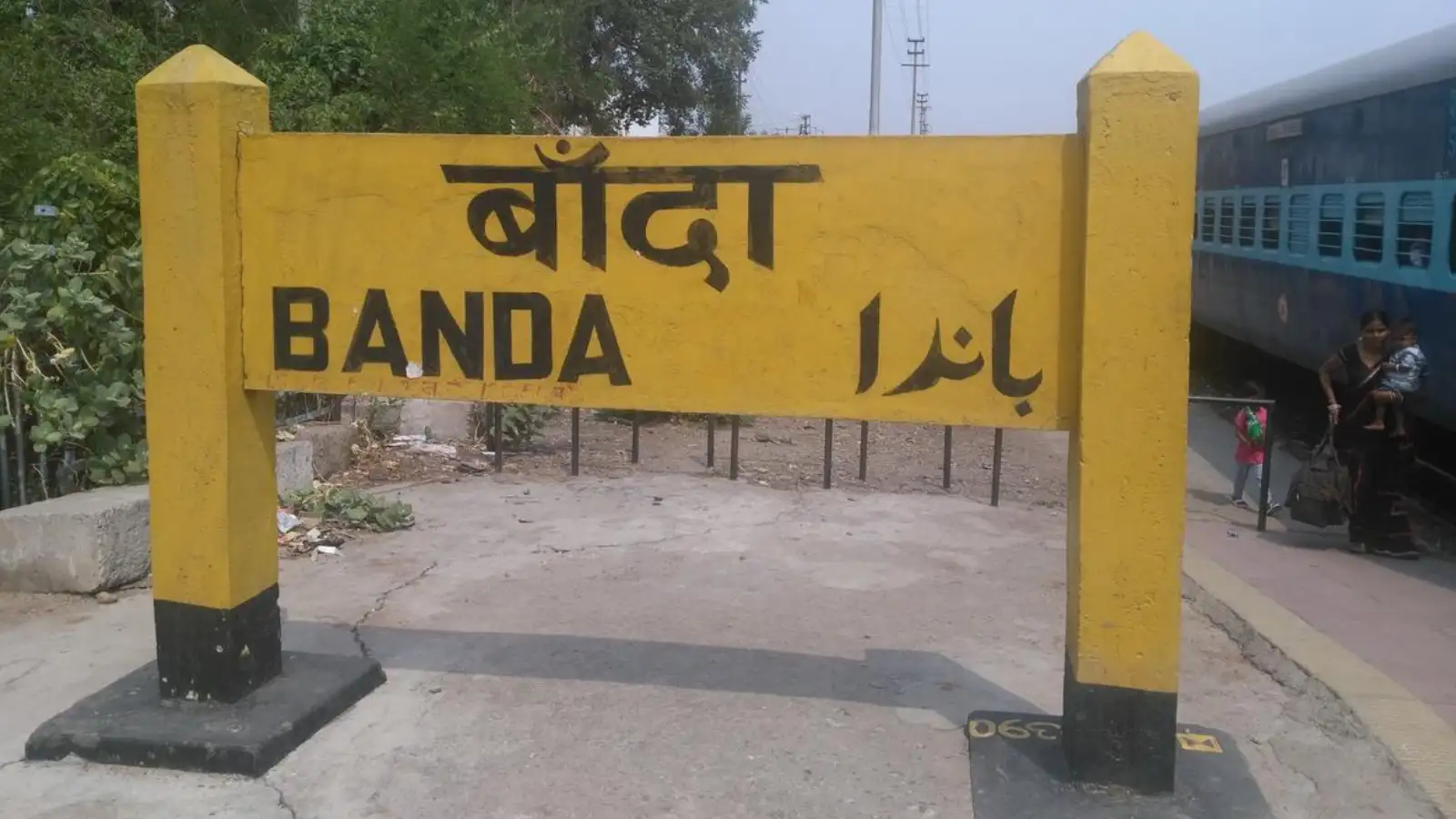
Business owners are counting massive losses as economic transaction windows shrink to just a few twilight hours. Local jewelers and traders report that customer footfall drops to zero by mid-morning, leaving storefronts empty as a heavy, silent haze settles over urban centers. The sudden halt in daytime commerce has triggered early seasonal migration, with daily wage earners fleeing the region in search of milder climates where outdoor physical labor remains humanly possible.
The health department has simultaneously entered an emergency alert phase. Public hospitals, community clinics, and rural medical sub-centers have been ordered to establish specialized heatstroke isolation units. State authorities are scrambling to maintain backup inventories of life-saving intravenous fluids, oral rehydration salts, and essential temperature-control equipment to manage a rising influx of patients suffering from severe dehydration, vomiting, and acute exhaustion.
Industrial extraction is further scarring the fragile landscape. Approximately 25% of the porous sandstone structures in the local Vindhyan mountain range have been permanently destroyed by excessive blasting, completely halting natural groundwater recharge. Simultaneously, massive sand mining operations along the Ken River have stripped away the natural riverbeds, causing water tables to plummet and leaving local wells completely dry.
Radical Adaptation in the Workforce
The unrelenting heat has forced local laborers and farmers to adopt radical lifestyle shifts to keep earning a livelihood. Farm workers have completely abandoned daytime cultivation, choosing instead to till their agricultural fields at night under the glow of heavy LED floodlights. In the construction and infrastructure sectors, manual laborers are willingly sacrificing up to 40% of their daily wages just to avoid working outdoors between 10 AM and 5 PM. Furthermore, local food stalls and vibrant marketplaces that historically operated through the afternoon have shifted their entire business models to open exclusively after sunset.Business owners are counting massive losses as economic transaction windows shrink to just a few twilight hours. Local jewelers and traders report that customer footfall drops to zero by mid-morning, leaving storefronts empty as a heavy, silent haze settles over urban centers. The sudden halt in daytime commerce has triggered early seasonal migration, with daily wage earners fleeing the region in search of milder climates where outdoor physical labor remains humanly possible.
Infrastructure Under Extreme Stress
The scorching weather has pushed local infrastructure to its absolute breaking point, particularly the regional electricity grid. At 44 critical electrical substations scattered across the district, power department employees are continuously pouring cold water on over 1,379 transformers. This emergency cooling method was introduced after multiple vital units repeatedly melted down or malfunctioned over a 45-day period due to a lethal combination of extreme ambient temperatures and excessive power loads. Despite these desperate efforts, local power supply has faced severe strain, even as demand peaks.The health department has simultaneously entered an emergency alert phase. Public hospitals, community clinics, and rural medical sub-centers have been ordered to establish specialized heatstroke isolation units. State authorities are scrambling to maintain backup inventories of life-saving intravenous fluids, oral rehydration salts, and essential temperature-control equipment to manage a rising influx of patients suffering from severe dehydration, vomiting, and acute exhaustion.
The Root of the Heat Island Phenomenon
Geologists and environmental researchers point out that Banda's sudden transformation into a severe "heat island" is heavily driven by rapid local environmental degradation. A landmark academic study tracking regional topography revealed that the district lost roughly 16.6% of its dense forest cover over recent decades, severely diminishing the land's natural moisture retention capabilities. The local terrain is trapped in a vicious cycle: bare rocky surfaces absorb intense solar radiation all day, and before the surface heat can dissipate at night, dawn breaks with brighter, harsher sunshine, leaving no room for the environment to naturally cool down.Industrial extraction is further scarring the fragile landscape. Approximately 25% of the porous sandstone structures in the local Vindhyan mountain range have been permanently destroyed by excessive blasting, completely halting natural groundwater recharge. Simultaneously, massive sand mining operations along the Ken River have stripped away the natural riverbeds, causing water tables to plummet and leaving local wells completely dry.
Next Story