
Can Your Landlord Install CCTV Outside Your Rented Home Without Permission? Know Your Rights

Can your landlord install a CCTV camera outside your rented home? The answer depends on where the camera is placed and what it captures. While landlords are allowed to use surveillance systems to improve security in common areas, they cannot use CCTV cameras in a way that compromises a tenant’s privacy. Indian law recognises a tenant’s right to peaceful enjoyment of the rented property, and any surveillance that intrudes into private spaces may have legal consequences. Here's a closer look at what the law says.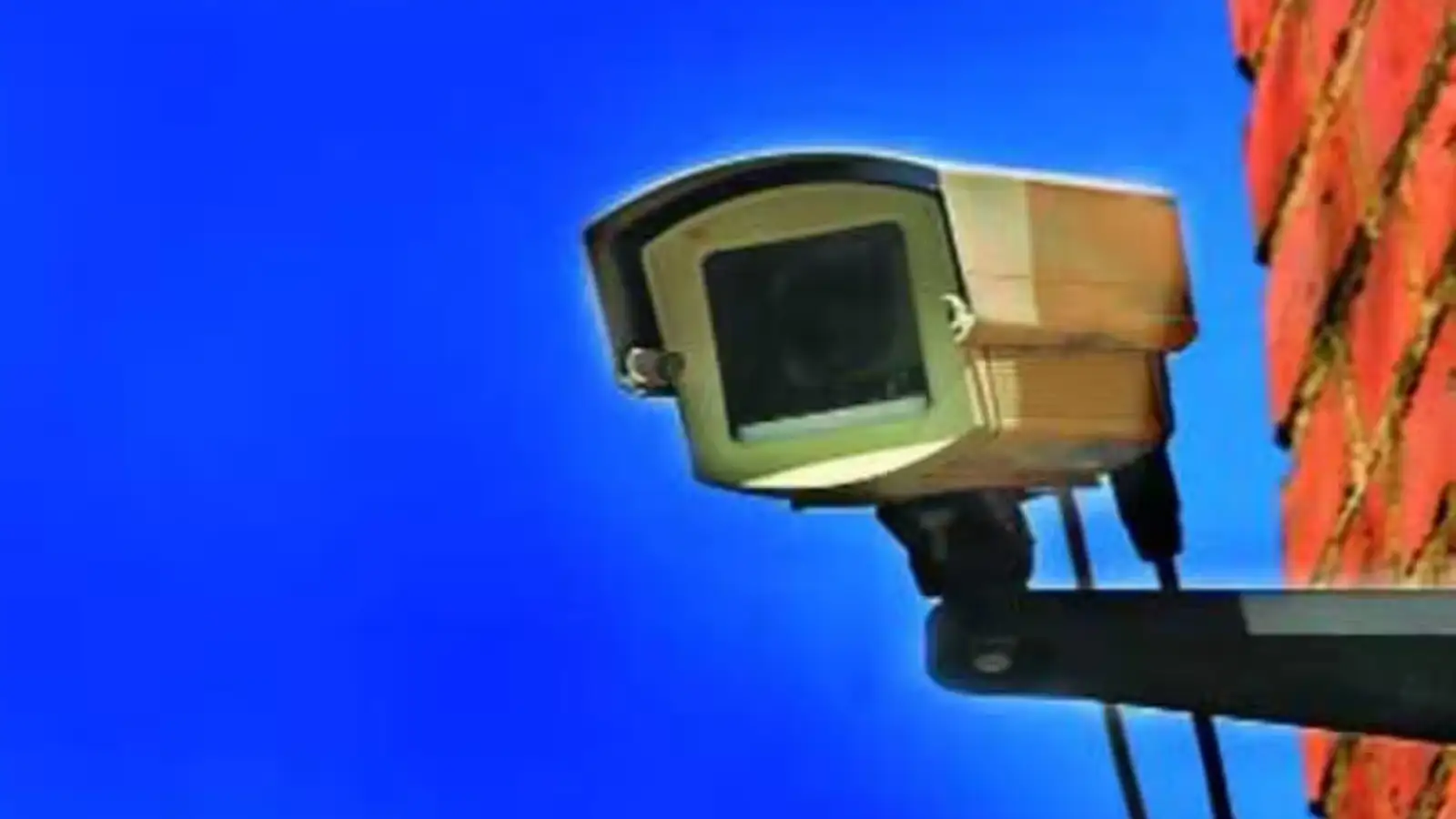
Can a Landlord Install CCTV Cameras on a Rented Property?
Installing CCTV cameras in residential buildings is common today, especially to enhance safety and prevent theft or unauthorised access. Landlords are generally permitted to place cameras in shared spaces such as building entrances, parking areas, staircases or common corridors for security purposes.
However, the legality changes if the camera is positioned in a way that records a tenant’s private activities. If a CCTV camera directly faces the entrance of a rented home, windows, balcony or other private areas, it could amount to an invasion of privacy.
The key question is not whether the landlord owns the property, but whether the surveillance interferes with the tenant’s lawful right to privacy.
Right to Privacy Protects Tenants
India’s legal framework recognises privacy as a fundamental right. In the landmark Justice K.S. Puttaswamy (Retd.) vs Union of India (2017) judgment, the Supreme Court declared that the right to privacy is an essential part of the right to life and personal liberty guaranteed under Article 21 of the Constitution.
This means tenants also enjoy constitutional protection against unnecessary or intrusive surveillance inside or around their living spaces.
What the Calcutta High Court Said
The issue of CCTV surveillance in residential premises gained further clarity in Shuvendra Mullick vs Indranil Mullick (2024).
In this case, nearly 15 CCTV cameras had been installed in and around the property, with several cameras monitoring the occupant’s residential area, windows and internal movements without consent.
The Calcutta High Court observed that surveillance extending into a person's private living space could violate the constitutional right to privacy. The court subsequently restricted the operation of cameras that intruded into private areas, reinforcing that security measures cannot come at the cost of an individual's privacy.
Tenant’s Right to Peaceful Possession
Apart from constitutional protection, tenants also receive legal safeguards under the Transfer of Property Act , 1882.
Under Section 108(c), a tenant who complies with the terms of the tenancy and pays rent has the right to peaceful possession and enjoyment of the rented property. Any unnecessary monitoring or interference that disturbs this right may become a legal issue.
What the Information Technology Act Says
The Information Technology Act, 2000 also addresses privacy violations.
According to Section 66E, intentionally capturing, publishing or transmitting images of a person's private area without consent, in circumstances that violate privacy, is a punishable offence. The law provides for imprisonment of up to three years, a fine of up to Rs 2 lakh, or both.
This provision can also apply if CCTV footage records private areas without the occupant's permission.
Can a Landlord Monitor a Tenant Through CCTV?
Simply owning a property does not give a landlord unlimited authority to monitor tenants.
A CCTV camera installed to watch common entry points for security is generally acceptable. However, surveillance aimed at recording a tenant’s movements inside their private living area, balcony, windows or other personal spaces may violate privacy rights and attract legal scrutiny.
Landlords have a legitimate interest in protecting their property, but that interest must be balanced with a tenant’s legal right to privacy. Security cameras placed in common areas are usually permissible, while cameras that intrude into private spaces may violate constitutional and statutory protections. If a tenant believes a CCTV camera has crossed this line, they may have legal remedies under Indian law.
Can a Landlord Install CCTV Cameras on a Rented Property?
Installing CCTV cameras in residential buildings is common today, especially to enhance safety and prevent theft or unauthorised access. Landlords are generally permitted to place cameras in shared spaces such as building entrances, parking areas, staircases or common corridors for security purposes.
However, the legality changes if the camera is positioned in a way that records a tenant’s private activities. If a CCTV camera directly faces the entrance of a rented home, windows, balcony or other private areas, it could amount to an invasion of privacy.
The key question is not whether the landlord owns the property, but whether the surveillance interferes with the tenant’s lawful right to privacy.
Right to Privacy Protects Tenants
India’s legal framework recognises privacy as a fundamental right. In the landmark Justice K.S. Puttaswamy (Retd.) vs Union of India (2017) judgment, the Supreme Court declared that the right to privacy is an essential part of the right to life and personal liberty guaranteed under Article 21 of the Constitution.
This means tenants also enjoy constitutional protection against unnecessary or intrusive surveillance inside or around their living spaces.
What the Calcutta High Court Said
The issue of CCTV surveillance in residential premises gained further clarity in Shuvendra Mullick vs Indranil Mullick (2024).
In this case, nearly 15 CCTV cameras had been installed in and around the property, with several cameras monitoring the occupant’s residential area, windows and internal movements without consent.
The Calcutta High Court observed that surveillance extending into a person's private living space could violate the constitutional right to privacy. The court subsequently restricted the operation of cameras that intruded into private areas, reinforcing that security measures cannot come at the cost of an individual's privacy.
You may also like
- SC bans uploading, sharing of audio, video recordings of hearings
- 'We were scared of Modi, Shah': Congress leader Aiyar joins Jantar Mantar protest, says students 'fearless'
- Neet's top 2 scorers: Protest is a right, reform is the answer
- 'End errors' surrounding NEET exam: SC tells Centre
- SC proposes special courts for Manipur violence cases; directs CBI, SIT to expedite investigations
Tenant’s Right to Peaceful Possession
Apart from constitutional protection, tenants also receive legal safeguards under the Transfer of Property Act , 1882.
Under Section 108(c), a tenant who complies with the terms of the tenancy and pays rent has the right to peaceful possession and enjoyment of the rented property. Any unnecessary monitoring or interference that disturbs this right may become a legal issue.
What the Information Technology Act Says
The Information Technology Act, 2000 also addresses privacy violations.
According to Section 66E, intentionally capturing, publishing or transmitting images of a person's private area without consent, in circumstances that violate privacy, is a punishable offence. The law provides for imprisonment of up to three years, a fine of up to Rs 2 lakh, or both.
This provision can also apply if CCTV footage records private areas without the occupant's permission.
Can a Landlord Monitor a Tenant Through CCTV?
Simply owning a property does not give a landlord unlimited authority to monitor tenants.
A CCTV camera installed to watch common entry points for security is generally acceptable. However, surveillance aimed at recording a tenant’s movements inside their private living area, balcony, windows or other personal spaces may violate privacy rights and attract legal scrutiny.
Landlords have a legitimate interest in protecting their property, but that interest must be balanced with a tenant’s legal right to privacy. Security cameras placed in common areas are usually permissible, while cameras that intrude into private spaces may violate constitutional and statutory protections. If a tenant believes a CCTV camera has crossed this line, they may have legal remedies under Indian law.






Loving Newspoint? Download the app now
