
The Rise and Fall of Byju’s: How India’s Edtech Giant Collapsed Under Debt

The quick rise and sudden fall of successful tech startups are common stories in the business world. When money is easy to get, companies often spend heavily to win customers. This makes them look like they are worth billions on paper, even if their business model is weak. The biggest example of this trend is Byju’s, which was once India's most successful tech startup. This week, the long financial crisis at Byju's reached a chaotic breaking point.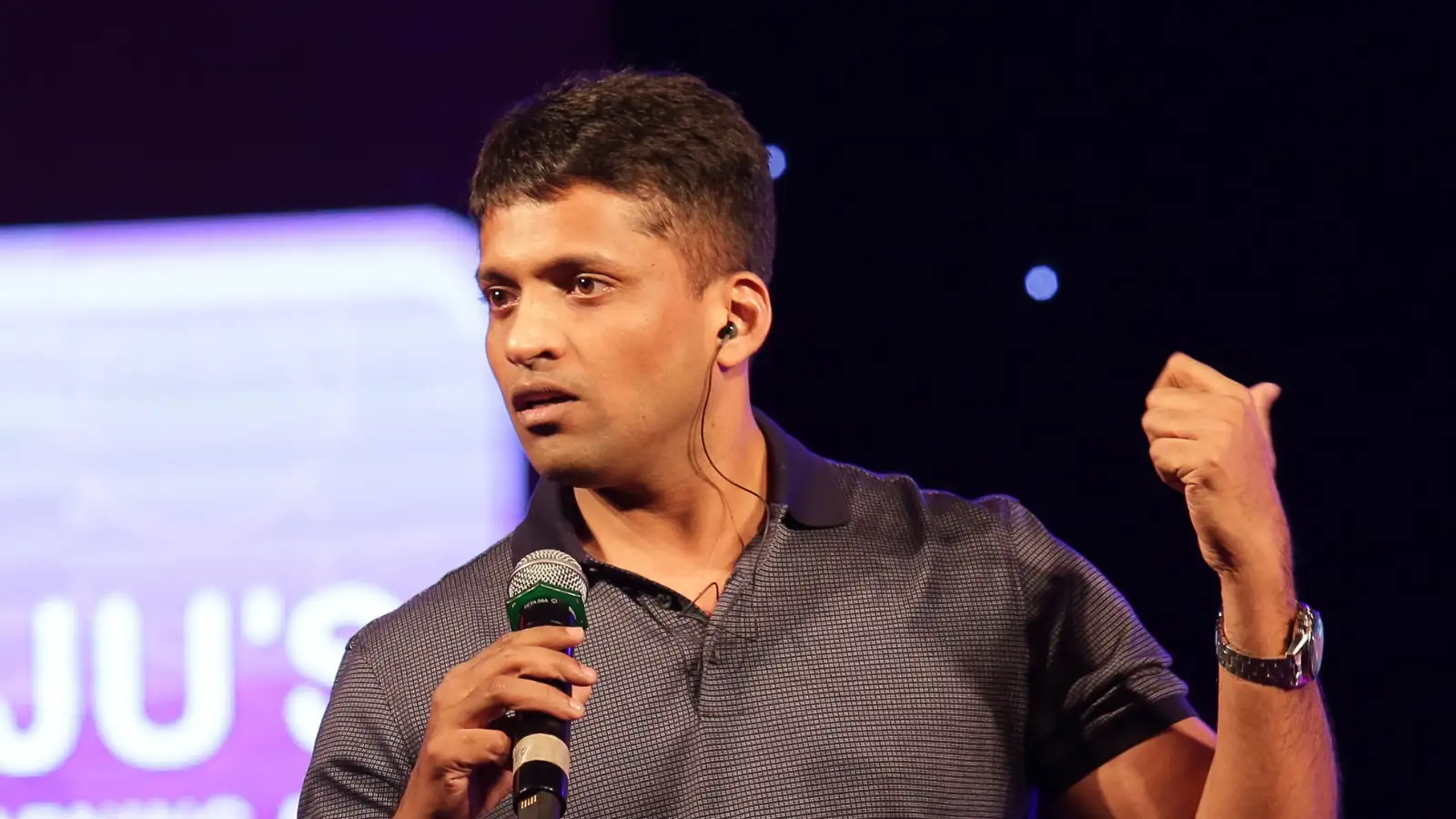
A court in Singapore sentenced the company's founder and CEO, Byju Raveendran, to six months in prison for civil contempt of court. This dramatic legal decision has completely shattered what was left of Byju's, an educational empire that was valued at an incredible $22 billion just a few years ago.
The sudden jail sentence comes from an aggressive legal battle with Qatar Holdings, a branch of the Qatar Investment Authority sovereign wealth fund. The Qatari fund had invested heavily in Byju's when the edtech company was trying to stay afloat during a wave of massive job cuts and sudden office closures.
However, the High Court of Singapore held that the CEO, Byju Raveendran, had repeatedly disobeyed direct orders to disclose his personal assets and holdings to the public. Along with the six-month prison sentence, the Singapore judge ordered Byju Raveendran to turn himself in to local law enforcement immediately. He must also pay S$90,000 in legal fees and hand over papers proving his ownership in Beeaar Investco Pte, an entity that held shares in the business of Byju's.
This sudden jail sentence has put a definitive stop to the emergency corporate restructuring plans, which were designed by Byju Raveendran to save the remaining tutoring apps and physical schools in India. The complex global financial network behind Byju's has completely broken down as international lenders fight to seize the company's remaining assets across multiple borders.
For instance, a bankruptcy court in the United States has already blamed Byju Raveendran for hiding more than $1 billion from institutional creditors. Closer to home in India, a massive payment dispute with the Board of Control for Cricket in India (BCCI) triggered official insolvency proceedings against Byju's, completely cutting off the business from getting new loans or stabilizing its daily operations.
Shortly after the news broke, a defiant Byju Raveendran released a statement on social media to defend both his personal reputation and the brand image of Byju's. He argued that the Singapore court's decision creates a misleading picture, claiming that he is close to finalizing a settlement with his major lenders.
Byju Raveendran denied doing anything wrong and stated that all the disputed money was spent on legitimate business needs rather than personal gain. His defense team is already planning an immediate appeal to stop the prison order before the June deadline. However, since the founder himself previously admitted that Byju's is now effectively "worth zero," this jail sentence marks a sad and sudden end for India's pandemic-era tech giant.
The collapse of Byju's offers a very strong warning to the entire global startup industry about the dangers of unchecked growth. For years, the firm was praised as a major success, buying up smaller competitors and spending a lot of money on celebrity endorsements and sports sponsorships. This aggressive style worked well when global investors were pouring cash into online learning apps. However, when schools reopened and interest rates went up, the cash flow dried up almost overnight, exposing bad management habits that had been ignored for too long.
As the legal battles continue in different countries, current students and employees are facing a very uncertain future. Thousands of workers have lost their jobs over the past two years, and many are still fighting to get their unpaid salaries. At the same time, parents who paid for long-term learning courses are struggling to get refunds or customer support. Byju Raveendran's journey from a billionaire tutor to a convicted businessman shows how fast a company can fall when it prioritizes high valuations over good corporate discipline.
A court in Singapore sentenced the company's founder and CEO, Byju Raveendran, to six months in prison for civil contempt of court. This dramatic legal decision has completely shattered what was left of Byju's, an educational empire that was valued at an incredible $22 billion just a few years ago.
Singapore Court Sentences Byju's CEO Byju Raveendran for Asset Misrepresentation
The sudden jail sentence comes from an aggressive legal battle with Qatar Holdings, a branch of the Qatar Investment Authority sovereign wealth fund. The Qatari fund had invested heavily in Byju's when the edtech company was trying to stay afloat during a wave of massive job cuts and sudden office closures.
However, the High Court of Singapore held that the CEO, Byju Raveendran, had repeatedly disobeyed direct orders to disclose his personal assets and holdings to the public. Along with the six-month prison sentence, the Singapore judge ordered Byju Raveendran to turn himself in to local law enforcement immediately. He must also pay S$90,000 in legal fees and hand over papers proving his ownership in Beeaar Investco Pte, an entity that held shares in the business of Byju's.
Widening Debt Pitfalls Freeze Financial Restructuring for Byju's
This sudden jail sentence has put a definitive stop to the emergency corporate restructuring plans, which were designed by Byju Raveendran to save the remaining tutoring apps and physical schools in India. The complex global financial network behind Byju's has completely broken down as international lenders fight to seize the company's remaining assets across multiple borders.
You may also like
- Respect Hindu sentiments for peaceful coexistence: VHP amid Eid-ul-Azha row
- Banking sector key to realising Viksit Bharat vision: SBI Chairman C S Setty
- Indian Railways approves first indigenous hydrogen train on Jind-Sonipat route
- Central Consumer Protection Authority cracks down on online sale of hazardous chemicals, explosive substances
- Assam assembly passes UCC Bill with ban on polygamy, live-in registration rules
For instance, a bankruptcy court in the United States has already blamed Byju Raveendran for hiding more than $1 billion from institutional creditors. Closer to home in India, a massive payment dispute with the Board of Control for Cricket in India (BCCI) triggered official insolvency proceedings against Byju's, completely cutting off the business from getting new loans or stabilizing its daily operations.
CEO Byju Raveendran Defends Byju's Operations and Denies Wrongdoing
Shortly after the news broke, a defiant Byju Raveendran released a statement on social media to defend both his personal reputation and the brand image of Byju's. He argued that the Singapore court's decision creates a misleading picture, claiming that he is close to finalizing a settlement with his major lenders.
Byju Raveendran denied doing anything wrong and stated that all the disputed money was spent on legitimate business needs rather than personal gain. His defense team is already planning an immediate appeal to stop the prison order before the June deadline. However, since the founder himself previously admitted that Byju's is now effectively "worth zero," this jail sentence marks a sad and sudden end for India's pandemic-era tech giant.
The collapse of Byju's offers a very strong warning to the entire global startup industry about the dangers of unchecked growth. For years, the firm was praised as a major success, buying up smaller competitors and spending a lot of money on celebrity endorsements and sports sponsorships. This aggressive style worked well when global investors were pouring cash into online learning apps. However, when schools reopened and interest rates went up, the cash flow dried up almost overnight, exposing bad management habits that had been ignored for too long.
As the legal battles continue in different countries, current students and employees are facing a very uncertain future. Thousands of workers have lost their jobs over the past two years, and many are still fighting to get their unpaid salaries. At the same time, parents who paid for long-term learning courses are struggling to get refunds or customer support. Byju Raveendran's journey from a billionaire tutor to a convicted businessman shows how fast a company can fall when it prioritizes high valuations over good corporate discipline.






More from our partners


Loving Newspoint? Download the app now
