
Delhi HC Allows Sonam Wangchuk to Shift to Medanta Hospital, Stresses Need for Medical Monitoring

In a major development concerning the medical care of climate activist and education reformer Sonam Wangchuk , the Delhi High Court has proposed and allowed his transfer from the state-run Safdarjung Hospital to Medanta Hospital , a private facility of his choice.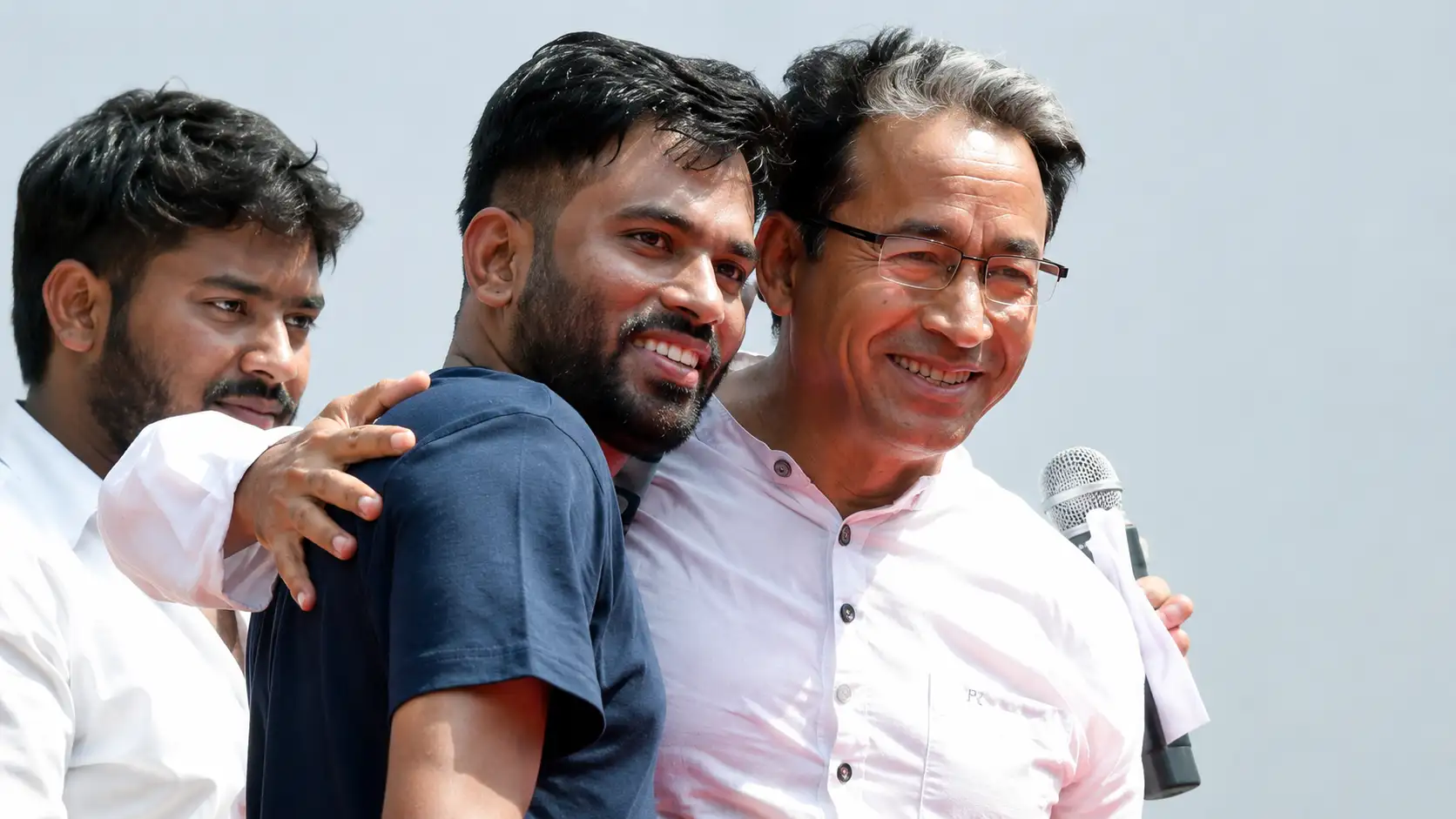
The decision was voiced by a Division Bench comprising Chief Justice Devendra Kumar Upadhyaya and Justice Tejas Karia during proceedings evaluating a plea filed by Wangchuk 's wife, Gitanjali Angmo . The legal challenge contested his continued stay at Safdarjung Hospital, arguing that his admission amounted to involuntary restraint and that he ought to be permitted treatment at a private medical facility.
"After reviewing the official medical reports and interacting with doctors present in court, there is an overarching consensus that constant medical supervision remains vital," Chief Justice Upadhyaya remarked. Court records highlighted that while Wangchuk's vital parameters fluctuate, critical markers including blood potassium levels, urea, and uric acid dictate that he cannot be discharged safely without specialist care.
Addressing concerns over the shift, Solicitor General Tushar Mehta, representing the Union Government, stated that central authorities raised no objections to transferring the activist to Medanta. However, government counsel maintained that Wangchuk should remain under structured medical observation rather than seeking discharge against medical advice given the potential health risks involved.
Under the court's proposed framework:
Representing the activist's family, Senior Advocate Akhil Sibal presented a written communication from Wangchuk detailing his experiences at the government facility. The submission raised concerns over excessive police presence inside hospital corridors, restricted communication access, and an environment felt to be unsupportive of a recovering patient.
While government representatives reiterated that every life is precious and that state doctors acted promptly under extraordinary circumstances to prevent fatal complications, the High Court concluded that respecting the activist's preference for private care offered a balanced solution while guaranteeing necessary medical oversight.
The decision was voiced by a Division Bench comprising Chief Justice Devendra Kumar Upadhyaya and Justice Tejas Karia during proceedings evaluating a plea filed by Wangchuk 's wife, Gitanjali Angmo . The legal challenge contested his continued stay at Safdarjung Hospital, arguing that his admission amounted to involuntary restraint and that he ought to be permitted treatment at a private medical facility.
Medical Consensus on Continuous Health Monitoring
During detailed court discussions involving medical experts from the All India Institute of Medical Sciences (AIIMS), Safdarjung Hospital, and private attending physicians, the Bench observed a clear consensus regarding Wangchuk's fragile condition following a prolonged hunger strike ."After reviewing the official medical reports and interacting with doctors present in court, there is an overarching consensus that constant medical supervision remains vital," Chief Justice Upadhyaya remarked. Court records highlighted that while Wangchuk's vital parameters fluctuate, critical markers including blood potassium levels, urea, and uric acid dictate that he cannot be discharged safely without specialist care.
Addressing concerns over the shift, Solicitor General Tushar Mehta, representing the Union Government, stated that central authorities raised no objections to transferring the activist to Medanta. However, government counsel maintained that Wangchuk should remain under structured medical observation rather than seeking discharge against medical advice given the potential health risks involved.
You may also like
- Four-year-old's scalp ripped off after brutal attack by stray dog
- 'Turned his car around and drove away': Mamata Banerjee's swipe at PM Modi over CJP Parliament march
- 'Fight together': Mamata urges INDIA bloc unity against BJP, shuts down door on rebels
- Shri Rahul Himalian Assumes Additional Charge as Chairman & Managing Director, IRCTC
- 'Hospitals are institutions of healing, not detention': Safdarjung, AIIMS doctors write to President over Wangchuk
Key Terms of the Transfer Order
To ensure a seamless transition between medical teams, the High Court directed that all medical history, diagnostic reports, and ongoing treatment documentation compiled during Wangchuk's stay at Safdarjung Hospital be transferred immediately to the medical director at Medanta Hospital.Under the court's proposed framework:
- A dedicated panel of specialists will be constituted by the Director of Medanta to oversee Wangchuk's health.
- Full access to previous clinical charts will be provided to ensure continuity of care.
- Formal court directions regarding the logistics of the transfer will be finalized following official record submissions.
Background and Environmental Concerns
Wangchuk was initially brought to Safdarjung Hospital by police authorities after his physical condition deteriorated during an extended hunger strike in the capital. The demonstration was held in solidarity with student protests organized under the banner of the Cockroach Janta Party (CJP), demanding comprehensive education reforms and strict accountability following allegations of nationwide competitive examination leaks.Representing the activist's family, Senior Advocate Akhil Sibal presented a written communication from Wangchuk detailing his experiences at the government facility. The submission raised concerns over excessive police presence inside hospital corridors, restricted communication access, and an environment felt to be unsupportive of a recovering patient.
While government representatives reiterated that every life is precious and that state doctors acted promptly under extraordinary circumstances to prevent fatal complications, the High Court concluded that respecting the activist's preference for private care offered a balanced solution while guaranteeing necessary medical oversight.






Loving Newspoint? Download the app now
