
Delhi Under ‘Yellow’ Heatwave Alert: Yellow, Orange, Red - What Different Weather Warning Colours Mean?

With temperatures rising across several states in the Country and people finding it extremely difficult to continue with their daily chores in these harsh weather conditions the India Meteorological Department (IMD) has issued heatwave warnings in many regions, weather alerts have once again become a major point of discussion amongst the population. From yellow alerts flashing on news channels to red warnings issued in extreme weather situations, these colour coded signals are designed to help people become aware and prepare in advance and stay safe during severe weather conditions. But what exactly do these colours signify and how seriously should people take them?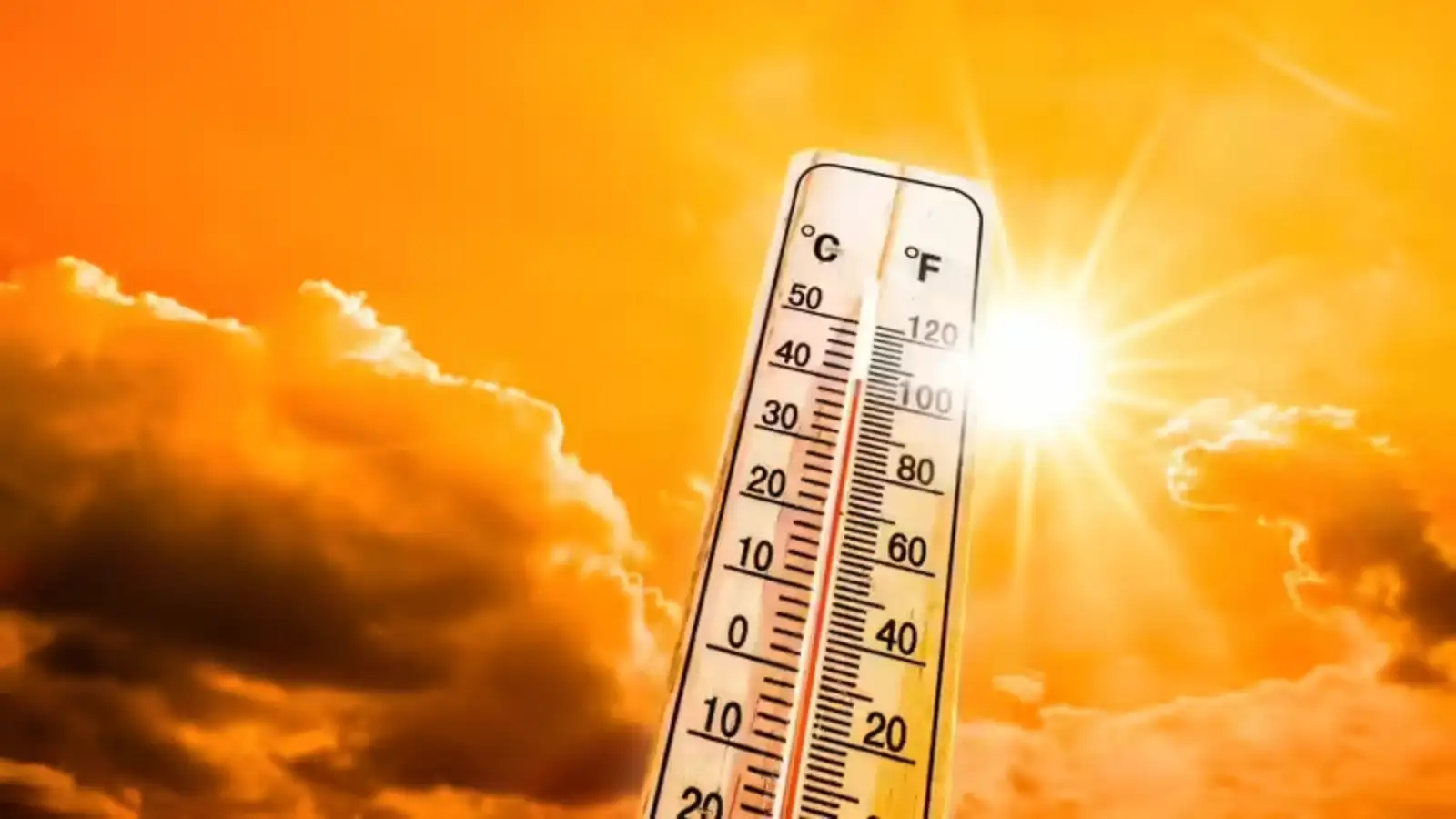
Why Weather Alerts Are Issued
The IMD uses a colour coded warning system to inform the public about upcoming weather conditions such as heatwaves, heavy rainfall, thunderstorms, cyclones, fog, and cold waves. These alerts are not meant to get the general public in a state of panic but they are there to act as a precautionary signal that tells authorities and citizens to be prepared for the upcoming harsh weather conditions. Especially during summers, heatwave alerts become important as extreme temperatures can lead to dehydration, heat exhaustion, and other health related issues, particularly for children, elderly people, and those working outdoors experiencing the weather directly.What Does a Yellow Alert Mean?
A yellow alert is the first Initial level of warning issued by the weather department. It means to “be aware” while the weather situation may not be extremely dangerous, people are still advised to stay updated and take basic precautions because in the future the situation can be worse. In the case of a heatwave, a yellow alert usually indicates that temperatures are above normal and may become uncomfortable for certain groups. People are advised to avoid direct sunlight during peak afternoon hours, stay hydrated, and limit outdoor activities whenever possible. Schools, local authorities, and hospitals also get alerted and begin monitoring the situation more carefully once a yellow alert is issued.What Is an Orange Alert?
An orange alert signals that weather conditions are likely to worsen and people should “be prepared.” This warning is more serious than a yellow alert and often indicates a higher risk to health and daily activities. During a heatwave, an orange alert may be issued when temperatures are expected to remain extremely high for a consecutive number of days. Authorities may advise people to avoid unnecessary travel during the daytime, while emergency services are kept on alert. Outdoor workers, delivery staff, traffic police personnel, and labourers are among those most affected during such conditions because their work demands them to be outdoors mostly. Health experts also warn that long exposure to extreme heat can increase the risk of heatstroke and dehydration.What Does a Red Alert Indicate?
A red alert is the highest level of weather warning. It means “take action” and indicates potentially dangerous or life-threatening weather conditions. In heatwave situations, a red alert is issued when temperatures reach extremely critical levels and cause a serious threat to public health. Governments and local administrations mostly take emergency measures, including changing school timings, opening cooling centres, or advising people to remain indoors unless absolutely necessary. Medical authorities often recommend immediate attention for symptoms like dizziness, nausea, confusion, or high body temperature during such conditions.Why These Alerts Matter
Many people tend to ignore weather warnings unless the conditions become severe and affect them directly, but experts say these alerts are there to help prevent emergencies before they happen. With each passing day climate patterns are becoming more unpredictable and heatwaves are increasing across India with a dangerous number, So understanding these warning colours currently has become more important than ever. A simple yellow, orange, or red notification may seem small, but it can play a major role in helping people stay safe during extreme weather conditions.Next Story