
The Power of the Table: How Grassroots Movements Force Established Governments to Negotiate

Democracy is often defined by elections, parliamentary sessions, and formal legislation, but its most authentic moments frequently occur outside institutional walls. A striking visual recently emerged showing government ministers seated directly across from representatives of a newly formed political movement born out of a single social media post. Hammering out terms line by line, the two sides discussed critical accountability measures, including financial compensation for victimized families and ministerial resignations.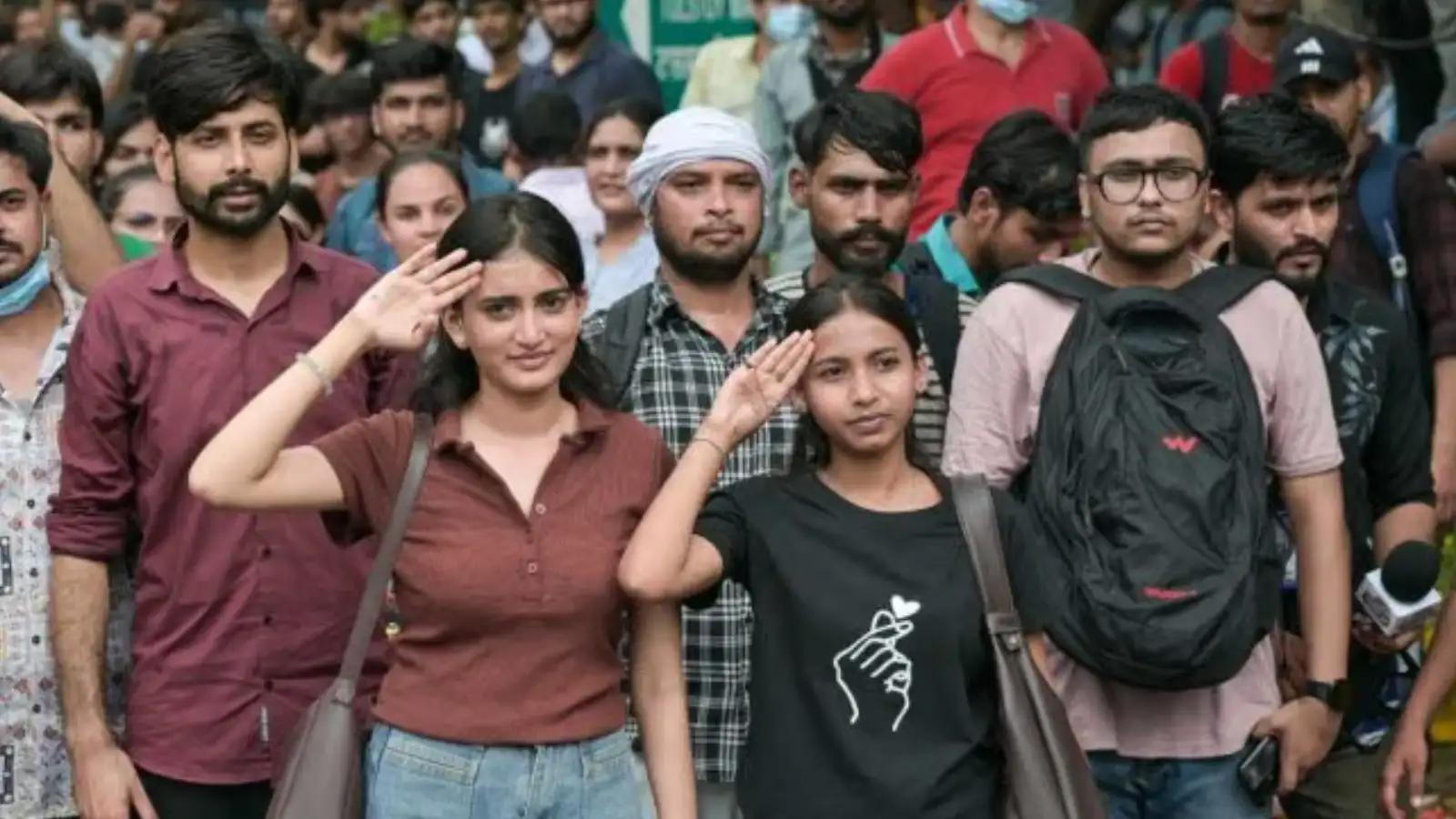
This image carries profound symbolism. A movement only months old sat as an equal negotiating partner with a administration that has held power for over a decade. It serves as a reminder that democratic authority is not a one-way street, but an ongoing conversation where power must periodically answer to the people it governs.
Today, shared public grievances can consolidate rapidly, bypassing traditional political intermediaries. When such organic movements maintain discipline and clear demands, established power structures are forced to engage directly rather than waiting for public pressure to fade. The willingness of an administration to pull up a chair for non-traditional political actors signals a recognition that public legitimacy requires direct engagement with citizen-led movements.
When grassroots representatives secure concrete concessions like a minister's resignation or structured restitution, it redefines the concept of administrative accountability. It establishes a precedent that public office comes with immediate responsibility, and that failure to address systemic grievances will lead to direct public reckoning rather than quiet bureaucratic deferral.
The phrase "democracy's table manners" refers to the unwritten rules of mutual engagement between citizens and the state. It requires governments to resist the urge to dismiss unconventional political actors, while simultaneously requiring citizen movements to translate street-level momentum into clear, actionable policy demands.
True democratic etiquette is not about maintaining polite silence or suppressing dissenting voices. It is about creating spaces where power can be challenged directly without political breakdown. When a long-standing government accepts the necessity of sitting across from newly emerged public representatives, it demonstrates a healthy institutional flexibility.
As social media continues to accelerate political mobilization, the frequency of such encounters will likely increase. The ultimate test of a robust democracy lies in its ability to accommodate these spontaneous shifts, ensuring that whenever citizens rise up to demand accountability, there is always a table waiting where terms can be negotiated openly and fairly.
This image carries profound symbolism. A movement only months old sat as an equal negotiating partner with a administration that has held power for over a decade. It serves as a reminder that democratic authority is not a one-way street, but an ongoing conversation where power must periodically answer to the people it governs.
From Digital Spark to Negotiating Table
The speed at which modern movements organize has fundamentally altered traditional political dynamics. What began as an isolated call to action on digital platforms quickly evolved into a sustained public campaign capable of shifting policy agendas. In previous decades, building a platform capable of challenging an established government required years of formal party building, institutional backing, and extensive financial resources.You may also like
- Lok Sabha grants extension to panel on One Nation One Election till Winter session
- 'Every Indian should be proud of what our youth did': Top quotes from Rahul Gandhi's speech in Parliament
- Bill introduced for stricter delayed birth, death registration
- Abhijeet Dipke flooded with marriage proposals, mother claims
- Watch: Stormy scenes in Rajya Sabha as Kharge, Nadda clash over police action against student protesters
Today, shared public grievances can consolidate rapidly, bypassing traditional political intermediaries. When such organic movements maintain discipline and clear demands, established power structures are forced to engage directly rather than waiting for public pressure to fade. The willingness of an administration to pull up a chair for non-traditional political actors signals a recognition that public legitimacy requires direct engagement with citizen-led movements.
Redefining Institutional Accountability
The specifics discussed at these negotiation tables—ranging from direct compensation for families affected by policy failures to accountability measures for high-ranking officials—highlight a fundamental shift in public expectations. Citizens are increasingly unsatisfied with passive promises of future inquiry commissions or delayed institutional reviews. Instead, they demand immediate, tangible outcomes negotiated in real time.When grassroots representatives secure concrete concessions like a minister's resignation or structured restitution, it redefines the concept of administrative accountability. It establishes a precedent that public office comes with immediate responsibility, and that failure to address systemic grievances will lead to direct public reckoning rather than quiet bureaucratic deferral.
The Essential Etiquette of Democratic Engagement
The phrase "democracy's table manners" refers to the unwritten rules of mutual engagement between citizens and the state. It requires governments to resist the urge to dismiss unconventional political actors, while simultaneously requiring citizen movements to translate street-level momentum into clear, actionable policy demands. True democratic etiquette is not about maintaining polite silence or suppressing dissenting voices. It is about creating spaces where power can be challenged directly without political breakdown. When a long-standing government accepts the necessity of sitting across from newly emerged public representatives, it demonstrates a healthy institutional flexibility.
A Lasting Precedent for Future Movements
The sight of everyday citizens turned political organizers negotiating terms as equals offers a compelling template for public engagement across democratic societies. It proves that institutional longevity does not grant an administration immunity from public pressure, nor does a lack of traditional political lineage prevent citizen groups from effecting genuine structural change.As social media continues to accelerate political mobilization, the frequency of such encounters will likely increase. The ultimate test of a robust democracy lies in its ability to accommodate these spontaneous shifts, ensuring that whenever citizens rise up to demand accountability, there is always a table waiting where terms can be negotiated openly and fairly.






Loving Newspoint? Download the app now
