
<b>Glaw Lake Becomes India’s 101st Ramsar Site, Arunachal’s First Wetland on Global List</b>

In a significant landmark for international nature conservation, Glaw Lake in Arunachal Pradesh has officially been added to the international list of protected wetlands under the Ramsar Convention. The announcement marks the entry of India’s 101st Ramsar site and represents the very first location in Arunachal Pradesh to receive this prestigious global recognition.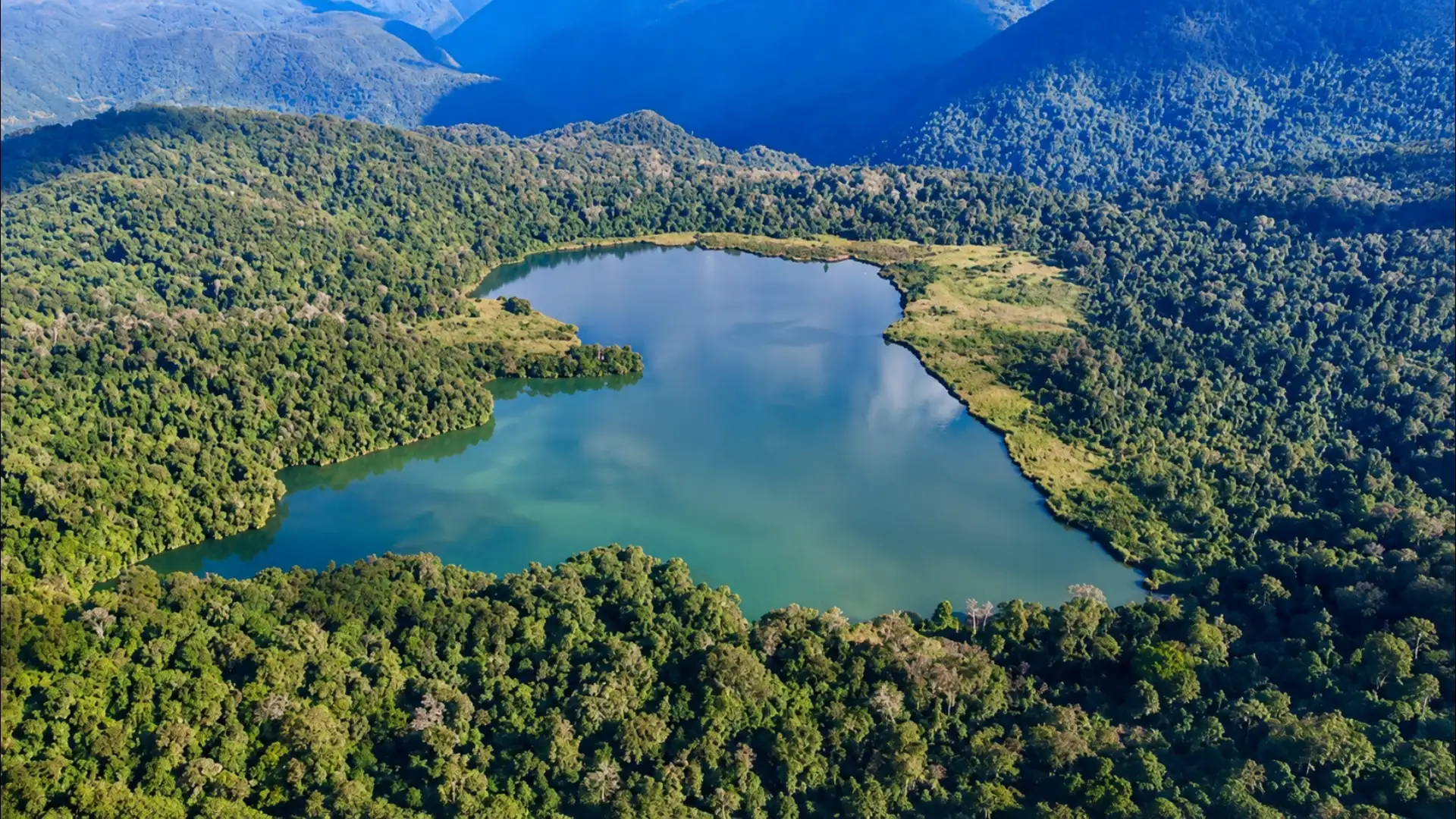
Union Minister for Environment, Forest and Climate Change Bhupender Yadav shared the news, highlighting that the addition reflects India's expanding commitment to environmental protection, climate resilience, and sustainable community development.
The surrounding catchment area represents a thriving ecological sanctuary. Comprehensive botanical surveys conducted in the region have recorded over 150 tree species and at least 49 distinct species of orchids within the wetland ecosystem. This extraordinary floral variety underscores the critical role Glaw Lake plays in sustaining regional biodiversity and supporting vulnerable flora and fauna native to the Eastern Himalayan hotspot.
To qualify as a Ramsar site, a wetland must satisfy rigorous ecological criteria set by international experts. When a country designates a wetland, it commits to establishing robust statutory management plans to protect the ecosystem from environmental degradation, pollution, and unsustainable commercial exploitation.
India currently holds the largest network of Ramsar sites in Asia and ranks third globally, behind only the United Kingdom and Mexico. Environmental experts note that achieving this 101-site milestone provides momentum for conservation bodies, forestry officials, and indigenous communities in the North East region.
By bringing international focus to Arunachal Pradesh’s unique ecosystems, state authorities and local forest management teams will receive enhanced resources and support to maintain the ecological health of Glaw Lake for future generations.
Union Minister for Environment, Forest and Climate Change Bhupender Yadav shared the news, highlighting that the addition reflects India's expanding commitment to environmental protection, climate resilience, and sustainable community development.
Nestled in the Kamlang Tiger Reserve
Tucked away in the pristine wilderness of the Eastern Himalayas , Glaw Lake sits within the protected boundaries of the Kamlang Tiger Reserve and Wildlife Sanctuary. The high-altitude freshwater lake is continuously replenished by perennial mountain streams and is surrounded by dense, undisturbed forest cover.The surrounding catchment area represents a thriving ecological sanctuary. Comprehensive botanical surveys conducted in the region have recorded over 150 tree species and at least 49 distinct species of orchids within the wetland ecosystem. This extraordinary floral variety underscores the critical role Glaw Lake plays in sustaining regional biodiversity and supporting vulnerable flora and fauna native to the Eastern Himalayan hotspot.
The Significance of the Ramsar Convention
Established in 1971 in the Iranian city of Ramsar, the Ramsar Convention is an international treaty dedicated to the conservation and wise management of wetlands across the globe. Wetlands act as crucial natural filters, storing carbon, regulating water cycles, mitigating flood risks, and offering essential habitats for resident and migratory wildlife species.You may also like
- Gobind Singh dies by suicide at Khanna station over ₹53,000
- Pune Airport Nears Flight Capacity As Centre Plans More Domestic, International Routes
- Dream Sports MSSA Inter School Football: Don Bosco Beat Aditya Birla, Krsn Shetty Scores Hat-Trick For Smt RSB AVM
- 'People Are Unhappy With BJP...' Newly Elected Congress MLA Ghanshyam Singh Hits Out After Datia Bypoll Win | VIDEO
- 'Cannot Be Dismissed As A Technical Error': Parliamentary Panel Questions Meta Over Temporary Removal Of PM Modi's NEET Facebook Post
To qualify as a Ramsar site, a wetland must satisfy rigorous ecological criteria set by international experts. When a country designates a wetland, it commits to establishing robust statutory management plans to protect the ecosystem from environmental degradation, pollution, and unsustainable commercial exploitation.
India's Expanding Wetland Network
The inclusion of Glaw Lake represents a remarkable expansion in India's environmental conservation journey over the past decade. In 2014, India possessed only 26 designated Ramsar sites. Today, that tally has surpassed a century, standing at 101 sites nationwide.India currently holds the largest network of Ramsar sites in Asia and ranks third globally, behind only the United Kingdom and Mexico. Environmental experts note that achieving this 101-site milestone provides momentum for conservation bodies, forestry officials, and indigenous communities in the North East region.
Safeguarding Ecosystems and Local Livelihoods
Beyond preserving rare orchids and wildlife habitats, the official protection of Glaw Lake brings direct benefits to local indigenous communities. Pristine wetlands serve as vital water towers, safeguarding freshwater security for downstream settlements while supporting sustainable eco-tourism opportunities.By bringing international focus to Arunachal Pradesh’s unique ecosystems, state authorities and local forest management teams will receive enhanced resources and support to maintain the ecological health of Glaw Lake for future generations.






Loving Newspoint? Download the app now
