
‘Just a Joke’? Why Social Media Is No Longer Tolerating Casual Dowry Humour

The evolution of short-form video content has allowed digital creators to amass massive followings by sharing seemingly relatable snippets of domestic life. However, when comedy content boundaries blur into the normalization of illegal practices, public perception can shift overnight from amusement to absolute condemnation. Documenting this sudden digital accountability, social commentary platforms are highlighting a growing movement against casual humour that mocks serious societal issues.
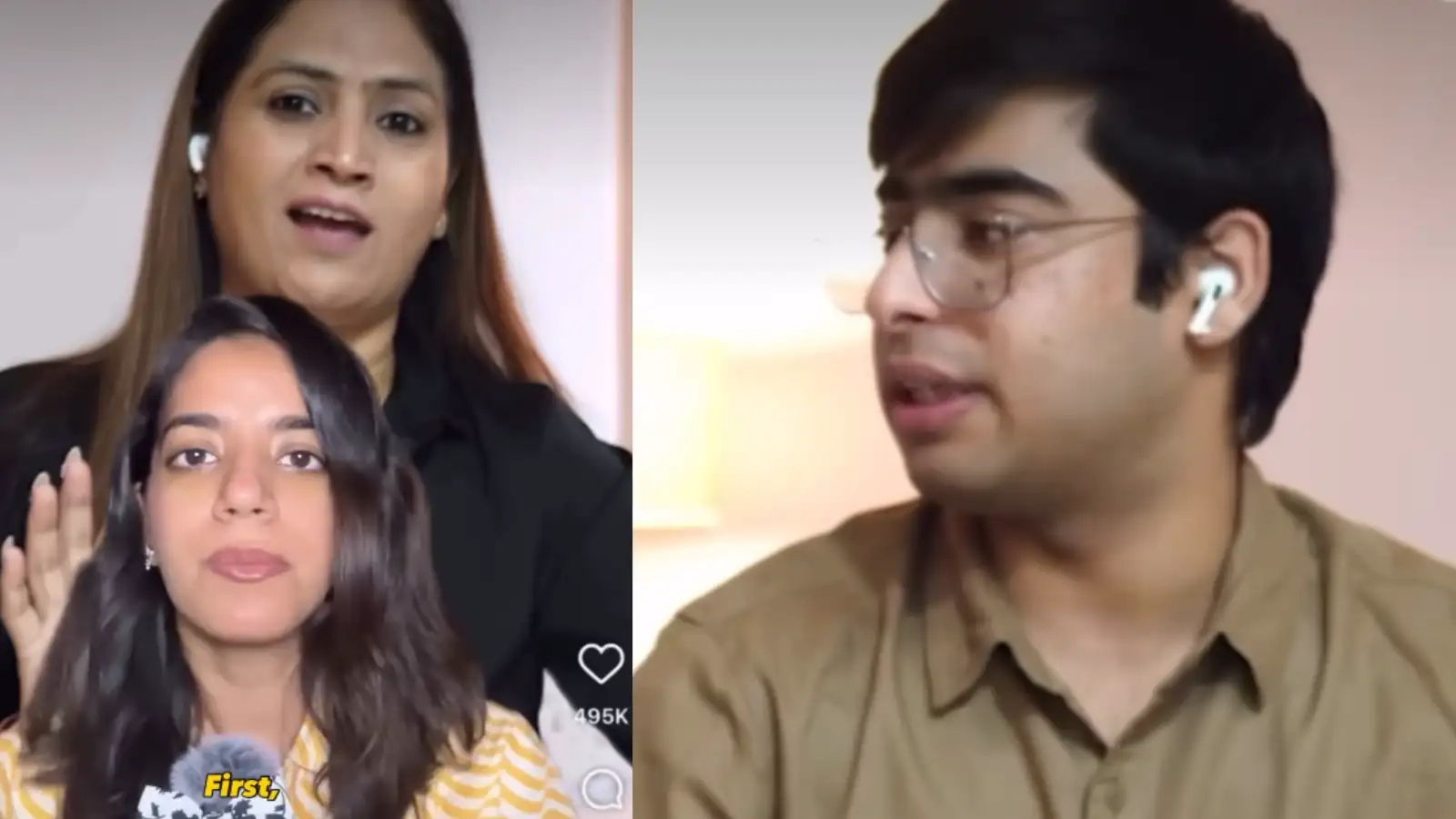
Several prominent lifestyle influencers have found themselves at the center of a severe public backlash after uploading sketches that trivialized financial demands in marriages. The widespread criticism underscores a collective refusal by modern internet users to tolerate toxic traditional mindsets masquerading as lighthearted entertainment.
When Everyday Humour Masks Deep Toxic Mentalities
The viral controversy erupted when digital creators Nikita Manglani and Vivan Manglani, who together command a following of over three lakh users, uploaded a comedy reel centered on marital transactions. In the video, a casual conversation about illegal wedding demands was played for laughs, framed as typical family banter.
While the clip initially went unnoticed among their standard uploads, it resurfaced following high-profile national news stories concerning marital harassment in the country. Viewers quickly pointed out that presenting transactional marriage expectations as a funny domestic quirk directly contributes to making real-world exploitation seem socially acceptable.
Social Media Triggers a Massive Digital Backlash
As the video recirculated, digital creators and women's rights advocates launched a coordinated critique against the offensive content. Activists argued that framing financial exploitation as a punchline minimizes the trauma of thousands of families globally.
- Flawed Equivalence: Critics slammed the video for falsely equating a woman's desire for a financially stable partner with a groom's family actively demanding illegal cash or assets.
- Apology Rejected: Although the creators quickly uploaded a formal video apology claiming the joke was posted out of ignorance, the online community dismissed the statement as insincere damage control.
Real World Tragedies Expose the Limits of Satire
The heavy criticism faced by these influencers highlights a growing awareness that internet media does not exist in a vacuum. According to recent data from the National Crime Records Bureau, thousands of women continue to face severe domestic harassment annually, making the subject incredibly sensitive for audiences.
When digital sketches treat deep-seated systemic abuses as repeatable, shareable meme templates, they stop being harmless parodies and instead become tools of minimization. As audiences continue to unfollow creators who rely on outdated, offensive stereotypes, the digital media industry is learning that true social responsibility must always come before viral engagement.
Next Story