
4 Ancient Living Cities in India Where History and Modern Life Still Coexist

Across the vast landscape of the subcontinent, several prominent ancient cities continue to thrive as bustling centers of commerce, religion, and community life. These exceptional hubs represent a beautiful form of inhabited heritage where the line between past eras and modern times completely blurs. Choosing to explore these resilient destinations allows a traveler to walk the exact same pathways that scholars, traders, and royal leaders navigated thousands of years ago.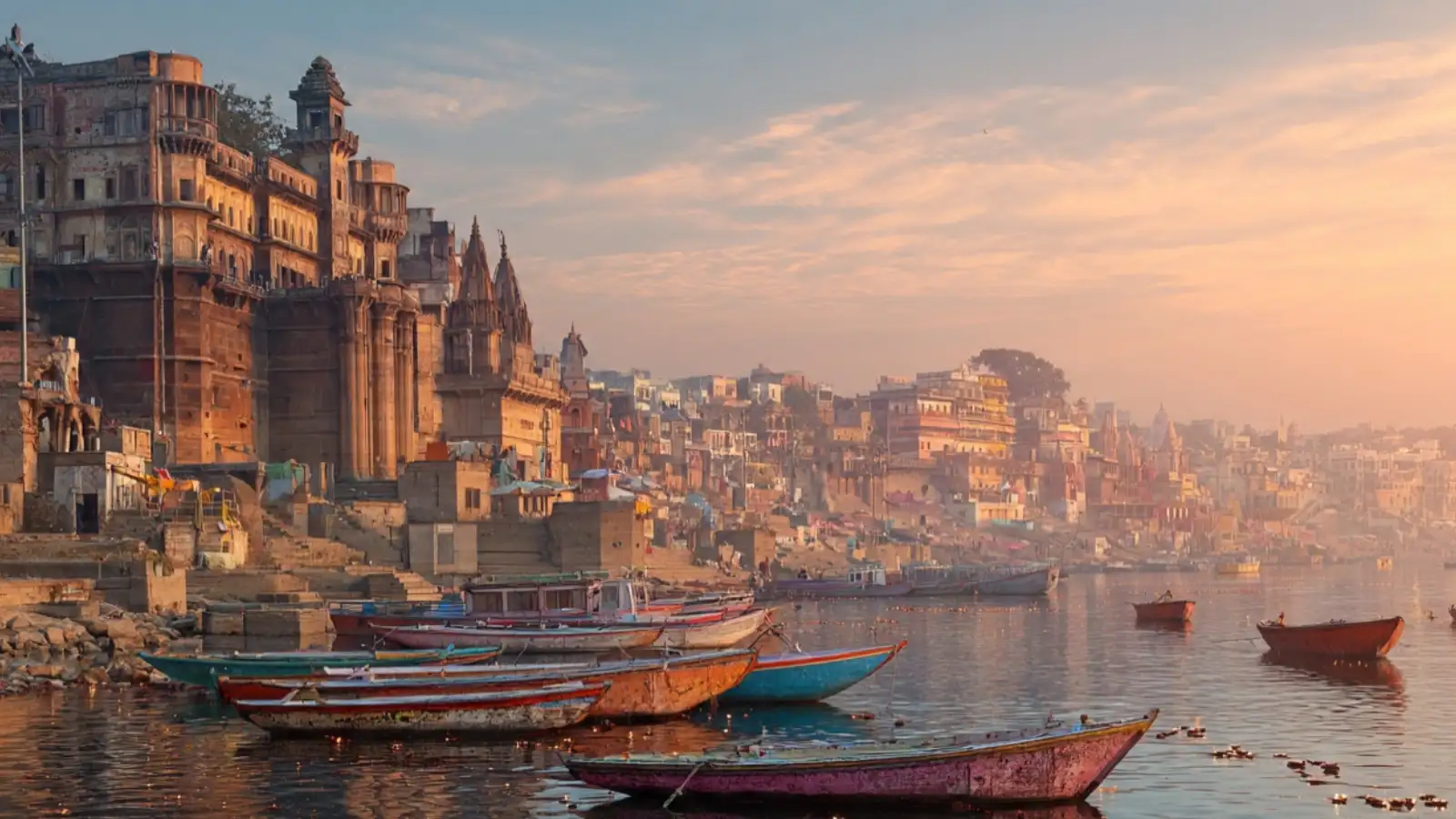
Resting gracefully along a distinct, crescent-shaped bend of the holy Ganges river, this legendary city stands as one of the oldest continually lived-in urban settlements on the planet. For well over three millennia, it has functioned as a primary center for classical philosophy, Sanskrit education, and traditional textile trade. The spiritual heart of the city remains tied to its iconic stone steps, where thousands of residents and travelers gather daily to witness centuries-old prayer ceremonies and dawn river rituals.
The complex story of India's capital stands out because it represents multiple distinct historical eras built directly on top of one another. From the legendary fortress lines of early medieval principalities to the grand structures of the Mughal era and the wide avenues of the colonial period, the city has never stopped evolving. Walking through the narrow, crowded lanes of Chandni Chowk or exploring the medieval ruins scattered across Mehrauli reveals a vibrant urban space where centuries seamlessly crash into one another.
While the busy look of this modern state capital feels entirely contemporary, the ancient foundations of legendary Pataliputra rest directly beneath its crowded streets. This strategic river hub served as the grand imperial headquarters for both the Mauryan and Gupta dynasties, shaping the political destiny of the entire subcontinent for centuries. Visitors can explore local archaeological parks to view the stone columns of grand assembly halls that once housed the region's most powerful ancient rulers.
Varanasi, Uttar Pradesh
Resting gracefully along a distinct, crescent-shaped bend of the holy Ganges river, this legendary city stands as one of the oldest continually lived-in urban settlements on the planet. For well over three millennia, it has functioned as a primary center for classical philosophy, Sanskrit education, and traditional textile trade. The spiritual heart of the city remains tied to its iconic stone steps, where thousands of residents and travelers gather daily to witness centuries-old prayer ceremonies and dawn river rituals.
Delhi
The complex story of India's capital stands out because it represents multiple distinct historical eras built directly on top of one another. From the legendary fortress lines of early medieval principalities to the grand structures of the Mughal era and the wide avenues of the colonial period, the city has never stopped evolving. Walking through the narrow, crowded lanes of Chandni Chowk or exploring the medieval ruins scattered across Mehrauli reveals a vibrant urban space where centuries seamlessly crash into one another.
Madurai, Tamil Nadu
Serving as a powerful cultural capital for South India across more than two thousand years, this urban center grew under the direct patronage of the early Pandya rulers. The structural design of the entire municipality fans out in a distinct pattern from the towering gateway structures of the central Meenakshi Amman Temple. The lively surrounding street markets continue to trade in traditional spices, handloom fabrics, and fresh flowers, maintaining the exact layout described in ancient Sangam literature.Patna, Bihar
While the busy look of this modern state capital feels entirely contemporary, the ancient foundations of legendary Pataliputra rest directly beneath its crowded streets. This strategic river hub served as the grand imperial headquarters for both the Mauryan and Gupta dynasties, shaping the political destiny of the entire subcontinent for centuries. Visitors can explore local archaeological parks to view the stone columns of grand assembly halls that once housed the region's most powerful ancient rulers.
Next Story