
Kumbh Mela 2025: The Timeless Role of Sadhus and Saints

The Kumbh Mela , one of the world's largest religious gatherings, holds profound significance for Hindus, symbolizing faith, spirituality, and tradition. Central to this grand event are the Sadhus - Hindu ascetics who embody the essence of renunciation and spiritual pursuit. These spiritual guardians have played a transformative role in shaping the Kumbh Mela's history, from managing logistics to imparting profound wisdom.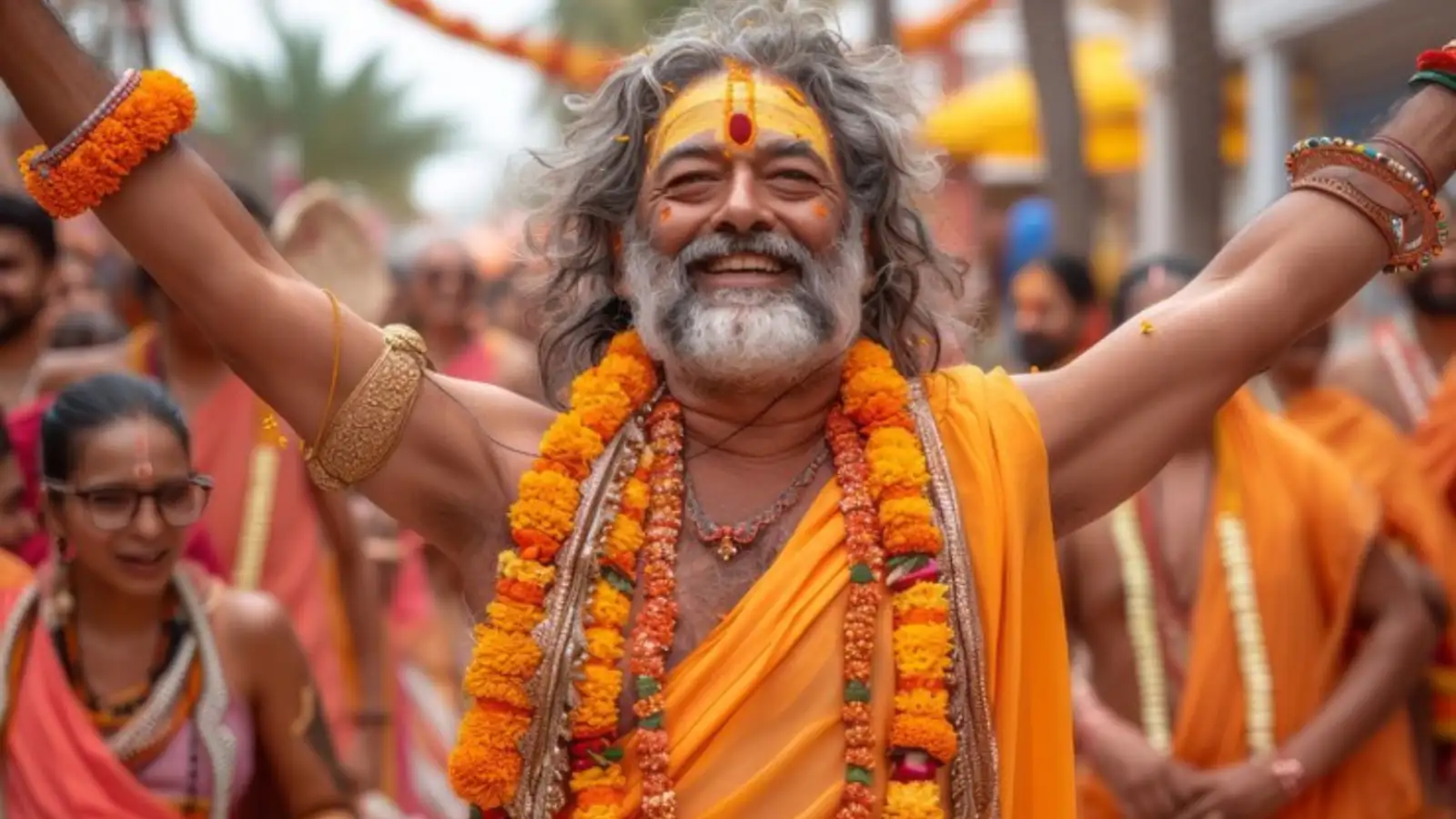
Scheduled from January 13, 2025, to February 26, 2025, the Maha Kumbh in Prayagraj promises to bring millions together under the spiritual guidance of Sadhus and saints, preserving traditions while embracing change.
Who Are the Sadhus?
Sadhus, also called Babas, are spiritual seekers who renounce worldly pleasures to pursue the ultimate goal of moksha - liberation from the cycle of birth and death. With their austere lifestyle and strict spiritual discipline, they serve as symbols of devotion. India is home to an estimated four to five million Sadhus, each deeply connected to Hindu philosophy.
The Historical Role of Sadhus in Kumbh Mela
Sadhus once wielded substantial influence during the Kumbh Mela, particularly in its early iterations. Before British colonial rule, these ascetics were instrumental in crowd management, hospitality, and even law enforcement at sites like Haridwar.
Their association with akharas - monastic orders established by Adi Shankaracharya in the 8th century - added layers to their responsibilities. These akharas unified Sadhus with shared practices, fostering their role as spiritual leaders and, at times, protectors skilled in scripture and weaponry.
Akharas: The Backbone of Sadhu Participation
Akharas serve as the backbone of Sadhu participation in the Kumbh Mela. These monastic orders represent various schools of thought and serve as hubs of spiritual and practical training. During the Kumbh Mela, members of these akharas come together in grand processions, captivating devotees with their striking presence.
Each akhara upholds the ideals of asceticism, spiritual learning, and safeguarding Sanatan Dharma, offering an enduring connection to ancient Hindu traditions .
Sadhus and Their Spiritual Journey at Kumbh
The Kumbh Mela is more than just a ritual for Sadhus - it is a vital chapter in their spiritual odyssey. For them, the act of bathing in the sacred Ganges during this period symbolizes liberation from sin and rebirth into spiritual purity.
Through their participation, Sadhus inspire millions, reminding devotees of the transcendental goals of life and the eternal wisdom enshrined in Hinduism.
The Evolving Role of Sadhus
Over time, the role of Sadhus in the Kumbh Mela has shifted. While they once managed administrative and judicial tasks, especially before British rule, modern governance has relegated them to spiritual leadership. However, their significance has not diminished.
Today, Sadhus serve as living embodiments of Hindu spirituality, captivating participants with their asceticism and philosophies. Their presence remains central to the Kumbh Mela's spiritual vibrancy, bridging the past with the present and keeping centuries-old traditions alive.
As the Maha Kumbh approaches in 2025, the presence of Sadhus will once again be at the heart of the celebration. Their timeless wisdom, devotion, and spiritual leadership promise to elevate this grand confluence into a transformative experience for all who attend.
Scheduled from January 13, 2025, to February 26, 2025, the Maha Kumbh in Prayagraj promises to bring millions together under the spiritual guidance of Sadhus and saints, preserving traditions while embracing change.
Who Are the Sadhus?
Sadhus, also called Babas, are spiritual seekers who renounce worldly pleasures to pursue the ultimate goal of moksha - liberation from the cycle of birth and death. With their austere lifestyle and strict spiritual discipline, they serve as symbols of devotion. India is home to an estimated four to five million Sadhus, each deeply connected to Hindu philosophy.
The Historical Role of Sadhus in Kumbh Mela
Sadhus once wielded substantial influence during the Kumbh Mela, particularly in its early iterations. Before British colonial rule, these ascetics were instrumental in crowd management, hospitality, and even law enforcement at sites like Haridwar.
Their association with akharas - monastic orders established by Adi Shankaracharya in the 8th century - added layers to their responsibilities. These akharas unified Sadhus with shared practices, fostering their role as spiritual leaders and, at times, protectors skilled in scripture and weaponry.
You may also like
- 17-Year-Old Shot Dead in Manipur, Leaders Condemn Violence
- Gujarat Police Seizes ₹86.63 Lakh Worth of Liquor in Rajkot, Eight Arrested
- New Selfie and Viewpoints Enhance Char Dham Yatra Experience in Uttarkashi
- No median cuts, surface intersections on future high-speed NH corridors: NHAI
- Speeding SUV Strikes Pilgrims in Himatnagar, One Dead and Eleven Injured
Akharas: The Backbone of Sadhu Participation
Akharas serve as the backbone of Sadhu participation in the Kumbh Mela. These monastic orders represent various schools of thought and serve as hubs of spiritual and practical training. During the Kumbh Mela, members of these akharas come together in grand processions, captivating devotees with their striking presence.
Each akhara upholds the ideals of asceticism, spiritual learning, and safeguarding Sanatan Dharma, offering an enduring connection to ancient Hindu traditions .
Sadhus and Their Spiritual Journey at Kumbh
The Kumbh Mela is more than just a ritual for Sadhus - it is a vital chapter in their spiritual odyssey. For them, the act of bathing in the sacred Ganges during this period symbolizes liberation from sin and rebirth into spiritual purity.
Through their participation, Sadhus inspire millions, reminding devotees of the transcendental goals of life and the eternal wisdom enshrined in Hinduism.
The Evolving Role of Sadhus
Over time, the role of Sadhus in the Kumbh Mela has shifted. While they once managed administrative and judicial tasks, especially before British rule, modern governance has relegated them to spiritual leadership. However, their significance has not diminished.
Today, Sadhus serve as living embodiments of Hindu spirituality, captivating participants with their asceticism and philosophies. Their presence remains central to the Kumbh Mela's spiritual vibrancy, bridging the past with the present and keeping centuries-old traditions alive.
As the Maha Kumbh approaches in 2025, the presence of Sadhus will once again be at the heart of the celebration. Their timeless wisdom, devotion, and spiritual leadership promise to elevate this grand confluence into a transformative experience for all who attend.






Loving Newspoint? Download the app now
