
Overshadowing History: How 'Dark Tourism' Is Changing the Vibe at Lohagad Fort

For centuries, Maharashtra’s ancient Lohagad Fort has stood as an undisputed crown jewel of the Sahyadri mountain range. Located roughly 65 kilometers from Pune and 100 kilometers from Mumbai, the 2,000-year-old architectural marvel sits at an elevation of 1,033 meters, attracting history buffs, photographers, and thousands of monsoon trekkers drawn to its iconic Vinchu Kata (Scorpion’s Tail) fortification.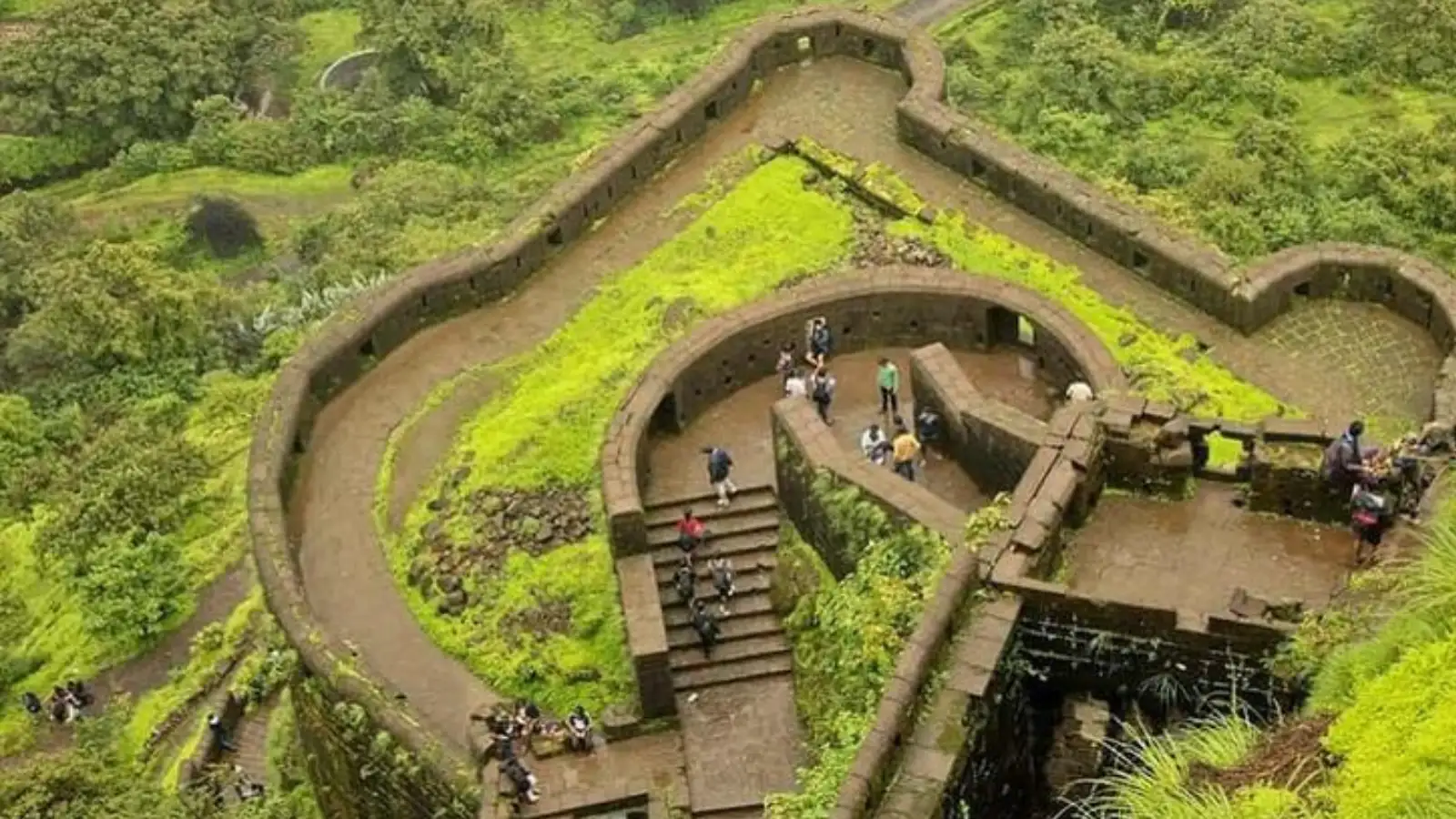
Today, however, the heavy atmosphere hanging over the fortress has drastically changed. According to reports from regional outlets like News18 Marathi, the fort is experiencing an unprecedented 25 percent surge in footfall but this sudden boom is driven by a morbid, unsettling trend known globally as " dark tourism ."
The shift stems from the tragic death of a man named Ketan Agarwal . According to the Pune Rural Police, Agarwal lost his life after being pushed from one of the fort's steep cliff edges. The subsequent arrest of his fiancée, Siya Goyal, alongside a co-accused named Chetan Chaudhary, triggered wall-to-wall media coverage and viral social media speculation.
As a result, the physical site of the crime scene has been unofficially christened by the internet as the "Siya Spot" or "Siya Point." Local guides working at the base village express deep dismay over the shift in visitor behavior, noting that tourists are routinely bypassing the historical gates to bluntly demand directions to the exact cliff edge. Shockingly, some over-curious visitors have even requested guides to physically stage and recreate the alleged sequence of events for their cameras.
To see an architectural symbol of Maratha military prowess overshadowed by viral internet sensationalism highlights the darker side of modern travel media. While the Lonavala Police have recently implemented temporary closure notices and strict zoning restrictions around the cliff boundaries to safely conduct crime-scene reconstructions, the long-term challenge remains psychological. For the future of Lohagad, the true test lies in whether the site can successfully shrug off its sudden true-crime notoriety and reclaim its identity as a place of historical reverence.
Today, however, the heavy atmosphere hanging over the fortress has drastically changed. According to reports from regional outlets like News18 Marathi, the fort is experiencing an unprecedented 25 percent surge in footfall but this sudden boom is driven by a morbid, unsettling trend known globally as " dark tourism ."
The Birth of " Siya Spot "
Dark tourism refers to the growing global phenomenon where travelers deliberately journey to sites associated with death, tragedy, disaster, or gruesome crimes. While famous international examples include the radioactive ruins of Chernobyl or New York's Ground Zero, Lohagad Fort has unexpectedly joined this list following a sensationalized criminal investigation that dominated news cycles.You may also like
- Doctors' Day Crackdown: Bhiwandi Civic Body Books 78 Alleged Fake Practitioners, Flags 33 Over Suspect Medical Credentials
- NET Sociology paper leaves candidates lost in typos
- 'You may try to crush BJP, but people have crush on BJP': Party to Telangana CM Revanth Reddy
- India, EU advance cooperation on sustainable ship recycling; 3 Indian yards ready for EU recognition
- EU, India have adjusted to new global order: EU Ambassador Herve Delphin
The shift stems from the tragic death of a man named Ketan Agarwal . According to the Pune Rural Police, Agarwal lost his life after being pushed from one of the fort's steep cliff edges. The subsequent arrest of his fiancée, Siya Goyal, alongside a co-accused named Chetan Chaudhary, triggered wall-to-wall media coverage and viral social media speculation.
As a result, the physical site of the crime scene has been unofficially christened by the internet as the "Siya Spot" or "Siya Point." Local guides working at the base village express deep dismay over the shift in visitor behavior, noting that tourists are routinely bypassing the historical gates to bluntly demand directions to the exact cliff edge. Shockingly, some over-curious visitors have even requested guides to physically stage and recreate the alleged sequence of events for their cameras.
Overshadowing a Glorious Heritage
This rapid descent into true-crime tourism has raised immense concerns among cultural preservationists and local authorities. Lohagad Fort is an incredibly significant heritage asset that has witnessed the rise and fall of several legendary dynasties, including the Satavahanas, Chalukyas, Rashtrakutas, and Yadavas, before being decisively captured by Chhatrapati Shivaji Maharaj in the 17th century.To see an architectural symbol of Maratha military prowess overshadowed by viral internet sensationalism highlights the darker side of modern travel media. While the Lonavala Police have recently implemented temporary closure notices and strict zoning restrictions around the cliff boundaries to safely conduct crime-scene reconstructions, the long-term challenge remains psychological. For the future of Lohagad, the true test lies in whether the site can successfully shrug off its sudden true-crime notoriety and reclaim its identity as a place of historical reverence.






More from our partners


Loving Newspoint? Download the app now
