
Where Did the Monsoon Go? Satellite Data Shows Rain Clouds Vanishing Over India in June 2026

Images captured by India's INSAT-3DS satellite on June 15, 2026 showed a striking absence of cloud activity over much of peninsular and central India at a time when the southwest monsoon is normally at its most active. Instead of the wide, unbroken band of moisture-laden clouds that typically defines June across the subcontinent, large parts of Maharashtra, Karnataka, Telangana, Andhra Pradesh and central India appeared almost entirely cloud-free. The most significant cloud concentration visible in the images was limited to the Himalayan foothills, northeastern states, and areas north of the Indo-Gangetic plains. Satellite data from the United States and Japan corroborated the Indian findings. The Arabian Sea branch of the monsoon, one of the two primary systems that drive rainfall across India, appeared particularly weak and fragmented.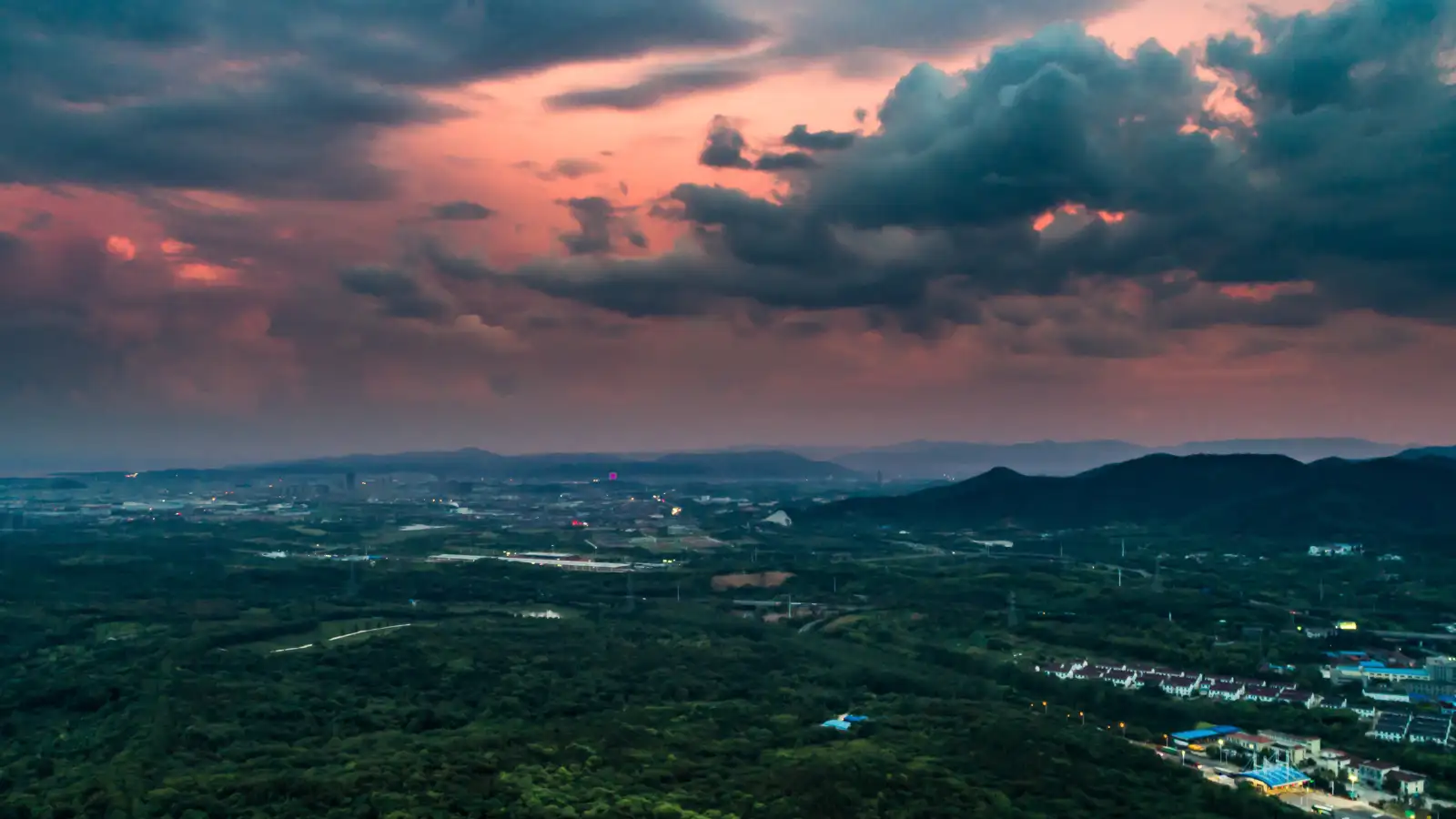
The upper-level westerly jet stream, a fast-moving band of winds in the upper atmosphere, had shifted southward to an unusual position for this time of year. This southward displacement interfered with the upper-level easterly jet, which plays a critical role in supporting the monsoon circulation by helping warm, moist air rise and form rain-bearing clouds.
With stronger-than-normal westerly winds suppressing this process, cloud formation was inhibited across large parts of the country even though abundant moisture was present at lower atmospheric levels. Experts described the situation as a classic break monsoon phase, a well-documented but infrequent temporary pause, driven by upper-atmospheric dynamics rather than oceanic conditions.
Mumbai received the monsoon on June 23. By June 24, the system had extended into parts of Gujarat and Madhya Pradesh. The IMD on June 25 confirmed that conditions were favourable for further advance into more parts of Gujarat, Madhya Pradesh, the remaining areas of Chhattisgarh, Jharkhand, Bihar, and some parts of Uttar Pradesh and Uttarakhand within three to four days. But geographic advance and meaningful rainfall are two different things, and the latter had remained persistently elusive across most of the country for weeks.
Strengthening moisture transport at mid-atmospheric levels pointed to the Arabian Sea branch of the monsoon beginning to regain some of its lost energy. Rainfall activity in Maharashtra, including heavy showers in Mumbai, Thane, and Palghar, began picking up by June 25, with orange and yellow alerts issued by the IMD.
Forecast models suggested that as the abnormal jet stream configuration weakened, monsoon circulation would gradually reorganise. However, experts cautioned that even with a recovery, the rainfall gap accumulated through June is substantial and would require significantly above-normal rainfall through July, August, and September to bring the seasonal average back to normal levels.
Delayed or inadequate sowing can affect crop yields and food prices downstream. Reservoir levels across several states, including Maharashtra, Karnataka, and Telangana, remained below normal for this period. Groundwater recharge, which depends on early monsoon rains penetrating the soil before evaporation rates are high, was also compromised.
The IMD's second-stage seasonal forecast had already projected an 84 percent probability of below-normal or worse monsoon rainfall for the country as a whole during the June to September season, with the Long Period Average seasonal rainfall expected to be around 90 percent of normal.
The Numbers Behind the Deficit
The visual evidence matched the rainfall data. According to IMD figures, India received just 19.2 mm of rain between June 4 and June 15, 2026, against a normal of 53.7 mm for the same period, representing a nationwide deficit of 64 percent. By June 22, the cumulative shortfall had narrowed slightly to 46 percent, with 53.1 mm recorded against a normal of 97.6 mm. Despite the marginal improvement, weather experts described June 2026 as potentially the driest since records began being maintained over a century ago. Large portions of central, northern, and peninsular India remained in the deficient or large-deficient rainfall category well into the third week of the month.What Caused the Clouds to Disappear
Meteorologists were clear that the problem was not a shortage of moisture over the Arabian Sea or the Bay of Bengal. Both remained moisture-rich. The disruption was atmospheric, occurring several kilometres above the Earth's surface.The upper-level westerly jet stream, a fast-moving band of winds in the upper atmosphere, had shifted southward to an unusual position for this time of year. This southward displacement interfered with the upper-level easterly jet, which plays a critical role in supporting the monsoon circulation by helping warm, moist air rise and form rain-bearing clouds.
With stronger-than-normal westerly winds suppressing this process, cloud formation was inhibited across large parts of the country even though abundant moisture was present at lower atmospheric levels. Experts described the situation as a classic break monsoon phase, a well-documented but infrequent temporary pause, driven by upper-atmospheric dynamics rather than oceanic conditions.
You may also like
- Land dispute turns fatal as man kills father with a tractor in Rajasthan
- 'Commendable efforts': PM Modi wishes birthday to Dharmendra Pradhan, gets community note on X
- 'Is this…reason to kill?' Siya Goyal discovered Ketan was balding
- Momo seller sustains burn injuries during roadside clearance for VIP movement in Jaipur
- Efforts on to address human-wildlife conflict in Kerala, says Cong leader Priyanka
Monsoon Advanced on the Map but Not in the Sky
One of the more confusing aspects of the 2026 monsoon pattern was that the system continued to advance geographically even as its rainfall output collapsed. The IMD announced successive advances of the southwest monsoon into parts of Karnataka, Telangana, Andhra Pradesh, Maharashtra, Chhattisgarh, Jharkhand, Bihar, West Bengal, and Odisha through the second and third weeks of June.Mumbai received the monsoon on June 23. By June 24, the system had extended into parts of Gujarat and Madhya Pradesh. The IMD on June 25 confirmed that conditions were favourable for further advance into more parts of Gujarat, Madhya Pradesh, the remaining areas of Chhattisgarh, Jharkhand, Bihar, and some parts of Uttar Pradesh and Uttarakhand within three to four days. But geographic advance and meaningful rainfall are two different things, and the latter had remained persistently elusive across most of the country for weeks.
Signs of Revival and What Comes Next
By the final week of June, forecasters began noting early signs of a partial recovery. Deep-layer monsoonal moisture had begun pushing into Mumbai and surrounding areas, and moist winds were spreading into south Gujarat.Strengthening moisture transport at mid-atmospheric levels pointed to the Arabian Sea branch of the monsoon beginning to regain some of its lost energy. Rainfall activity in Maharashtra, including heavy showers in Mumbai, Thane, and Palghar, began picking up by June 25, with orange and yellow alerts issued by the IMD.
Forecast models suggested that as the abnormal jet stream configuration weakened, monsoon circulation would gradually reorganise. However, experts cautioned that even with a recovery, the rainfall gap accumulated through June is substantial and would require significantly above-normal rainfall through July, August, and September to bring the seasonal average back to normal levels.
What This Means for Agriculture and Water Security
The implications of the June 2026 monsoon shortfall extend well beyond weather. India's Kharif crop sowing season, which depends heavily on timely June rainfall for crops including rice, soybean, cotton, and pulses, was directly disrupted by the prolonged dry spell.Delayed or inadequate sowing can affect crop yields and food prices downstream. Reservoir levels across several states, including Maharashtra, Karnataka, and Telangana, remained below normal for this period. Groundwater recharge, which depends on early monsoon rains penetrating the soil before evaporation rates are high, was also compromised.
The IMD's second-stage seasonal forecast had already projected an 84 percent probability of below-normal or worse monsoon rainfall for the country as a whole during the June to September season, with the Long Period Average seasonal rainfall expected to be around 90 percent of normal.






More from our partners


Loving Newspoint? Download the app now
