
Who Is Naresh Pal Gangwar? IAS Officer Replaces Vineet Joshi as Higher Education Secretary

In a significant top-level bureaucratic reshuffle, the Government of India has appointed senior Indian Administrative Service (IAS) officer Naresh Pal Gangwar as the new Secretary of the Department of Higher Education under the Ministry of Education. He replaces Vineet Joshi , a 1992-batch IAS officer who has been reassigned to serve as Secretary in the Department of Panchayati Raj.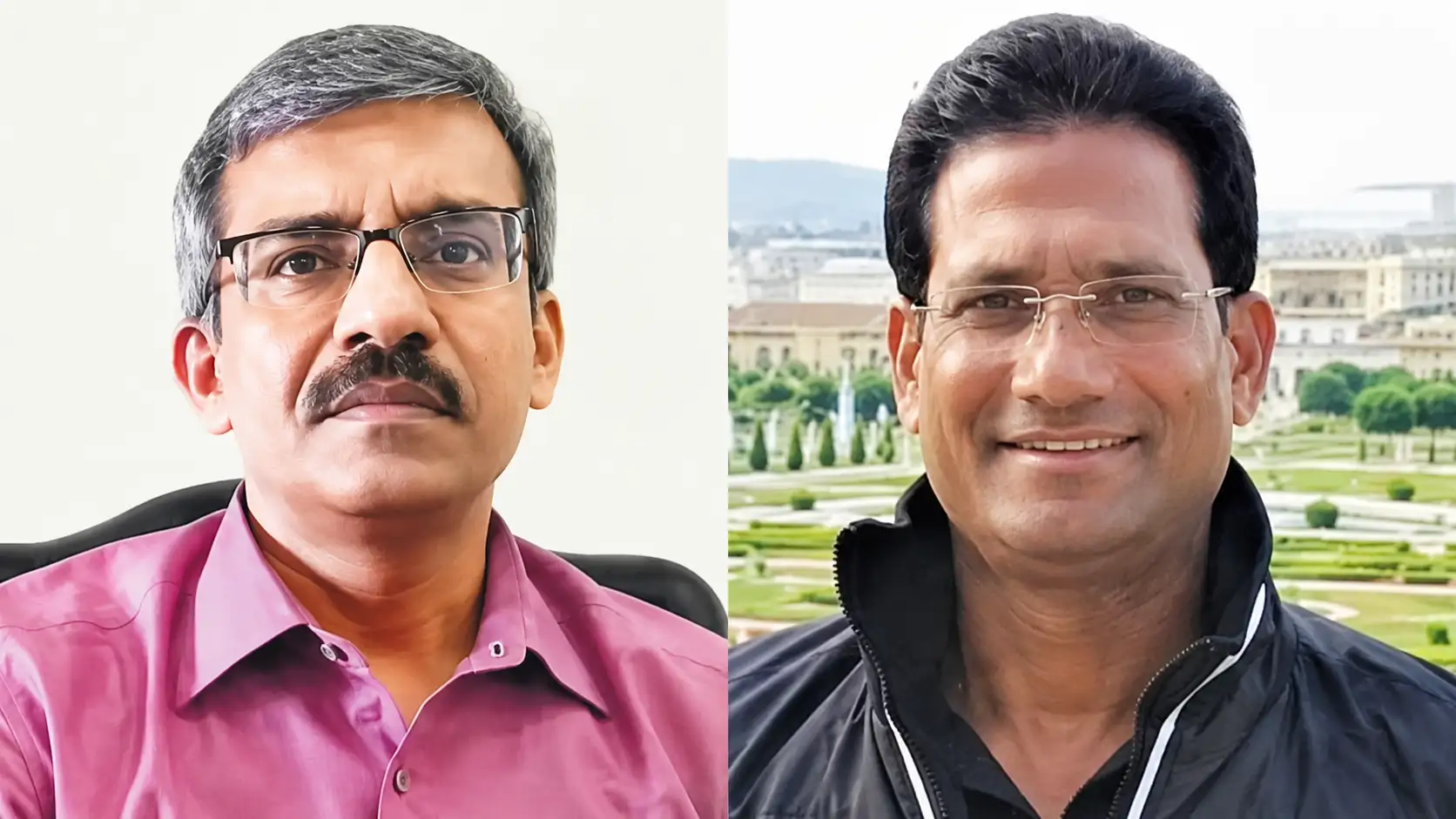
The decision, formalised by the Appointments Committee of the Cabinet (ACC), comes at a crucial juncture for India’s education sector . The Ministry of Education has faced intense scrutiny and widespread public demonstrations over reported irregularities and paper leak allegations surrounding major competitive examinations, particularly NEET-UG. As students, political groups, and educational activists demand systemic reform, transparency, and accountability, all eyes are on the incoming administrative head.
Gangwar brings a strong blend of technical expertise, economic knowledge, and administrative experience to his new leadership position. Born in October 1970, his academic credentials include a Bachelor of Technology (BTech) in Electronics and Communication Engineering from the prestigious IIT Roorkee (formerly University of Roorkee), followed by a Master of Technology (MTech) in Communication and Radar Engineering from IIT Delhi. To complement his technical foundation, he also earned a Master’s degree in Economics from the University of Rajasthan.
During his service in Rajasthan, he served as District Collector across multiple administrative districts, including Tonk, Sawai Madhopur, Jhalawar, Bharatpur, and Jodhpur. Crucially, Gangwar is no stranger to managing educational systems. In 2014, he was appointed Secretary of the School Education Department in the Rajasthan government, where he spent several years managing education policies, administrative frameworks, and governance reforms.
His tenure in Rajasthan also saw him leading key development initiatives, including serving as Principal Secretary across vital portfolios such as Energy, Agriculture, Industries, and Information Technology. He played a pivotal role in formulating Rajasthan’s early solar energy policies during the initial rollout of the National Solar Mission between 2010 and 2014. At the central level, he previously served as Additional Secretary in the Ministry of Environment, Forest and Climate Change, overseeing critical divisions related to pollution control and hazardous waste management.
To restore faith in national entrance testing, the central administration has taken active steps, including announcing designated fast-track courts under the Public Examinations (Prevention of Unfair Means) Act to prosecute instances of exam fraud swiftly.
The decision, formalised by the Appointments Committee of the Cabinet (ACC), comes at a crucial juncture for India’s education sector . The Ministry of Education has faced intense scrutiny and widespread public demonstrations over reported irregularities and paper leak allegations surrounding major competitive examinations, particularly NEET-UG. As students, political groups, and educational activists demand systemic reform, transparency, and accountability, all eyes are on the incoming administrative head.
Who Is Naresh Pal Gangwar?
Naresh Pal Gangwar is a highly seasoned 1994-batch IAS officer belonging to the Rajasthan cadre. Prior to his appointment as Higher Education Secretary , he served as Secretary in the Department of Animal Husbandry and Dairying under the Ministry of Fisheries, Animal Husbandry and Dairying.Gangwar brings a strong blend of technical expertise, economic knowledge, and administrative experience to his new leadership position. Born in October 1970, his academic credentials include a Bachelor of Technology (BTech) in Electronics and Communication Engineering from the prestigious IIT Roorkee (formerly University of Roorkee), followed by a Master of Technology (MTech) in Communication and Radar Engineering from IIT Delhi. To complement his technical foundation, he also earned a Master’s degree in Economics from the University of Rajasthan.
Extensive Administrative and Educational Experience
Throughout his three-decade-long career, Gangwar has handled diverse and complex portfolios at both state and central government levels.You may also like
- Bhojshala hearing: 2 Friday namaz missed, adjacent place not being allocated, Muslim side alleges
- SC bans uploading, sharing of audio, video recordings of hearings
- 'We were scared of Modi, Shah': Congress leader Aiyar joins Jantar Mantar protest, says students 'fearless'
- Neet's top 2 scorers: Protest is a right, reform is the answer
- 'End errors' surrounding NEET exam: SC tells Centre
During his service in Rajasthan, he served as District Collector across multiple administrative districts, including Tonk, Sawai Madhopur, Jhalawar, Bharatpur, and Jodhpur. Crucially, Gangwar is no stranger to managing educational systems. In 2014, he was appointed Secretary of the School Education Department in the Rajasthan government, where he spent several years managing education policies, administrative frameworks, and governance reforms.
His tenure in Rajasthan also saw him leading key development initiatives, including serving as Principal Secretary across vital portfolios such as Energy, Agriculture, Industries, and Information Technology. He played a pivotal role in formulating Rajasthan’s early solar energy policies during the initial rollout of the National Solar Mission between 2010 and 2014. At the central level, he previously served as Additional Secretary in the Ministry of Environment, Forest and Climate Change, overseeing critical divisions related to pollution control and hazardous waste management.
Context Behind the High-Level Transition
While official government notifications did not explicitly detail the political or operational motives behind the administrative swap, the transition takes place during a period of heightened sensitivity. Outgoing Secretary Vineet Joshi’s transfer to Panchayati Raj coincides with sustained public demands for administrative reform following the recent exam paper leak controversies.To restore faith in national entrance testing, the central administration has taken active steps, including announcing designated fast-track courts under the Public Examinations (Prevention of Unfair Means) Act to prosecute instances of exam fraud swiftly.
The Path Ahead
As Naresh Pal Gangwar takes charge of the Department of Higher Education, his primary challenge will involve restoring institutional trust, enforcing tighter oversight on national testing agencies, and advancing long-term policy goals outlined in the National Education Policy (NEP). His formidable academic background and decades of hands-on educational administration in Rajasthan position him well to navigate one of the nation's most demanding administrative roles.





Loving Newspoint? Download the app now
