
NCERT Faces Backlash Over ‘Dancing Girl’ Image Alteration in Class 9 Madhurima Textbook

The National Council of Educational Research and Training (NCERT) has once again found itself at the centre of a debate, this time over visual representation in school textbooks. The concern arises from Madhurima, a newly introduced arts education textbook for Class 9 students under the National Education Policy (NEP) framework.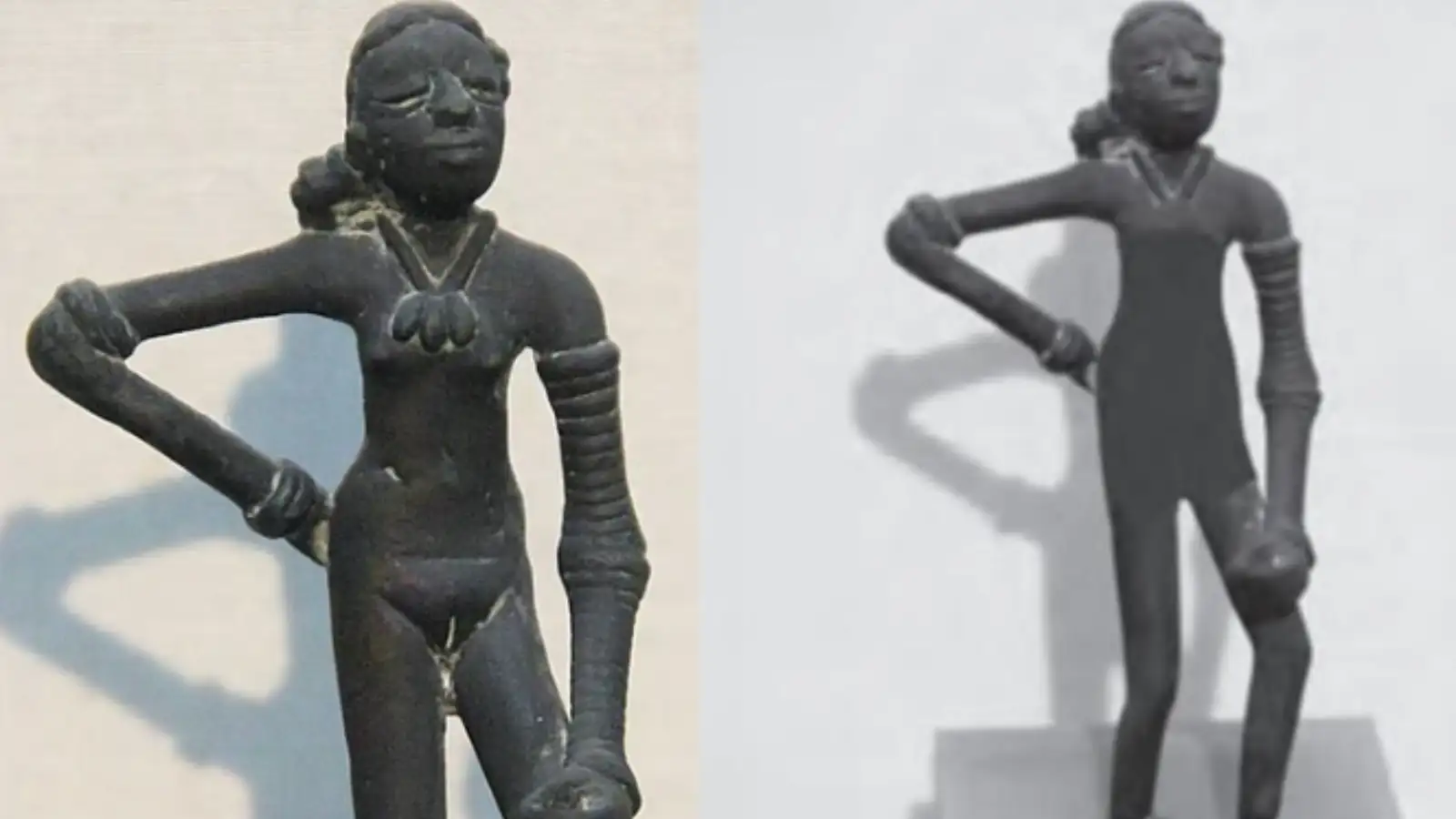
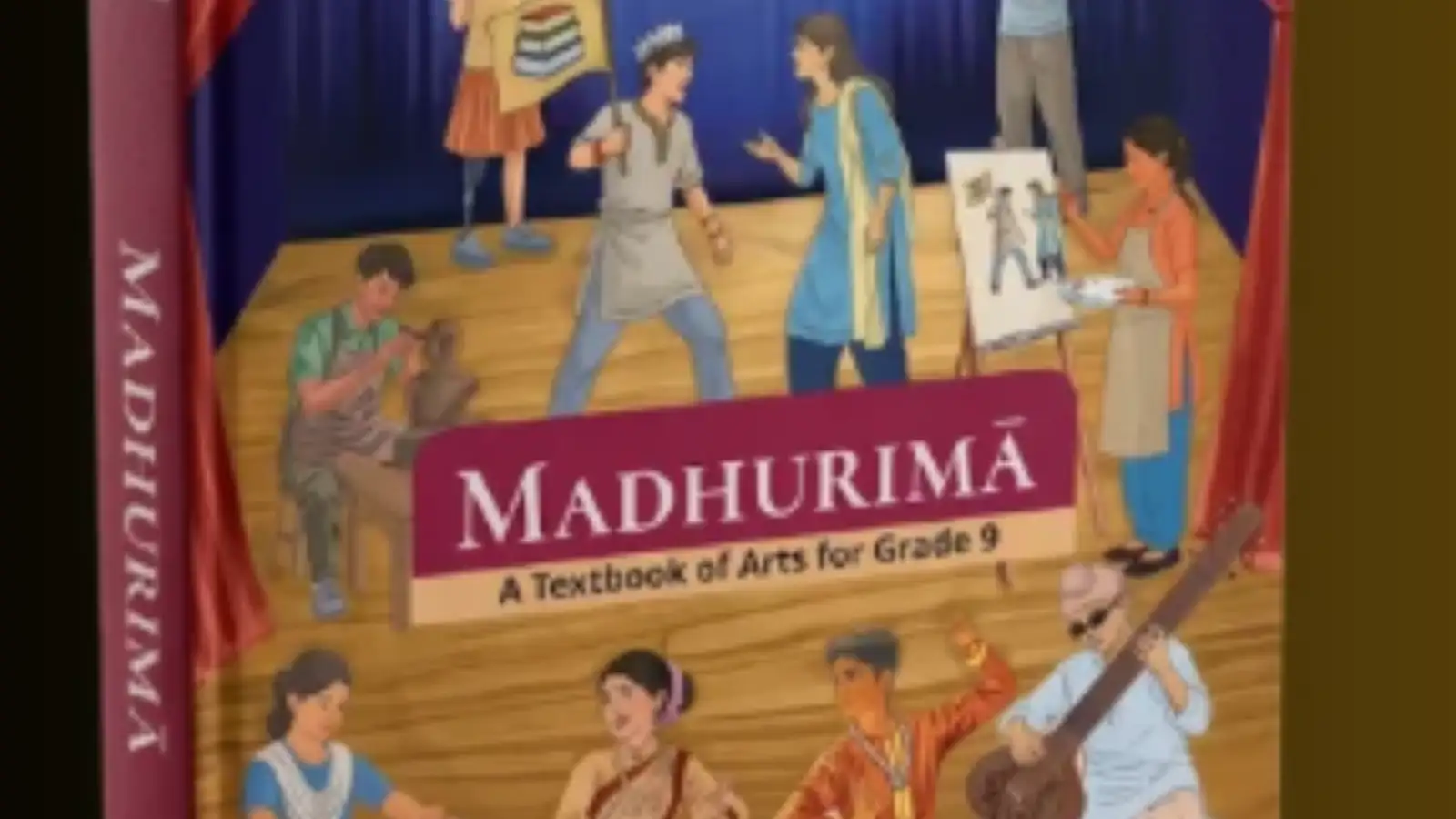
In the opening chapter titled History of Arts, educators and media observers noticed that the illustration of the iconic “Dancing Girl” bronze figurine from the Indus Valley Civilisation site of Mohenjo-daro appears to have been digitally altered. The original archaeological image, which is historically depicted in its authentic form, shows the figurine without clothing. However, the textbook version features dark shading over the torso, partially obscuring anatomical details and giving the impression of added clothing.
The modification has sparked criticism from sections of the academic community, as it marks a rare departure from the unaltered depiction of the artefact in Indian school textbooks over the past few decades. The figurine, which is housed in the National Museum in New Delhi, has traditionally been presented in its original form across earlier editions, including those published under previous administrations.
Adding to the confusion, the same artefact appears in its original, unedited form in NCERT’s Class 6 Social Science textbook, raising questions about consistency within the curriculum.
Historian Michel Danino, who was involved in the development of the Class 6 Social Science textbooks, has expressed concern over the alteration in the Class 9 edition, describing it as a potentially misleading representation of cultural heritage.
Danino stated that internal discussions within NCERT had previously raised concerns over the image being “not age-appropriate” due to nudity. However, he noted that consultations with middle-school educators indicated that the original depiction had not caused issues in classroom settings.
He further argued that digitally modifying the artefact risks distorting historical understanding, calling it a form of visual misrepresentation that undermines the authenticity of archaeological evidence. According to him, such changes may create confusion about ancient South Asian art and craftsmanship. NCERT officials have reportedly acknowledged the discrepancy and indicated that the matter is under internal review by relevant academic departments.
In the opening chapter titled History of Arts, educators and media observers noticed that the illustration of the iconic “Dancing Girl” bronze figurine from the Indus Valley Civilisation site of Mohenjo-daro appears to have been digitally altered. The original archaeological image, which is historically depicted in its authentic form, shows the figurine without clothing. However, the textbook version features dark shading over the torso, partially obscuring anatomical details and giving the impression of added clothing.
The modification has sparked criticism from sections of the academic community, as it marks a rare departure from the unaltered depiction of the artefact in Indian school textbooks over the past few decades. The figurine, which is housed in the National Museum in New Delhi, has traditionally been presented in its original form across earlier editions, including those published under previous administrations.
You may also like
- PM Modi conferred Slovakia's highest honour, his 33rd global honour
- Inside Uttar Pradesh's policing overhaul: Technology, crime control and governance reforms
- UPSC declares civil services prelims result, over 13,300 qualify
- After criticism, NCERT to restore original 'Dancing Girl' image in school textbook
- Govt brings chemical used to make mephedrone drug under regulation
Adding to the confusion, the same artefact appears in its original, unedited form in NCERT’s Class 6 Social Science textbook, raising questions about consistency within the curriculum.
Historian Michel Danino, who was involved in the development of the Class 6 Social Science textbooks, has expressed concern over the alteration in the Class 9 edition, describing it as a potentially misleading representation of cultural heritage.
Danino stated that internal discussions within NCERT had previously raised concerns over the image being “not age-appropriate” due to nudity. However, he noted that consultations with middle-school educators indicated that the original depiction had not caused issues in classroom settings.
He further argued that digitally modifying the artefact risks distorting historical understanding, calling it a form of visual misrepresentation that undermines the authenticity of archaeological evidence. According to him, such changes may create confusion about ancient South Asian art and craftsmanship. NCERT officials have reportedly acknowledged the discrepancy and indicated that the matter is under internal review by relevant academic departments.






More from our partners


Loving Newspoint? Download the app now
