
New Assam Bill Makes Muslim Marriage And Divorce Registration Compulsory

The Assam government has taken a significant step by mandating the registration of all Muslim marriages and divorces under a newly introduced law. The Assam Compulsory Registration of Muslim Marriage and Divorce Bill, 2024, which was recently passed, aims to ensure that every Muslim marriage and divorce in the state is documented. According to Chief Minister Himanta Biswa Sarma , this law does not “interfere in any way” with the practices of Muslim marriages and divorces.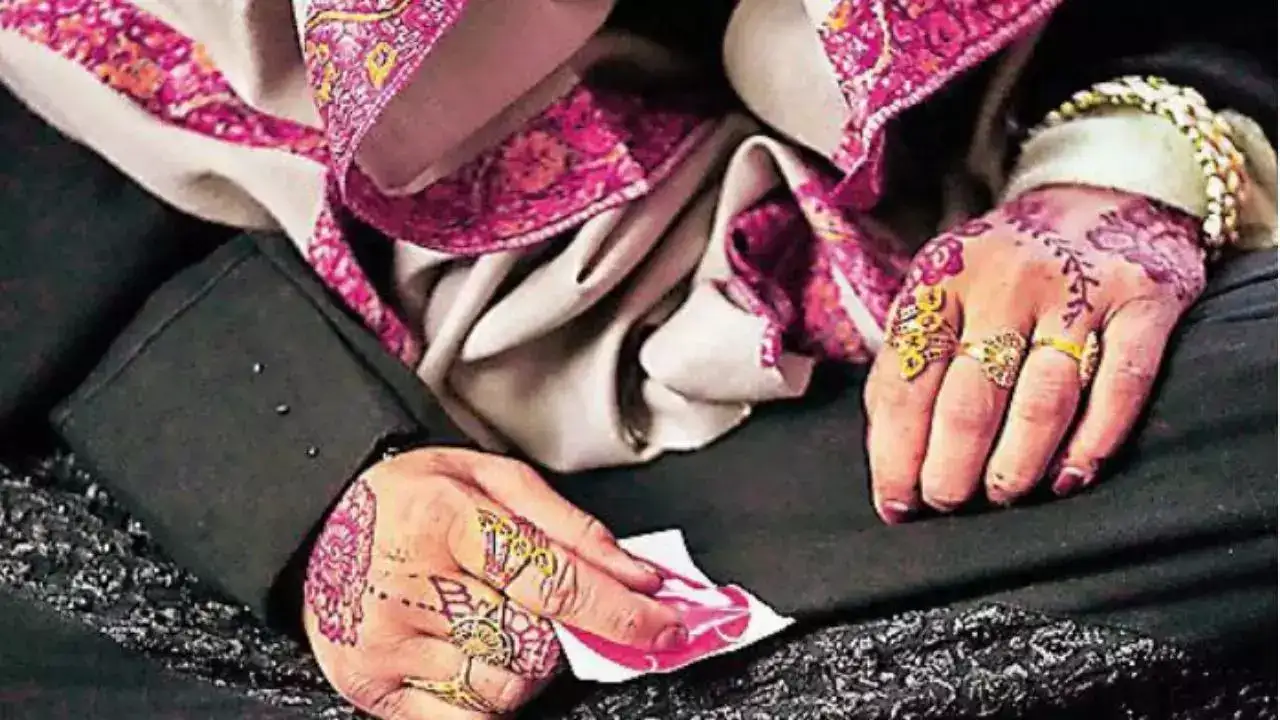
“This Act will now make it mandatory to register marriages with the government and cannot contravene the legal age of marriage of 18 years for girls and 21 years for boys. It will also act as a strict deterrent against teenage pregnancy and improve the overall growth of girls,” Sarma emphasized. He also noted that the mandatory registration of marriages aligns with a Supreme Court order.
The Assam Compulsory Registration of Muslim Marriage and Divorce Bill, 2024, which was passed on August 28, replaces an 89-year-old law that had been in place.
Overview of the Previous Law
The previous law, known as the Assam Muslim Marriages and Divorce Registration Act, 1935, permitted the registration of marriages and divorces through Kazis , Muslim scholars authorized by the state government. However, it was not compulsory. The 1935 law allowed the registration of marriages and divorces involving minors if their guardians applied, and it initially made registration voluntary. A significant change occurred in 2010 with the introduction of Section 2A, making registration mandatory. The old law, however, did not specify any legal age for marriage.
The 1935 Act also included a 'saving' clause under Section 24, which stated that the validity of a Muslim marriage or divorce could not be challenged solely based on the absence of registration. However, registration did not automatically confer legal validity to a marriage or divorce.
Key Provisions of the New Bill
The new law introduces several key provisions aimed at ensuring the proper registration of Muslim marriages and divorces. According to Section 4, couples intending to marry or already married must notify the Marriage and Divorce Register of the district where at least one party has resided for no less than 30 days.
Section 5 requires the Marriage and Divorce Register to publish this notice in an office. If one of the partners resides outside the registrar's jurisdiction, the notice must be displayed in the district office where the other partner resides.
As per Section 3, a marriage can only be registered if a proper marriage ceremony has been conducted, and the couple has lived as husband and wife. Additionally, the parties must have resided in the district for at least 30 days before the marriage date.
In cases where the officer discovers that either party is underage, they must immediately report it to the jurisdictional Child Marriage Protection Officer , as appointed under the Prohibition of Child Marriage Act, 2006. The officer is also required to transmit all relevant records for the prosecution of those violating the law and for initiating appropriate legal action.
Violations of the new law can result in imprisonment for up to one year and a fine of up to Rs 50,000. The Bill also states that its provisions are supplementary to existing Muslim personal laws.
Mixed Reactions
The new legislation has sparked diverse reactions. All India United Democratic Front (AIUDF) legislator Aminul Islam raised concerns about the necessity of introducing a new law, suggesting that the government could have amended the existing one instead. He argued that the new law aims to eliminate the role of Kazis in Muslim marriages and divorces, a role protected under the Kazis Act of 1880. “The move of bringing in the new legislation was to remove the role of Kazis in Muslim marriages and divorces. But the role of Kazis is governed by the Kazis Act 1880. It’s an old colonial law. How can a state government stop this provision?” Islam stated in the assembly.
Chief Minister Sarma responded by explaining that the government's intent was to remove the involvement of Kazis, citing the previous year’s crackdown on child marriages. The crackdown led to over 4,000 arrests, including men who married underage girls and the religious functionaries who solemnized these marriages. Sarma said, “…We found that the kazis register child marriages… When the cases came up in the High Court, they said that they have the power to register child marriages…and…the High Court gave them bail because kazis have the power to register child marriages under the Muslim Marriage and Divorce Registration Act… It means that they (kazis) are not opposed to child marriage in principle,” Sarma added, underscoring that government registration will increase accountability, as quoted by The Indian Express.
Sarma also informed the Assembly that there are currently 90 Kazis in the state, most of whom are government teachers.
The decision to repeal the 1935 Act was made by the Cabinet in February, followed by an Ordinance in March, which effectively repealed the old law. The Assam Repealing Bill, 2024, was passed by the Assembly on Thursday, officially replacing the Ordinance.
The government has made it clear that the removal of the 1935 Act was driven by the need to prevent the registration of marriages involving minors.
“This Act will now make it mandatory to register marriages with the government and cannot contravene the legal age of marriage of 18 years for girls and 21 years for boys. It will also act as a strict deterrent against teenage pregnancy and improve the overall growth of girls,” Sarma emphasized. He also noted that the mandatory registration of marriages aligns with a Supreme Court order.
The Assam Compulsory Registration of Muslim Marriage and Divorce Bill, 2024, which was passed on August 28, replaces an 89-year-old law that had been in place.
Overview of the Previous Law
The previous law, known as the Assam Muslim Marriages and Divorce Registration Act, 1935, permitted the registration of marriages and divorces through Kazis , Muslim scholars authorized by the state government. However, it was not compulsory. The 1935 law allowed the registration of marriages and divorces involving minors if their guardians applied, and it initially made registration voluntary. A significant change occurred in 2010 with the introduction of Section 2A, making registration mandatory. The old law, however, did not specify any legal age for marriage.
The 1935 Act also included a 'saving' clause under Section 24, which stated that the validity of a Muslim marriage or divorce could not be challenged solely based on the absence of registration. However, registration did not automatically confer legal validity to a marriage or divorce.
Key Provisions of the New Bill
The new law introduces several key provisions aimed at ensuring the proper registration of Muslim marriages and divorces. According to Section 4, couples intending to marry or already married must notify the Marriage and Divorce Register of the district where at least one party has resided for no less than 30 days.
Section 5 requires the Marriage and Divorce Register to publish this notice in an office. If one of the partners resides outside the registrar's jurisdiction, the notice must be displayed in the district office where the other partner resides.
As per Section 3, a marriage can only be registered if a proper marriage ceremony has been conducted, and the couple has lived as husband and wife. Additionally, the parties must have resided in the district for at least 30 days before the marriage date.
In cases where the officer discovers that either party is underage, they must immediately report it to the jurisdictional Child Marriage Protection Officer , as appointed under the Prohibition of Child Marriage Act, 2006. The officer is also required to transmit all relevant records for the prosecution of those violating the law and for initiating appropriate legal action.
You may also like
- 'Naxalites can't make law': Heated exchange between lawyers during Vande Mataram SC hearing
- IGIA immigration lapse: 'Entire hub, spoke ecosystem strengthened now,' says Naidu
- Police Uncover Major Theft in Noida, Recover Jewelry and Cash Worth ₹16 Lakhs from Minor
- Vice President Emphasizes Water Management for National Security at International Water Week
- The Times of India Group announces World Spirituality Summit: Shanti Manthan 2026 in New Delhi
Violations of the new law can result in imprisonment for up to one year and a fine of up to Rs 50,000. The Bill also states that its provisions are supplementary to existing Muslim personal laws.
Mixed Reactions
The new legislation has sparked diverse reactions. All India United Democratic Front (AIUDF) legislator Aminul Islam raised concerns about the necessity of introducing a new law, suggesting that the government could have amended the existing one instead. He argued that the new law aims to eliminate the role of Kazis in Muslim marriages and divorces, a role protected under the Kazis Act of 1880. “The move of bringing in the new legislation was to remove the role of Kazis in Muslim marriages and divorces. But the role of Kazis is governed by the Kazis Act 1880. It’s an old colonial law. How can a state government stop this provision?” Islam stated in the assembly.
Chief Minister Sarma responded by explaining that the government's intent was to remove the involvement of Kazis, citing the previous year’s crackdown on child marriages. The crackdown led to over 4,000 arrests, including men who married underage girls and the religious functionaries who solemnized these marriages. Sarma said, “…We found that the kazis register child marriages… When the cases came up in the High Court, they said that they have the power to register child marriages…and…the High Court gave them bail because kazis have the power to register child marriages under the Muslim Marriage and Divorce Registration Act… It means that they (kazis) are not opposed to child marriage in principle,” Sarma added, underscoring that government registration will increase accountability, as quoted by The Indian Express.
Sarma also informed the Assembly that there are currently 90 Kazis in the state, most of whom are government teachers.
The decision to repeal the 1935 Act was made by the Cabinet in February, followed by an Ordinance in March, which effectively repealed the old law. The Assam Repealing Bill, 2024, was passed by the Assembly on Thursday, officially replacing the Ordinance.
The government has made it clear that the removal of the 1935 Act was driven by the need to prevent the registration of marriages involving minors.






Loving Newspoint? Download the app now
