
New Toll Tax Rules Bring Relief For Highway Users As Charges On Bridges And Tunnels Could Fall

Drivers and transporters using national highways may see lower toll bills when their routes include expensive infrastructure such as long bridges, tunnels, flyovers or elevated roads. The revised system changes how these stretches are converted into tollable road length and requires the lower-cost calculation to be used. According to experts, the move could offer meaningful relief on routes with lengthy special structures, where the earlier formula often resulted in substantially higher charges.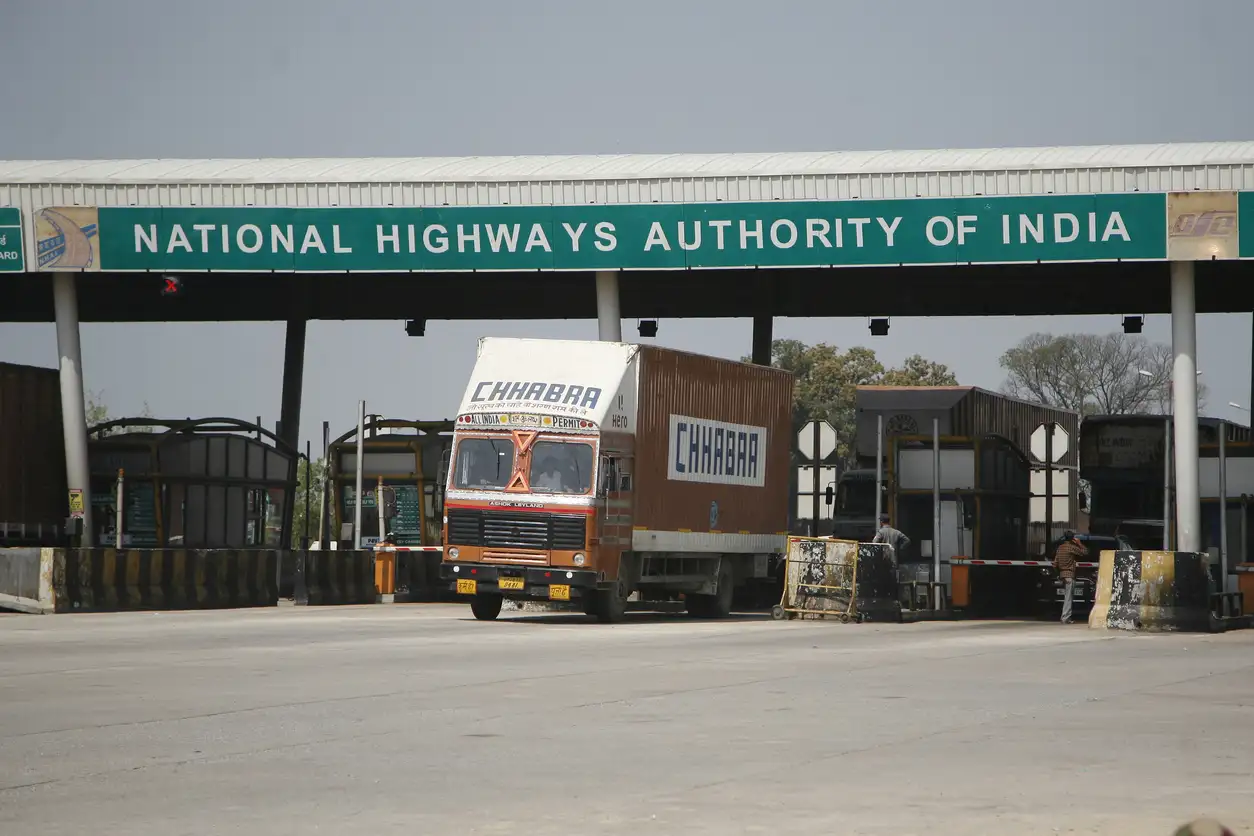
The Ministry of Road Transport and Highways has amended the National Highway Fee Rules, prompting the National Highways Authority of India to begin the process of revising toll calculations. Regional offices have been directed to examine existing rates and take steps to implement the revised method.
Under the first method, the length of the special structure is multiplied by 10. The length of the ordinary road section is then added to that figure.
The second method takes the total length of the entire highway section and multiplies it by five.
The key change is that toll authorities must use whichever of the two calculations produces the lower effective length. In practical terms, the formula that results in a lower toll burden for road users will take precedence.
The revised rules also provide that bridges measuring 60 metres or less do not require this additional calculation process.
For example, a five-kilometre tunnel could be treated as equivalent to 50 kilometres of standard highway for toll calculation purposes. While the system was designed to account for the higher cost of building and maintaining such infrastructure, it could also significantly increase the amount paid by motorists.
The impact was particularly noticeable on routes with long elevated sections, major bridges and tunnels. According to industry observers, the revised approach is intended to balance the cost of specialised infrastructure with the need to prevent disproportionate toll charges for road users.
Using the first formula, the calculation would be:
30 × 10 + 10 = 310 kilometres
The second formula, however, would calculate the entire 40-kilometre stretch at five times its length:
40 × 5 = 200 kilometres
Since the lower figure must be selected, tolls would be calculated on the basis of 200 kilometres rather than 310 kilometres.
That represents a substantial reduction in the effective distance used for toll collection and could translate into significantly lower charges, depending on the applicable toll rate.
Under the first formula:
10 × 10 + 30 = 130 kilometres
Under the second formula:
40 × 5 = 200 kilometres
In this case, the first calculation is lower. Therefore, the toll would be based on an effective length of 130 kilometres.
These examples show how the revised system is designed to avoid automatically applying the calculation that produces the higher charge. Depending on the proportion of special structures in a highway section, either formula could result in the lower tollable distance.
The actual saving will depend on the length and type of the special structure, the total highway distance and the applicable toll rate. The change is therefore not expected to result in an identical reduction across all routes.
For frequent highway users, particularly those travelling through long tunnels, bridges and elevated corridors, the revised calculation could nevertheless make a noticeable difference to overall travel expenses.
The Ministry of Road Transport and Highways has amended the National Highway Fee Rules, prompting the National Highways Authority of India to begin the process of revising toll calculations. Regional offices have been directed to examine existing rates and take steps to implement the revised method.
Two Formulas Will Now Be Used For Toll Calculation
The updated framework provides two separate methods for calculating the effective length of a highway section containing a bridge, tunnel or another qualifying structure.Under the first method, the length of the special structure is multiplied by 10. The length of the ordinary road section is then added to that figure.
The second method takes the total length of the entire highway section and multiplies it by five.
The key change is that toll authorities must use whichever of the two calculations produces the lower effective length. In practical terms, the formula that results in a lower toll burden for road users will take precedence.
The revised rules also provide that bridges measuring 60 metres or less do not require this additional calculation process.
Why The Earlier System Often Led To Higher Tolls
Special highway structures typically involve greater construction, maintenance and operating costs than conventional road sections. Under the previous calculation method, this difference was reflected through a 10-times multiplier.For example, a five-kilometre tunnel could be treated as equivalent to 50 kilometres of standard highway for toll calculation purposes. While the system was designed to account for the higher cost of building and maintaining such infrastructure, it could also significantly increase the amount paid by motorists.
The impact was particularly noticeable on routes with long elevated sections, major bridges and tunnels. According to industry observers, the revised approach is intended to balance the cost of specialised infrastructure with the need to prevent disproportionate toll charges for road users.
Example One Shows How The New Formula Can Reduce The Charge
Consider a 40-kilometre highway section that includes 30 kilometres of elevated road and 10 kilometres of regular road.Using the first formula, the calculation would be:
30 × 10 + 10 = 310 kilometres
The second formula, however, would calculate the entire 40-kilometre stretch at five times its length:
40 × 5 = 200 kilometres
Since the lower figure must be selected, tolls would be calculated on the basis of 200 kilometres rather than 310 kilometres.
That represents a substantial reduction in the effective distance used for toll collection and could translate into significantly lower charges, depending on the applicable toll rate.
The Lower Figure Will Be Chosen In The Second Scenario
Now consider another 40-kilometre highway section, but this time with 10 kilometres of bridge or elevated structure and 30 kilometres of ordinary road.Under the first formula:
You may also like
- Govt mulls PM Surya Ghar 2.0 with battery storage, shared rooftop solar
- MEA summons Ukraine ambassador after attack on ship with 4 Indians on board
- 'No one can change his decision': Karnataka minister Yathindra says father Siddaramaiah 'firm' on skipping 2028 polls
- 'Dharmendra Pradhan Zindabad': Ex-education minister gets rousing welcome in Parliament; oppn fumes
- E20 petrol row: Nitin Gadkari moves Bombay HC over 'defamatory' posts, deepfake videos targeting him
10 × 10 + 30 = 130 kilometres
Under the second formula:
40 × 5 = 200 kilometres
In this case, the first calculation is lower. Therefore, the toll would be based on an effective length of 130 kilometres.
These examples show how the revised system is designed to avoid automatically applying the calculation that produces the higher charge. Depending on the proportion of special structures in a highway section, either formula could result in the lower tollable distance.
Toll Savings Could Reach Up To 40% In Some Cases
The revised method could reduce the effective distance used for toll calculation by around 40% in certain situations. As a result, toll rates may also fall by up to approximately 40% where the new formula produces a significantly lower figure than the earlier system.The actual saving will depend on the length and type of the special structure, the total highway distance and the applicable toll rate. The change is therefore not expected to result in an identical reduction across all routes.
For frequent highway users, particularly those travelling through long tunnels, bridges and elevated corridors, the revised calculation could nevertheless make a noticeable difference to overall travel expenses.






Loving Newspoint? Download the app now
