
Breaking Barriers: How Niharika Singhania Overcame Global Quarantine Hurdles for the Asian Games 2026

Equestrian sports present a unique logistical challenge unlike any other discipline on the global sporting calendar. Success relies on an intricate, unspoken partnership between an elite human athlete and a highly sensitive equine athlete. For Indian riders, however, the primary battle often takes place far outside the arena, long before they ever face a fence.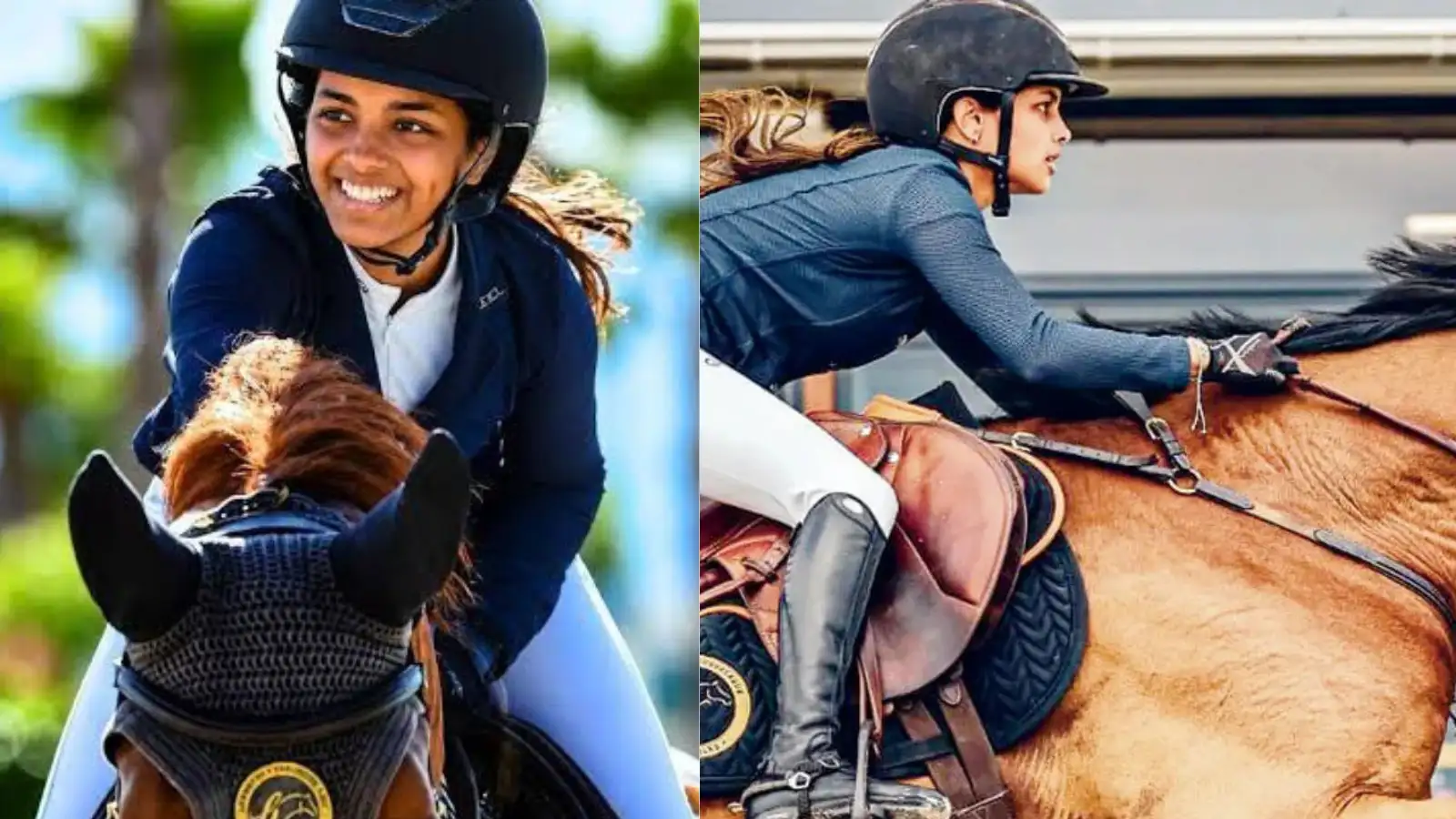
Due to strict international biosecurity laws and stringent quarantine protocols aimed at preventing the spread of diseases like African Horse Sickness, transporting horses directly out of India to premium global competitions is incredibly difficult. This barrier has historically forced talented domestic riders into early retirement or severely restricted their competitive growth.
By immersing herself in the highly competitive European or Middle Eastern equestrian circuits, she gained direct access to elite equine bloodlines already cleared by international health authorities. This proactive, international strategy allowed her to seamlessly move across borders, log consistent competition hours, and secure the vital qualification scores required for the 2026 Asian Games without hitting biosecurity walls.
Balancing Biological Connection with High-Speed Precision
Show jumping at the Asian Games level demands a staggering degree of athletic coordination. Riders must guide a half-ton animal through a complex sequence of twelve to fifteen obstacles towering up to 1.50 meters high, with point-penalties ticking away for every fraction of a second over the time allowed or every rail clipped.
Building a championship-level connection with a new equine partner in a foreign country requires hours of daily, grueling patience - a reality Singhania embraced head-on to prove her mettle to selectors.
By demonstrating that tactical planning can dismantle administrative barriers, Niharika Singhania has not only earned her place at the 2026 Asian Games—she has mapped out a vital new path for the future of Indian equestrian sports.
Due to strict international biosecurity laws and stringent quarantine protocols aimed at preventing the spread of diseases like African Horse Sickness, transporting horses directly out of India to premium global competitions is incredibly difficult. This barrier has historically forced talented domestic riders into early retirement or severely restricted their competitive growth.
Niharika Singhania 's Strategic Pivot
Nineteen-year-old Niharika Singhania refused to let structural logistics derail her childhood dream of continental glory. Recognizing early on that trying to train locally and fly an Indian-based horse out to international qualifiers was a logistical dead-end, Singhania made a bold, life-changing decision to relocate her entire athletic training base abroad.By immersing herself in the highly competitive European or Middle Eastern equestrian circuits, she gained direct access to elite equine bloodlines already cleared by international health authorities. This proactive, international strategy allowed her to seamlessly move across borders, log consistent competition hours, and secure the vital qualification scores required for the 2026 Asian Games without hitting biosecurity walls.
A Lonely, Historic Milestone
The announcement of the official national equestrian squad solidified Singhania's status as a true trailblazer for female athletes in India:You may also like
- 'INS Sudarshini represents finest tradition of Indian maritime heritage'
- After Ayodhya, Badrinath, donation row at Madhya Pradesh's Baglamukhi Temple
- 'I am being kept under police watch': Mamata Banerjee accuses cops of acting like 'BJP cadres'
- 2027 NEET-UG plan: Computer-based test to be spread over 6 days across more than 1,000 centres
- ED freezes TMC's bank deposits worth Rs 440 crore under PMLA
- The Lone Female Competitor: Out of a heavily male-dominated contingent, Singhania stands tall as the only Indian woman to qualify for the high-stakes show jumping events at this edition of the Asian Games.
- A New Era of Visibility: Her inclusion marks a monumental shift for young women eyeing the demanding world of show jumping, a sport that requires absolute financial commitment, structural planning, and deep psychological grit.
Balancing Biological Connection with High-Speed Precision
Show jumping at the Asian Games level demands a staggering degree of athletic coordination. Riders must guide a half-ton animal through a complex sequence of twelve to fifteen obstacles towering up to 1.50 meters high, with point-penalties ticking away for every fraction of a second over the time allowed or every rail clipped.
Building a championship-level connection with a new equine partner in a foreign country requires hours of daily, grueling patience - a reality Singhania embraced head-on to prove her mettle to selectors.
Inspiring a Systemic Shift
While Singhania prepares to enter the international stadium with medals on her mind, her journey serves as a powerful wake-up call for sports administrators across India. Her success highlights the urgent need for a more modernized domestic quarantine infrastructure and formalized international agreements to protect future generations from having to leave home just to compete.By demonstrating that tactical planning can dismantle administrative barriers, Niharika Singhania has not only earned her place at the 2026 Asian Games—she has mapped out a vital new path for the future of Indian equestrian sports.






Loving Newspoint? Download the app now
