
‘Preventing Exam Leaks is a National Duty’: PM Modi Demands Strict Penalties Amid NEET Controversy

Prime Minister Narendra Modi has described the prevention of examination paper leaks as a vital "national responsibility", asserting that the country's youth deserve absolute fairness and that those orchestrating examination malpractices must face the harshest legal consequences.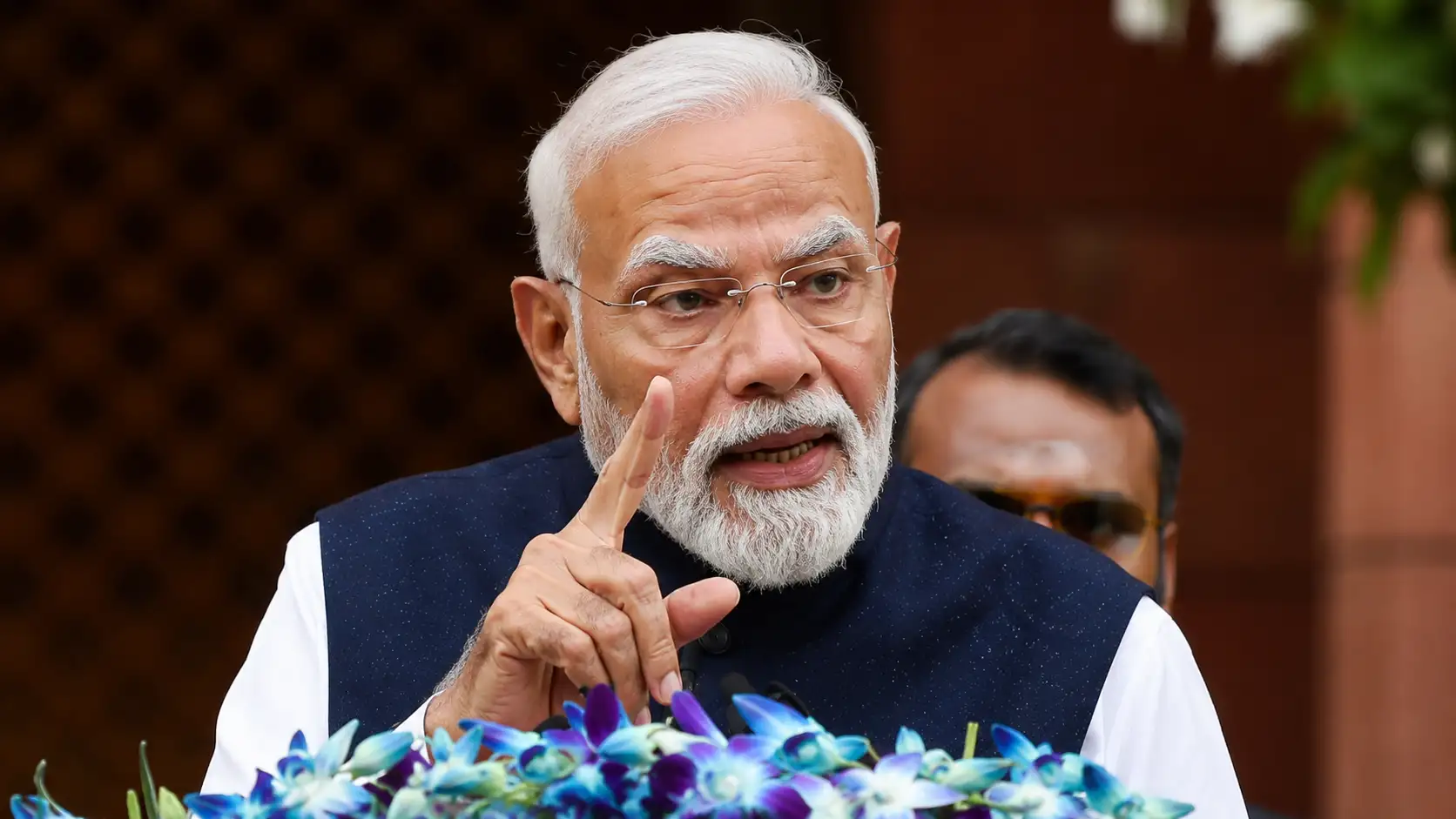
Addressing members during the National Democratic Alliance (NDA) Parliamentary Party meeting in New Delhi, the Prime Minister emphasised that the integrity of competitive assessments cannot be compromised under any circumstances. His remarks come amidst heightened political friction and public outrage over irregularities surrounding the National Eligibility Entrance Test (NEET) and related national competitive examinations.
According to official briefings, law enforcement agencies have arrested 13 individuals allegedly connected to the breach, with suspects currently remanded in judicial custody. Prime Minister Modi stressed that his administration acted decisively to protect the interests of student candidates by ensuring a swift re-examination was organised to prevent long-term academic disruption.
Furthermore, the Prime Minister called upon top legal experts and law enforcement bodies to pursue exemplary punishment against members of paper leak syndicates, ensuring that legal proceedings serve as a robust deterrent against future malpractices.
"Political differences may exist, but all parliamentarians carry a shared duty toward the welfare of the nation’s youth," Minister Rijiju quoted the Prime Minister as saying, adding that the government remains committed to implementing structural reforms aimed at establishing a completely foolproof examination infrastructure.
The remarks follow major public demonstrations in the national capital, including rallies by student groups such as the satirical Cockroach Janta Party (CJP) demanding institutional accountability and the resignation of key education ministry officials. Government representatives, including Union Minister J.P. Nadda, have recently met with student representatives to discuss their grievances in a bid to restore public confidence.
Enforcing stricter legislative frameworks
To further safeguard national testing procedures, the government has highlighted the enforcement of stringent statutory provisions, such as the Public Examinations (Prevention of Unfair Means) Act. The legislation introduces severe penalties including non-bailable imprisonment ranging between three and five years, alongside substantial monetary fines for individuals and organised groups participating in paper leaks, unauthorised centre breaches, or pre-exam disclosures.
Central authorities maintained that multi-agency investigations remain active to unearth the broader network involved in exam fraud, reassuring candidates across the country that merit alone will dictate admission and selection processes moving forward.
Addressing members during the National Democratic Alliance (NDA) Parliamentary Party meeting in New Delhi, the Prime Minister emphasised that the integrity of competitive assessments cannot be compromised under any circumstances. His remarks come amidst heightened political friction and public outrage over irregularities surrounding the National Eligibility Entrance Test (NEET) and related national competitive examinations.
Immediate Government Action and Law Enforcement Measures
Relaying the Prime Minister’s address to reporters, Union Parliamentary Affairs Minister Kiren Rijiju stated that the central government had initiated swift countermeasures as soon as reports of irregularities emerged.According to official briefings, law enforcement agencies have arrested 13 individuals allegedly connected to the breach, with suspects currently remanded in judicial custody. Prime Minister Modi stressed that his administration acted decisively to protect the interests of student candidates by ensuring a swift re-examination was organised to prevent long-term academic disruption.
Furthermore, the Prime Minister called upon top legal experts and law enforcement bodies to pursue exemplary punishment against members of paper leak syndicates, ensuring that legal proceedings serve as a robust deterrent against future malpractices.
You may also like
- Delhi HC proposes shifting Sonam Wangchuk from Safdarjung to Medanta
- Asaram's interim bail plea: SC directs AIIMS to form board
- Shiv Sena (UBT) moves SC over merger of six MPs
- HC allows Sonam Wangchuk's transfer to private hospital amid hunger strike; Centre says 'no objection'
- CJP protest violence: Delhi Police probe larger conspiracy angle
Plea for Political Unity and Systemic Reforms
Calling for a constructive approach across the political spectrum, Prime Minister Modi urged both ruling coalition partners and opposition parties to avoid turning examination security into a partisan dispute. He highlighted that protecting the future of millions of aspiring medical professionals and young citizens is a collective obligation that transcends party lines."Political differences may exist, but all parliamentarians carry a shared duty toward the welfare of the nation’s youth," Minister Rijiju quoted the Prime Minister as saying, adding that the government remains committed to implementing structural reforms aimed at establishing a completely foolproof examination infrastructure.
The remarks follow major public demonstrations in the national capital, including rallies by student groups such as the satirical Cockroach Janta Party (CJP) demanding institutional accountability and the resignation of key education ministry officials. Government representatives, including Union Minister J.P. Nadda, have recently met with student representatives to discuss their grievances in a bid to restore public confidence.
Enforcing stricter legislative frameworks
To further safeguard national testing procedures, the government has highlighted the enforcement of stringent statutory provisions, such as the Public Examinations (Prevention of Unfair Means) Act. The legislation introduces severe penalties including non-bailable imprisonment ranging between three and five years, alongside substantial monetary fines for individuals and organised groups participating in paper leaks, unauthorised centre breaches, or pre-exam disclosures.
Central authorities maintained that multi-agency investigations remain active to unearth the broader network involved in exam fraud, reassuring candidates across the country that merit alone will dictate admission and selection processes moving forward.






Loving Newspoint? Download the app now
