
Punjab E20 Resolution: Why Ethanol, Farmers And Rural Markets Are At The Centre Of The Debate

The Punjab Assembly’s decision to oppose the mandatory rollout of E20 petrol has turned a fuel-policy dispute into a wider conversation about agriculture, farmers and the rural economy. The resolution, passed on 4 August 2026, asks the Centre to suspend the mandatory E20 rollout for vehicles not designed or certified for the higher ethanol blend, citing concerns around compatibility and consumers.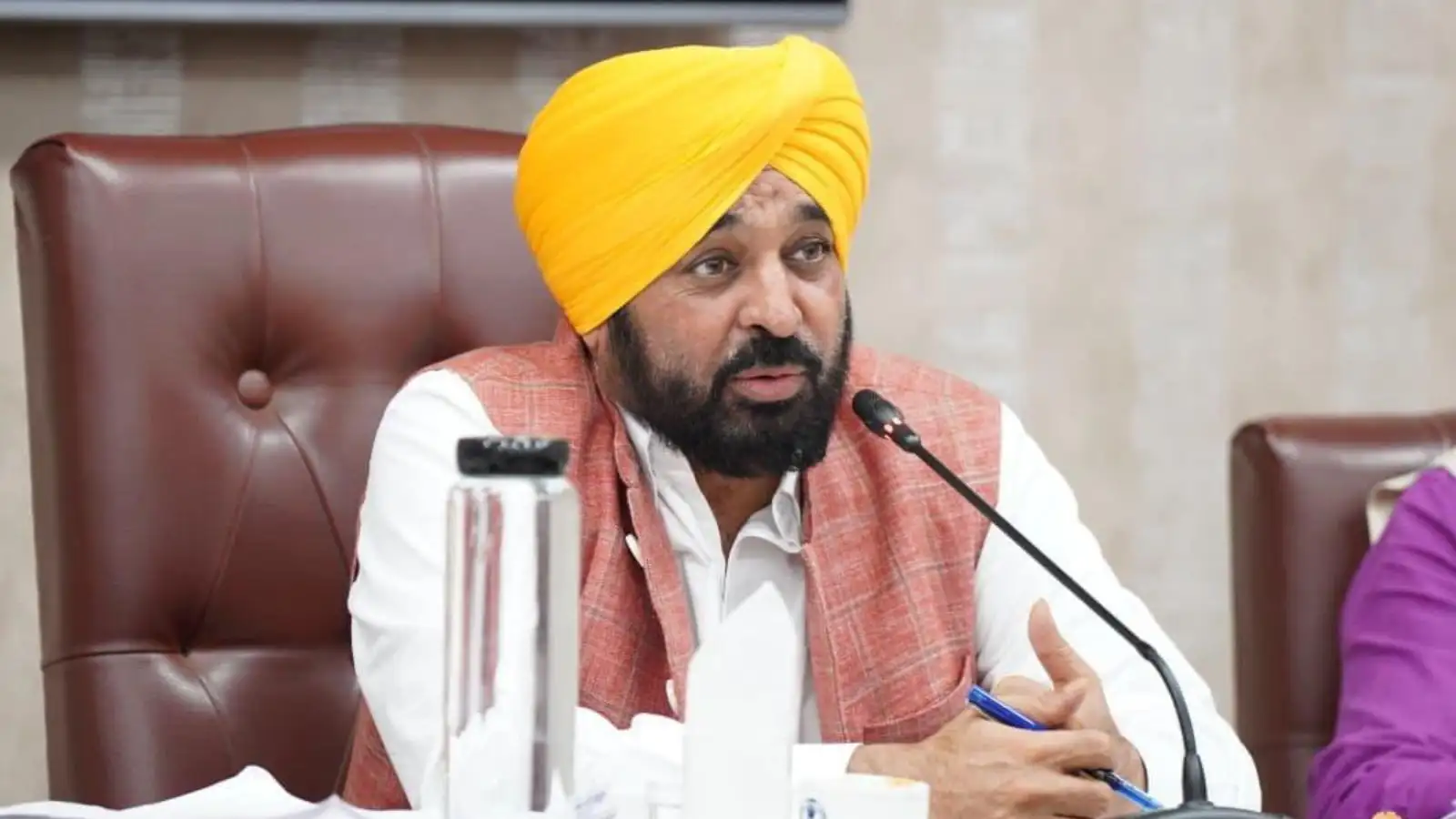
But the Punjab E20 resolution raises another important question: what happens to farmers and rural markets if demand for ethanol feedstock weakens?
The opposition, however, has focused on issues such as fuel economy, vehicle compatibility and consumer choice. These concerns have made E20 petrol a politically charged issue, with the Aam Aadmi Party also campaigning against what it describes as the "imposition" of the policy.
For Punjab, however, the debate does not end at the fuel pump.
Maize has increasingly emerged as one possible alternative. Ethanol distilleries create an additional source of demand for maize, potentially giving farmers another market for the crop.
Recent reports from Punjab indicate that farmers and millers have backed ethanol blending because distillery demand has helped make maize cultivation more commercially attractive. They have also warned that a sharp reduction in ethanol demand could hurt growers who have already shifted towards maize. (The Times of India)
This makes the ethanol and maize farmers debate particularly significant for Punjab.
This is where the ethanol economy becomes relevant. If maize has a reliable industrial buyer, farmers may have greater confidence in moving towards it.
However, ethanol cannot be treated as the only answer to Punjab's agricultural challenges. Long-term diversification would require stronger markets, appropriate pricing mechanisms, better water management and greater opportunities for alternative crops.
The Centre has maintained that E20 has been introduced through a phased and technically evaluated process. Meanwhile, the automobile sector has also been involved in discussions around fuel compatibility and performance.
That means the E20 policy farmers debate needs to accommodate both sides: protecting consumers while ensuring that farmers who have responded to new market opportunities are not left exposed.
Opposing E20 may address concerns among vehicle owners, but policymakers also need to consider what reduced ethanol demand could mean for maize growers, distilleries, millers and other parts of the rural economy in Punjab.
At the same time, supporting ethanol blending should not mean overlooking legitimate consumer concerns.
The E20 controversy has brought that contradiction into sharp focus. The question is no longer simply whether ethanol should be blended into petrol. It is whether fuel policy, agricultural policy and rural economic planning can work together rather than pulling in different directions.
As the political debate continues, one question deserves closer attention: "Can an agrarian economy like Punjab really afford to let ideology dictate crop prices and rural growth?"
But the Punjab E20 resolution raises another important question: what happens to farmers and rural markets if demand for ethanol feedstock weakens?
E20 Debate Is About More Than Petrol
E20 petrol contains 20% ethanol blended with petrol. The Centre has defended the programme as part of India's broader energy and biofuel strategy, pointing to its phased development and the expansion of ethanol production capacity.The opposition, however, has focused on issues such as fuel economy, vehicle compatibility and consumer choice. These concerns have made E20 petrol a politically charged issue, with the Aam Aadmi Party also campaigning against what it describes as the "imposition" of the policy.
For Punjab, however, the debate does not end at the fuel pump.
Why Ethanol Matters To Punjab's Farmers
Punjab has long been associated with wheat and paddy cultivation, but the state has also been under pressure to diversify away from crops that place heavy demands on groundwater.Maize has increasingly emerged as one possible alternative. Ethanol distilleries create an additional source of demand for maize, potentially giving farmers another market for the crop.
Recent reports from Punjab indicate that farmers and millers have backed ethanol blending because distillery demand has helped make maize cultivation more commercially attractive. They have also warned that a sharp reduction in ethanol demand could hurt growers who have already shifted towards maize. (The Times of India)
This makes the ethanol and maize farmers debate particularly significant for Punjab.
The Crop Diversification Question
For years, policymakers have discussed the need for crop diversification in Punjab. The challenge is not simply persuading farmers to move away from paddy. Farmers also need a dependable market for whatever they grow next.This is where the ethanol economy becomes relevant. If maize has a reliable industrial buyer, farmers may have greater confidence in moving towards it.
However, ethanol cannot be treated as the only answer to Punjab's agricultural challenges. Long-term diversification would require stronger markets, appropriate pricing mechanisms, better water management and greater opportunities for alternative crops.
What About Consumer Concerns?
The concerns raised by Punjab's Assembly cannot simply be dismissed either. Vehicle compatibility, mileage and the impact of higher ethanol blends remain important questions for consumers.The Centre has maintained that E20 has been introduced through a phased and technically evaluated process. Meanwhile, the automobile sector has also been involved in discussions around fuel compatibility and performance.
That means the E20 policy farmers debate needs to accommodate both sides: protecting consumers while ensuring that farmers who have responded to new market opportunities are not left exposed.
Politics And Rural Economics
The political confrontation between Punjab and the Centre has made E20 a larger flashpoint than a straightforward fuel-policy disagreement. Yet the agricultural consequences deserve equal attention.Opposing E20 may address concerns among vehicle owners, but policymakers also need to consider what reduced ethanol demand could mean for maize growers, distilleries, millers and other parts of the rural economy in Punjab.
At the same time, supporting ethanol blending should not mean overlooking legitimate consumer concerns.
The Bigger Question For Punjab
The real test is whether Punjab can find a policy approach that protects consumers while continuing to create viable markets for farmers moving towards crop diversification.The E20 controversy has brought that contradiction into sharp focus. The question is no longer simply whether ethanol should be blended into petrol. It is whether fuel policy, agricultural policy and rural economic planning can work together rather than pulling in different directions.
As the political debate continues, one question deserves closer attention: "Can an agrarian economy like Punjab really afford to let ideology dictate crop prices and rural growth?"