
Will India Get Plastic Currency? RBI Weighs Polymer Notes to Fight Counterfeit Money

Despite the rapid growth of digital payments through systems like UPI, cash in circulation across the Indian economy has continuously expanded. However, this sustained dependence on physical paper money brings persistent security challenges. Recent annual data from the Reserve Bank of India (RBI) reveals a notable surge in counterfeit currency detections within the banking system, driven primarily by fake ₹500 and ₹200 denomination notes.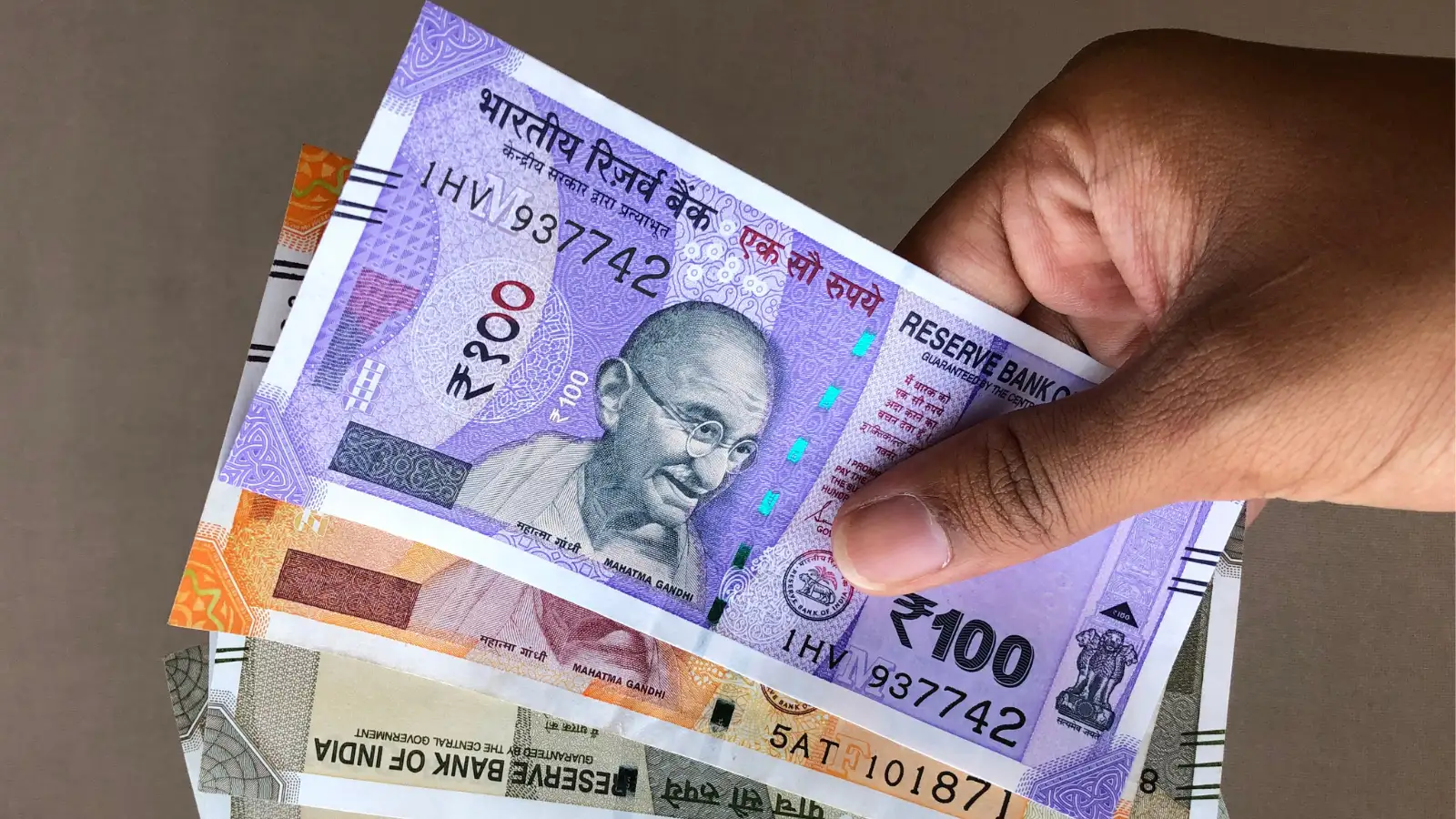
Since the ₹500 note remains the primary high-value denomination in circulation following the withdrawal of ₹2,000 notes, its vulnerability to replication poses operational and economic risks.
Every year, the RBI is forced to shred and destroy nearly two lakh damaged or soiled banknotes largely in ₹100 and ₹500 denominations and absorb the high logistical and environmental cost of printing replacements. Standard paper currency for smaller denominations typically lasts between 1 to 2 years, whereas higher denominations survive up to 5 to 7 years before deteriorating.
The RBI and its printing subsidiary (BRBNMPL) have actively re-examined the proposal, floating tenders for polymer sheets and conducting trials on "varnished" paper notes (paper coated with a protective polymer layer). While the central bank emphasizes that discussions remain preliminary, the escalating issue of counterfeit high-value currency makes polymer notes an increasingly viable long-term strategy for India's financial system.
Since the ₹500 note remains the primary high-value denomination in circulation following the withdrawal of ₹2,000 notes, its vulnerability to replication poses operational and economic risks.
The Wear-and-Tear Problem of Cotton Paper Notes
Beyond counterfeiting, traditional paper notes incur significant recurring maintenance costs. Printed on a cotton-pulp blend, Indian currency notes suffer rapid wear and tear due to high circulation frequency and India’s hot, humid climate.You may also like
- Lok Sabha grants extension to panel on One Nation One Election till Winter session
- 'Every Indian should be proud of what our youth did': Top quotes from Rahul Gandhi's speech in Parliament
- Bill introduced for stricter delayed birth, death registration
- Abhijeet Dipke flooded with marriage proposals, mother claims
- Watch: Stormy scenes in Rajya Sabha as Kharge, Nadda clash over police action against student protesters
Every year, the RBI is forced to shred and destroy nearly two lakh damaged or soiled banknotes largely in ₹100 and ₹500 denominations and absorb the high logistical and environmental cost of printing replacements. Standard paper currency for smaller denominations typically lasts between 1 to 2 years, whereas higher denominations survive up to 5 to 7 years before deteriorating.
Why Plastic Currency Offers a Strong Alternative
Polymer banknotes, first introduced globally by Australia in the late 1980s and now used by over 50 nations (including the UK, Canada, Vietnam, and Singapore), offer two major advantages:- Superior Durability: Made from a flexible synthetic substrate, plastic notes resist water, oil, and sweat. They last anywhere from 2.5 to 6 times longer than paper notes, drastically cutting replacement printing costs over time.
- Advanced Security Features: Polymer notes allow for sophisticated embedded security elements, including transparent clear windows, color-shifting films, and intricate holograms. Counterfeiters find polymer substrates significantly harder and more expensive to replicate, causing counterfeit rates to plummet in countries that adopt them.
A Long-Pending Idea Nears a Decision Point
India's proposal to switch to plastic currency is not new. The RBI first floated the concept back in 2007, planning field trials across five cities with distinct climatic conditions (Jaipur, Shimla, Bhubaneswar, Mysore, and Kochi). However, logistical challenges, procurement hurdles, and inter-departmental delays kept the project stalled for years.The RBI and its printing subsidiary (BRBNMPL) have actively re-examined the proposal, floating tenders for polymer sheets and conducting trials on "varnished" paper notes (paper coated with a protective polymer layer). While the central bank emphasizes that discussions remain preliminary, the escalating issue of counterfeit high-value currency makes polymer notes an increasingly viable long-term strategy for India's financial system.






Loving Newspoint? Download the app now
