
Shashi Tharoor's 'Thailand Cheaper Than India' Comment Sparks Tourism Cost Debate

The competitive landscape of global tourism relies heavily on a delicate balance of hospitality, infrastructure, and affordability. However, a prominent Indian political figure has sparked a massive online conversation regarding the structural challenges facing the subcontinent’s travel sector. Speaking during an interactive session with members of the Indian diaspora in Thailand, Congress MP Shashi Tharoor made waves by pointing out that Thailand is historically much more affordable for a tourist to visit than India. His remarks quickly transitioned from a casual community dialogue into a wider viral debate across social media, forcing travelers and industry analysts alike to re-examine the actual costs and logistics of exploring India.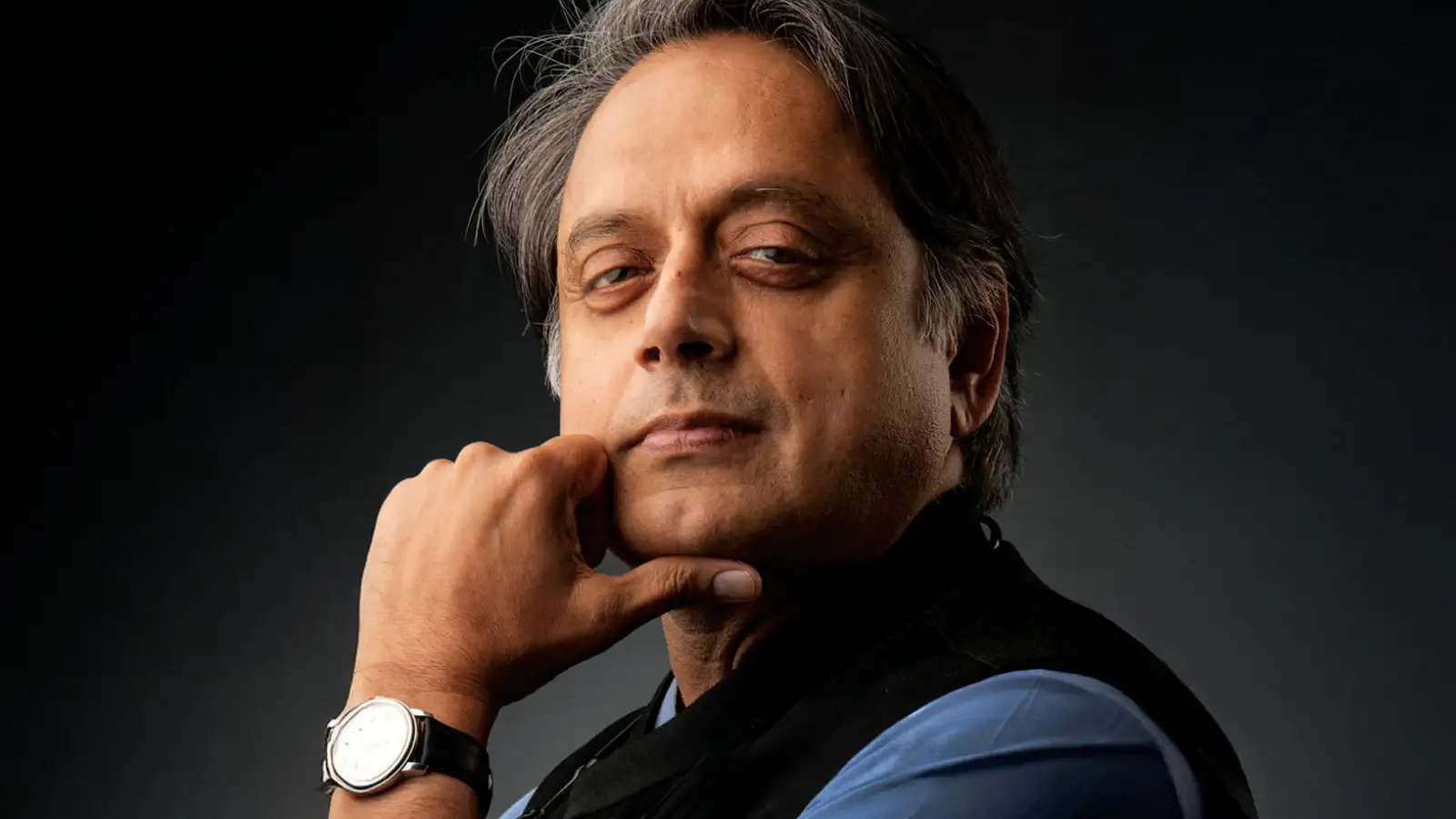
The lawmaker explained that bureaucratic training is simply rooted in a completely different approach that is unsuited for the fast moving demands of modern hospitality marketing, suggesting that corporate tour operators and the private sector should actively step into leadership roles to design and sell comprehensive travel packages abroad.
The viral online reaction to his talk reinforced a clear consensus among travelers: for India to truly compete with hospitality giants like Thailand, local administrative bodies must focus on cleaning up public spaces and establishing a reliable baseline of safety and comfort for all visitors.
The Economic Irony of Travel Costs
During his address, Tharoor highlighted what he described as an economic irony. He noted that despite Thailand possessing a higher per capita income than India, it continues to offer more budget friendly hospitality and logistics pipelines for everyday travelers. In a highly talked about portion of the interaction, the lawmaker stated that Bangkok likely attracts more international tourists in a single month than the entire nation of India receives over the course of a full calendar year. While some critics questioned the exact math behind the hyperbole, the statement struck a chord with internet users, many of whom flooded social media platforms to share their personal experiences regarding the steep costs of domestic luxury travel within India.Critiquing Government Led Tourism Marketing
Beyond the basic balance sheets, Tharoor directed sharp criticism toward how Indian tourism is traditionally marketed on the global stage. He argued that with a few notable exceptions, such as the widely praised "Incredible India" campaign engineered by Amitabh Kant, a large portion of the state's promotional outreach has been poorly handled by government officials.The lawmaker explained that bureaucratic training is simply rooted in a completely different approach that is unsuited for the fast moving demands of modern hospitality marketing, suggesting that corporate tour operators and the private sector should actively step into leadership roles to design and sell comprehensive travel packages abroad.
A Blueprint for Infrastructure Development
Ultimately, the lawmaker emphasized that addressing the gap between the two Asian destinations requires substantial state support on the ground rather than just creative marketing slogans. Tharoor urged the government to act as a facilitator by heavily investing in basic public infrastructure within designated tourist corridors. He specified that raising the standard of local regulations, managing sanitation, streamlining waste disposal, and addressing issues like hawking and aggressive begging are essential to creating a pleasant environment.The viral online reaction to his talk reinforced a clear consensus among travelers: for India to truly compete with hospitality giants like Thailand, local administrative bodies must focus on cleaning up public spaces and establishing a reliable baseline of safety and comfort for all visitors.
Next Story