
Shraddha Walkar Case: How Aaftab Poonawala’s MA Exam and Family Tragedies Delayed the Trial

A Delhi court's decision to cancel a highly anticipated day-to-day hearing in the Shraddha Walkar murder case has reignited national debate. Legal representatives for the victim's family and close friends have accused the defence of deliberately using delaying tactics to prolong proceedings in one of India's most widely followed domestic violence and murder trials.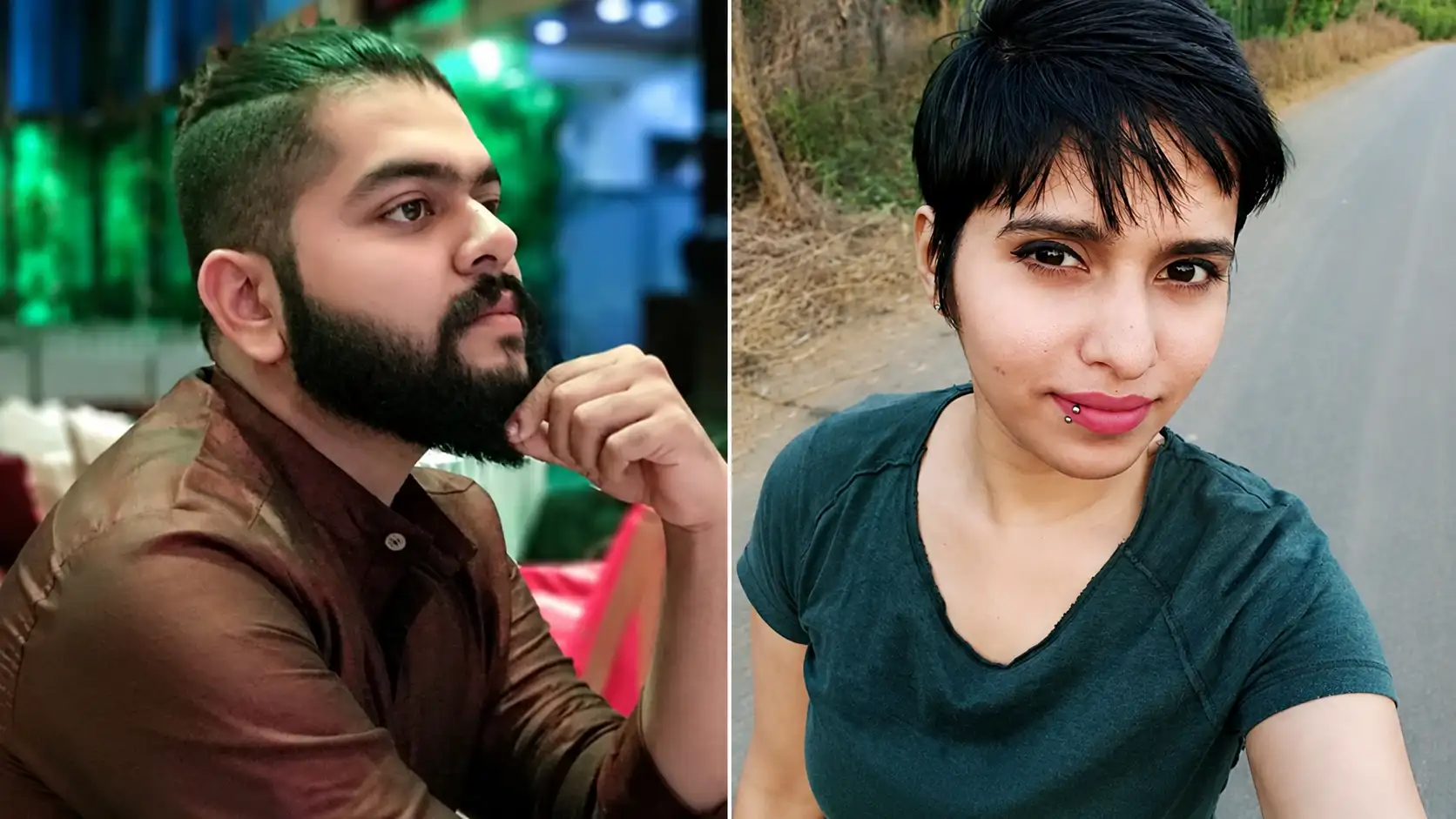
The latest delay came after the Saket District Court accepted a plea from the prime accused, Aaftab Amin Poonawala. Currently lodged in Tihar Jail as an undertrial prisoner, Poonawala was granted an exemption from appearing in court as he was scheduled to take his final Master of Arts (MA) Sociology examination.
Citing the clash in timing, the judge ordered the cancellation of the proceedings scheduled for that date. Instead, the court ordered that the critical day-to-day recording of prosecution evidence would resume on 21 July.
While the court framework treats access to education as a standard right for undertrial prisoners, the decision has drawn sharp criticism from those who have spent years waiting for justice. Rajat Shukla, a close friend of the late Shraddha Walkar, expressed deep frustration over what he viewed as unnecessary judicial leniency.
"In this ongoing case involving Aaftab, they are showing him mercy so he does not face any mental pressure during his exams," Shukla said in an emotional statement. "Why isn't anyone paying attention to his mentality? Does the judiciary have no responsibility left?"
The legal team representing Walkar’s surviving family members has expressed similar exasperation. Advocate Seema Samridhi Kushwaha alleged that the defence is systematically drawing out the proceedings, pointing out that university datesheets are public knowledge long before trial schedules are formalised. Kushwaha questioned why the defence did not bring the academic conflict to light when the court initially blocked out the July dates.
"If we look at the conduct of the defence, they have been deliberately delaying the matter," Kushwaha stated, announcing plans to approach the Delhi High Court to demand an expedited, fast-track trial. "It has been nearly four years since the incident, and the case has been stuck in the trial stage for three years."
The administrative slow-down has painful real-world consequences. Under Indian legal procedures, the mortal remains of a victim are treated as primary "case property" and cannot be released to the family until the trial is fully concluded. As a result, Walkar’s family has been unable to perform her final rites.
Tragically, the immense emotional toll of the prolonged legal battle has devastated the family. Walkar’s father, Vikas Walkar, who had spent years tirelessly pursuing justice for his daughter, passed away from a heart attack in 2025. With her grandmother also having passed away, Walkar’s brother is now left as the sole surviving immediate relative to witness the end of the trial.
According to prosecutors, the accused then went to extraordinary lengths to conceal the crime. He allegedly dismembered her body into 35 pieces, stored the remains inside a newly purchased refrigerator to prevent decomposition, and systematically disposed of the body parts across various secluded forested areas in the national capital over several weeks.
Charges of murder and the destruction of evidence were formally framed against Poonawala in May 2023. However, with eight prosecution witnesses still waiting to be examined and multiple testimonies deferred, the final verdict remains frustratingly out of reach for a grieving family.
The latest delay came after the Saket District Court accepted a plea from the prime accused, Aaftab Amin Poonawala. Currently lodged in Tihar Jail as an undertrial prisoner, Poonawala was granted an exemption from appearing in court as he was scheduled to take his final Master of Arts (MA) Sociology examination.
Academics in Prison Sparks Controversy
Additional Sessions Judge Hargurvarinder Singh Jaggi reviewed the formal application on 8 July 2026. Poonawala’s legal team presented an official datesheet from the Indira Gandhi National Open University (IGNOU), indicating that his final examination would take place inside Central Jail No. 3 on the afternoon of 20 July.Citing the clash in timing, the judge ordered the cancellation of the proceedings scheduled for that date. Instead, the court ordered that the critical day-to-day recording of prosecution evidence would resume on 21 July.
While the court framework treats access to education as a standard right for undertrial prisoners, the decision has drawn sharp criticism from those who have spent years waiting for justice. Rajat Shukla, a close friend of the late Shraddha Walkar, expressed deep frustration over what he viewed as unnecessary judicial leniency.
You may also like
- Ahmedabad police catch Simaben Diwakar over drugs in chocolate wrappers
- Supreme Court orders probe into Pankaj Sharma assault in Delhi
- Panchayat silences 3-year-old's rape after suspect pays 'fine' for feast
- Maharashtra family chased for 15km, attacked for objecting to harassment
- Women-led farmers in Mandalahalli halt GBIT survey, 2 officers injured
"In this ongoing case involving Aaftab, they are showing him mercy so he does not face any mental pressure during his exams," Shukla said in an emotional statement. "Why isn't anyone paying attention to his mentality? Does the judiciary have no responsibility left?"
A Pattern of Alleged Delays
The legal team representing Walkar’s surviving family members has expressed similar exasperation. Advocate Seema Samridhi Kushwaha alleged that the defence is systematically drawing out the proceedings, pointing out that university datesheets are public knowledge long before trial schedules are formalised. Kushwaha questioned why the defence did not bring the academic conflict to light when the court initially blocked out the July dates. "If we look at the conduct of the defence, they have been deliberately delaying the matter," Kushwaha stated, announcing plans to approach the Delhi High Court to demand an expedited, fast-track trial. "It has been nearly four years since the incident, and the case has been stuck in the trial stage for three years."
The administrative slow-down has painful real-world consequences. Under Indian legal procedures, the mortal remains of a victim are treated as primary "case property" and cannot be released to the family until the trial is fully concluded. As a result, Walkar’s family has been unable to perform her final rites.
Tragically, the immense emotional toll of the prolonged legal battle has devastated the family. Walkar’s father, Vikas Walkar, who had spent years tirelessly pursuing justice for his daughter, passed away from a heart attack in 2025. With her grandmother also having passed away, Walkar’s brother is now left as the sole surviving immediate relative to witness the end of the trial.
The Shocking Crime Behind the Trial
The case dates back to November 2022, when Poonawala was arrested following a missing person report filed by Walkar’s father. Investigators subsequently uncovered a gruesome timeline. It is alleged that in May 2022, Poonawala strangled Walkar, his 27-year-old live-in partner, inside their rented flat in the Mehrauli area of Delhi following an argument.According to prosecutors, the accused then went to extraordinary lengths to conceal the crime. He allegedly dismembered her body into 35 pieces, stored the remains inside a newly purchased refrigerator to prevent decomposition, and systematically disposed of the body parts across various secluded forested areas in the national capital over several weeks.
Charges of murder and the destruction of evidence were formally framed against Poonawala in May 2023. However, with eight prosecution witnesses still waiting to be examined and multiple testimonies deferred, the final verdict remains frustratingly out of reach for a grieving family.






Loving Newspoint? Download the app now
