
Bhojshala Row: Supreme Court Directs Alternative Prayer Space for Muslims as Legal Battle Intensifies

In a significant interim ruling on one of India’s most sensitive religious property disputes , the Supreme Court has directed the state government of Madhya Pradesh to provide an alternative, open space adjacent to the contested Bhojshala-Kamal Maula Mosque complex in Dhar district so that the Muslim community can continue to perform Friday prayers (namaz).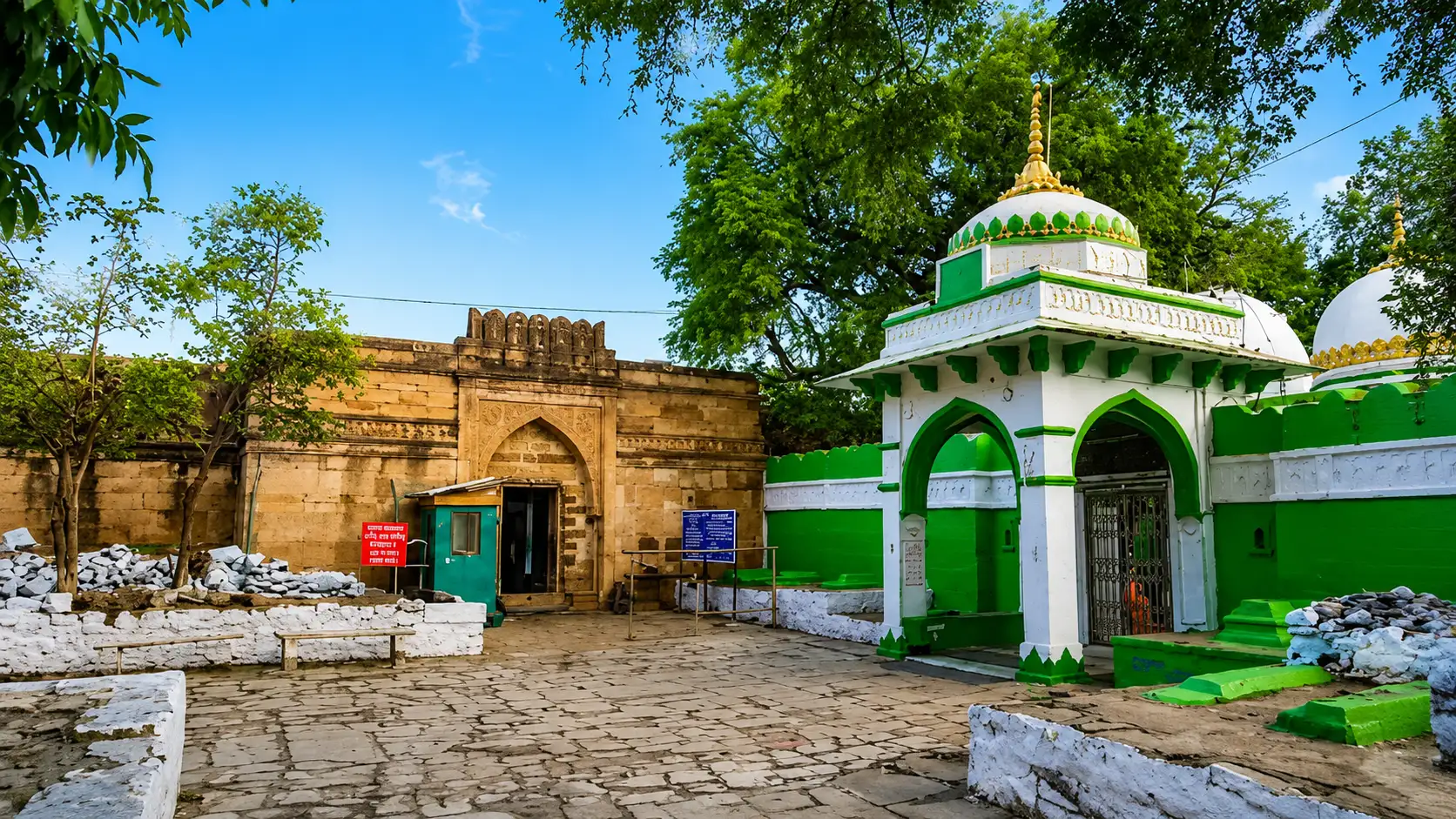
The three-judge Bench, presided over by Chief Justice of India Surya Kant alongside Justices Joymalya Bagchi and V Mohana, instituted the measure as a temporary, ad-hoc arrangement while the apex court thoroughly reviews a batch of appeals challenging a controversial High Court judgment. Crucially, the bench clarified that this interim measure is passed completely "without prejudice" to the final legal rights of both communities.
During the Supreme Court proceedings, senior advocates representing the Muslim petitioners strongly pressed for the restoration of the status quo ante (the state of affairs before the High Court’s ruling), under which Friday prayers had proceeded peacefully within the complex for more than twenty years. They argued that historical records and surveys demonstrated uninterrupted religious practice at the site's pulpit spanning centuries.
However, the Solicitor General of India, representing the state, opposed the immediate restoration of the old arrangement, warning that sudden alterations to the current situation could create severe administrative challenges and potential public friction.
Refusing to issue a full interim stay on the High Court's declaration, the Supreme Court opted for a compromise. The bench ordered that an open area near or adjacent to the disputed premises must be designated for the Muslim community specifically between 1:00 pm and 3:00 pm on Fridays.
"These are very sensitive matters," the Chief Justice remarked during the hearing. "What is being said in court can unnecessarily create controversies or send a wrong impression. We have to be very careful about every expression used."
The court strongly urged both the Hindu and Muslim sides to maintain utmost patience, announcing its willingness to resolve the core historical dispute through day-to-day hearings in the near future. To prevent any irreversible changes to the physical site while the legal proceedings remain active, the bench issued a strict mandate directing the ASI not to make any structural modifications or alterations to the historical complex without obtaining the explicit permission of the Supreme Court.
With the Supreme Court ordering the matter to be listed before an appropriate bench within the coming weeks, the nation awaits a definitive judicial resolution to a dispute that cuts straight to the heart of India's complex socio-religious fabric.
The three-judge Bench, presided over by Chief Justice of India Surya Kant alongside Justices Joymalya Bagchi and V Mohana, instituted the measure as a temporary, ad-hoc arrangement while the apex court thoroughly reviews a batch of appeals challenging a controversial High Court judgment. Crucially, the bench clarified that this interim measure is passed completely "without prejudice" to the final legal rights of both communities.
Balancing Peace and Legal Appeals
The legal confrontation reached the highest court after Muslim parties appealed against the Madhya Pradesh High Court’s verdict delivered on 15 May 2026. In that ruling, the High Court declared that the 11th-century monument was fundamentally a Hindu temple dedicated to Goddess Vagdevi (Saraswati). In doing so, the High Court quashed a decades-old administrative framework established by the Archaeological Survey of India (ASI) in 2003, which had allowed both communities to share the protected monument on designated days.During the Supreme Court proceedings, senior advocates representing the Muslim petitioners strongly pressed for the restoration of the status quo ante (the state of affairs before the High Court’s ruling), under which Friday prayers had proceeded peacefully within the complex for more than twenty years. They argued that historical records and surveys demonstrated uninterrupted religious practice at the site's pulpit spanning centuries.
However, the Solicitor General of India, representing the state, opposed the immediate restoration of the old arrangement, warning that sudden alterations to the current situation could create severe administrative challenges and potential public friction.
You may also like
- 'Will join Uddhav's Ram Raksha Andolan,' says Fadnavis, but with a question
- 'Learning a language never goes waste': SC declines to stay CBSE's three-language policy
- WBBSE Madhyamik Routine 2027 Released At wbbse.wb.gov.in; Class 10 Exams From February 15 To 25
- Man dies outside UP thana after begging help for 40mins
- 'Taken court for a ride': SC raps 'self-styled youth icons' Samay Raina, Ranveer Allahbadia for non-compliance of its order
Refusing to issue a full interim stay on the High Court's declaration, the Supreme Court opted for a compromise. The bench ordered that an open area near or adjacent to the disputed premises must be designated for the Muslim community specifically between 1:00 pm and 3:00 pm on Fridays.
Call for Caution and Restraint
Acknowledging the explosive emotional and social weight of the case, Chief Justice Surya Kant emphasized the need for extreme public and media discretion, noting that judicial comments could inadvertently fuel societal polarization."These are very sensitive matters," the Chief Justice remarked during the hearing. "What is being said in court can unnecessarily create controversies or send a wrong impression. We have to be very careful about every expression used."
The court strongly urged both the Hindu and Muslim sides to maintain utmost patience, announcing its willingness to resolve the core historical dispute through day-to-day hearings in the near future. To prevent any irreversible changes to the physical site while the legal proceedings remain active, the bench issued a strict mandate directing the ASI not to make any structural modifications or alterations to the historical complex without obtaining the explicit permission of the Supreme Court.
A Historic Convergence of Claims
The monument, situated in the Dhar district of Madhya Pradesh, has been a flashpoint for competing communal claims for generations. The Hindu community maintains that the structure is the ancient Bhojshala, a historical centre of learning and a temple built by Paramara King Bhoja in honour of Goddess Saraswati. Conversely, the Muslim community regards the site as the Kamal Maula Mosque , an ancient Islamic place of worship.With the Supreme Court ordering the matter to be listed before an appropriate bench within the coming weeks, the nation awaits a definitive judicial resolution to a dispute that cuts straight to the heart of India's complex socio-religious fabric.






More from our partners


Loving Newspoint? Download the app now
