
Which Hidden UNESCO World Heritage Site Choices Offer the Ultimate Escape Away From Crowded Tourist Hotspots?

The vibrant vacation industry across the Indian subcontinent routinely directs massive crowds of domestic and international tourists toward a highly familiar selection of iconic landmarks. Holiday seekers heavily prioritize the sprawling desert palaces of Rajasthan, the historical tombs of Delhi, and the ancient stone carvings of the Ajanta and Ellora caves.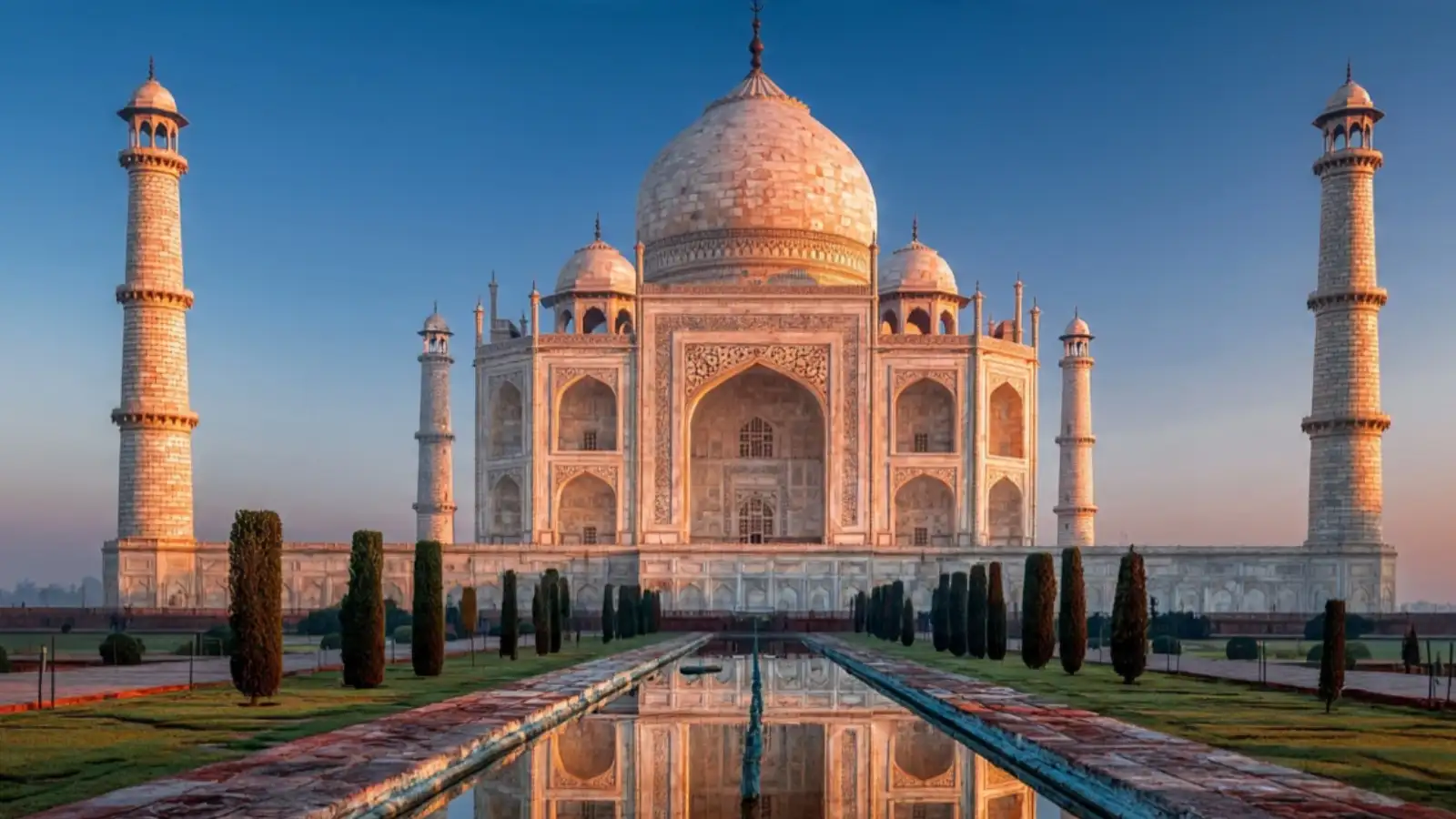
While these celebrated locations undoubtedly deserve their widespread fame, this singular focus means that dozens of other globally recognized cultural landmarks receive very little foot traffic. Official data confirms that the nation houses numerous prestigious allocations designated by the United Nations Educational, Scientific and Cultural Organization.
For curious travelers eager to experience authentic history without the stress of navigating endless ticketing lines and noisy tour groups, looking past the mainstream options is highly rewarding. Exploring these overlooked heritage sites reveals an incredible world of forgotten capitals, intricate subterranean architecture, and untouched wilderness.
While these celebrated locations undoubtedly deserve their widespread fame, this singular focus means that dozens of other globally recognized cultural landmarks receive very little foot traffic. Official data confirms that the nation houses numerous prestigious allocations designated by the United Nations Educational, Scientific and Cultural Organization.
For curious travelers eager to experience authentic history without the stress of navigating endless ticketing lines and noisy tour groups, looking past the mainstream options is highly rewarding. Exploring these overlooked heritage sites reveals an incredible world of forgotten capitals, intricate subterranean architecture, and untouched wilderness.
You may also like
- Odisha begins SIR with 45,000 BLOs for door-to-door voter survey
- J&K: Days-long forest fires ravage Rajouri, wildlife enters residential areas
- Rahul Gandhi targets Modi government, says crores of students impacted due to exam-related troubles
- Dharmendra Pradhan faces flak over CUET 'glitch', NTA clarifies
- "Smart meter installed by govt will further increase bill up to 100%": SP MP Awadhesh Prasad slams UP electricity price hike
Champaner-Pavagadh Archaeological Park, Gujarat
Among the most striking cultural landscapes missing from regular vacation itineraries is this sprawling destination situated right near Vadodara in Gujarat. This impressive location holds a proud status as a protected UNESCO World Heritage site , offering a spectacular mix of medieval Islamic fortifications, ancient stepwells, and sacred hill temples. It serves as a quiet reminder of the era when it functioned as the bustling capital for Sultan Mahmud Begada.Rani ki Vav , Patan, Gujarat
Further north in the same state lies this spectacular eleventh-century stepwell built by Queen Udayamati to honor King Bhima I. Officially designated as a UNESCO World Heritage site, this architectural masterpiece was designed creatively as an inverted temple stretching deep into the earth. It features hundreds of detailed stone carvings of Lord Vishnu and various deities that remained buried underground until its rediscovery in the twentieth century.The Great Himalayan National Park, Himachal Pradesh
Away from these massive structural ruins, the country also protects incredible natural landscapes that receive only a small fraction of mainstream eco-tourism. Situated in the Kullu region of Himachal Pradesh, this pristine sanctuary is recognized globally as a UNESCO World Heritage site. It offers a massive, quiet sanctuary for rare snow leopards, Himalayan brown bears, and blue sheep, accessible almost exclusively through multi-day trekking expeditions.Bhitarkanika Conservation Area, Odisha
Over in Odisha, the rich mangrove ecosystems of this coastal sanctuary enjoy global recognition as a crucial wetland property under the international network. The reserve remains largely untouched by regular holiday crowds, making it an ideal offbeat destination for watching unique estuarine crocodiles, rare migratory birds, and diverse mudskippers in their natural, undisturbed habitat.Group of Monuments at Pattadakal, Karnataka
For individuals fascinated by the golden ages of structural design, this complex in Karnataka serves as an essential destination. Recognized formally as a UNESCO World Heritage site, the area rests along the peaceful banks of the Malaprabha River. Built during the height of the Chalukya dynasty in the seventh and eighth centuries, this complex showcases a crucial turning point where northern and southern temple building styles harmoniously blended together, remaining quiet and peaceful for hours at a time.





More from our partners


Loving Newspoint? Download the app now
