
Which Health Insurance Plan Is Right For You? Understanding HMO, PPO, EPO & POS

The health insurance industry in India has been expanding rapidly as awareness about rising healthcare costs and the need for financial protection against illnesses continues to grow. With more people understanding the importance of securing healthcare coverage for themselves and their families, the market has seen an increase in demand for health insurance policies.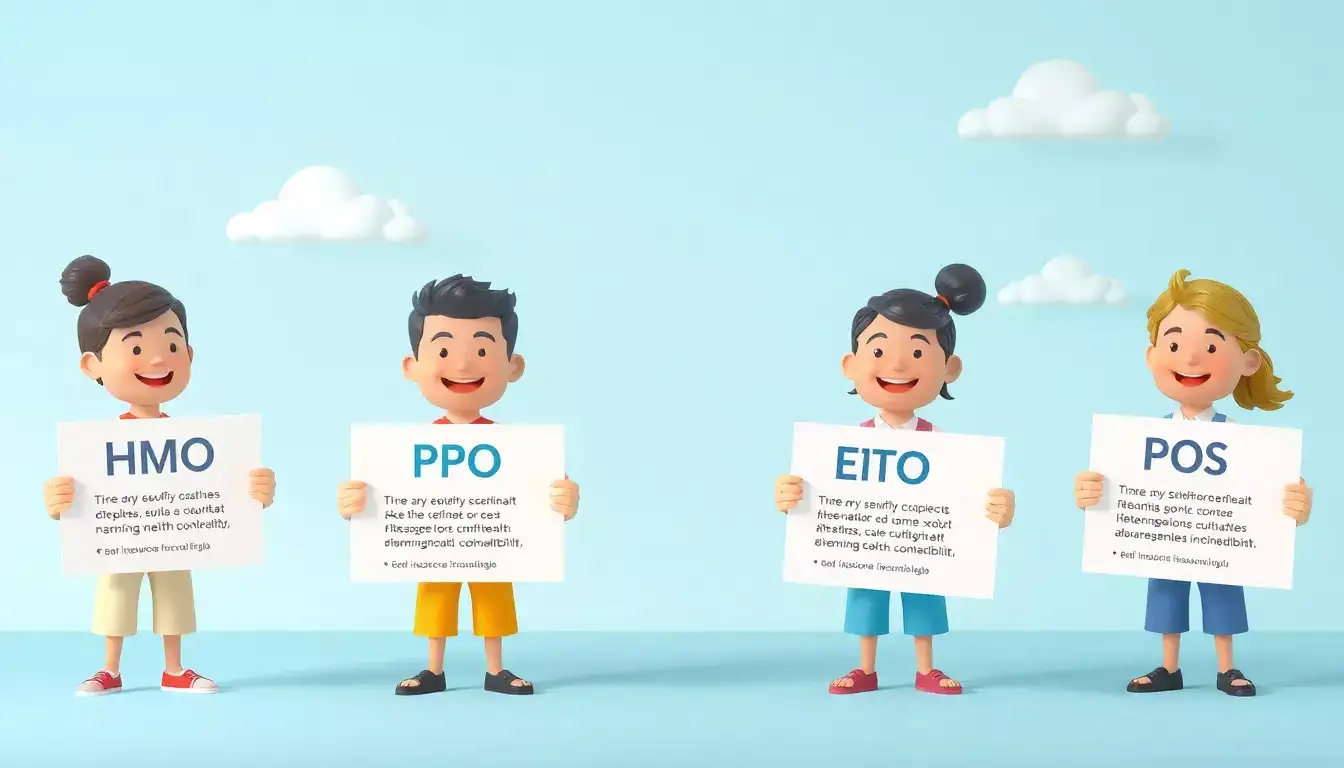
As this trend continues, the country is witnessing substantial growth in both government-backed and private health insurance schemes. This article will explore the different health insurance plans available in India, including Health Maintenance Organisations (HMOs), Preferred Provider Organisations (PPOs), Exclusive Provider Organisations (EPOs), and Point of Service (POS) plans.
Health Maintenance Organisation (HMO)
A Health Maintenance Organisation (HMO) plan is designed to provide comprehensive medical coverage for the insured. Though widely popular in countries like the United States, HMOs are still relatively uncommon in India. However, a few insurance companies and third-party administrators (TPAs) offer this type of coverage in the country.
An HMO plan generally covers a broad range of medical services such as hospital stays, surgeries, emergency care, doctor visits, preventive care, and lab tests. One of the primary characteristics of an HMO plan is that it operates within a network of healthcare providers. Policyholders are expected to seek care only from doctors and hospitals within this network. While this can make healthcare more affordable, it also limits the options available for treatment outside of the network. In most cases, the insurer will not provide reimbursement for non-emergency care received outside the network.
Preferred Provider Organisation (PPO)
A Preferred Provider Organisation (PPO) plan offers more flexibility than an HMO. PPOs allow policyholders to seek healthcare services from providers outside the network, although it is recommended to use in-network facilities for reduced costs. Unlike HMOs, PPOs offer greater freedom of choice in selecting healthcare providers.
However, this increased flexibility comes with a price. PPOs generally have higher premiums than HMO plans. Additionally, if a policyholder chooses to receive care outside the network, they may have to pay higher out-of-pocket expenses. It is essential for individuals considering PPO plans to weigh the benefits against the added costs, particularly if they are not certain they will need care from out-of-network providers.
Exclusive Provider Organisation (EPO)
An Exclusive Provider Organisation (EPO) plan is another type of health insurance coverage that provides a network-based system, similar to HMOs. However, EPOs tend to offer a more limited choice of healthcare providers than PPOs, and they often do not cover treatment outside the network, except in cases of emergencies.
EPO plans are primarily designed to provide affordable healthcare services by partnering with a network of healthcare providers, including hospitals, specialists, and pharmacies. Like PPOs, EPOs may also offer cashless treatment at network institutions, allowing policyholders to avoid making upfront payments for services. The insurance company directly settles the bills with the healthcare providers.
The key difference between EPOs and PPOs lies in the fact that EPO plans do not offer the flexibility to seek non-emergency care outside the network. This makes EPOs a more restrictive option compared to PPOs, but they tend to be more cost-effective. As a result, they are often preferred by policyholders looking for comprehensive coverage within a specific network of providers.
Point of Service (POS)
Point of Service (POS) plans combine features of both HMO and PPO plans. POS plans are designed to give policyholders the option of receiving care from both in-network and out-of-network providers, similar to PPOs, while also offering the cost management features of an HMO.
In a POS plan, insured individuals are encouraged to seek care from healthcare providers within the network to minimize costs. However, they can also choose to receive care from out-of-network providers, although this comes with additional out-of-pocket expenses.
The main advantage of POS plans is that they strike a balance between affordability and flexibility. Like HMOs, POS plans typically offer cashless treatment at network hospitals, and the insurance company directly settles the bills with the provider. However, POS plans offer a higher degree of flexibility by allowing policyholders to seek out-of-network care when needed.
As healthcare costs rise and awareness about the importance of health insurance continues to grow, Indian consumers are increasingly seeking comprehensive coverage. There are various health insurance plans available, each offering different levels of flexibility, cost, and access to healthcare providers. Whether you choose an HMO, PPO, EPO, or POS plan will depend on your specific needs, preferences, and financial situation. It is crucial for individuals to carefully evaluate the benefits and drawbacks of each plan to ensure they select the right one to protect their health and finances.
As this trend continues, the country is witnessing substantial growth in both government-backed and private health insurance schemes. This article will explore the different health insurance plans available in India, including Health Maintenance Organisations (HMOs), Preferred Provider Organisations (PPOs), Exclusive Provider Organisations (EPOs), and Point of Service (POS) plans.
Health Maintenance Organisation (HMO)
A Health Maintenance Organisation (HMO) plan is designed to provide comprehensive medical coverage for the insured. Though widely popular in countries like the United States, HMOs are still relatively uncommon in India. However, a few insurance companies and third-party administrators (TPAs) offer this type of coverage in the country.
An HMO plan generally covers a broad range of medical services such as hospital stays, surgeries, emergency care, doctor visits, preventive care, and lab tests. One of the primary characteristics of an HMO plan is that it operates within a network of healthcare providers. Policyholders are expected to seek care only from doctors and hospitals within this network. While this can make healthcare more affordable, it also limits the options available for treatment outside of the network. In most cases, the insurer will not provide reimbursement for non-emergency care received outside the network.
Preferred Provider Organisation (PPO)
A Preferred Provider Organisation (PPO) plan offers more flexibility than an HMO. PPOs allow policyholders to seek healthcare services from providers outside the network, although it is recommended to use in-network facilities for reduced costs. Unlike HMOs, PPOs offer greater freedom of choice in selecting healthcare providers.
You may also like
- Beyond Tigers: The wildlife trade fuelled by pets and myths
- PM Modi pitches water conservation amid widespread monsoon deficit
- 'Misrepresents statement': MEA fact-checks viral claim on spokesperson Randhir Jaiswal's remarks on CJP protests
- 'This is a new subject for me': Pralhad Joshi after taking charge as education minister
- Can the government take control of foreign-funded assets? FCRA Bill explained
However, this increased flexibility comes with a price. PPOs generally have higher premiums than HMO plans. Additionally, if a policyholder chooses to receive care outside the network, they may have to pay higher out-of-pocket expenses. It is essential for individuals considering PPO plans to weigh the benefits against the added costs, particularly if they are not certain they will need care from out-of-network providers.
Exclusive Provider Organisation (EPO)
An Exclusive Provider Organisation (EPO) plan is another type of health insurance coverage that provides a network-based system, similar to HMOs. However, EPOs tend to offer a more limited choice of healthcare providers than PPOs, and they often do not cover treatment outside the network, except in cases of emergencies.
EPO plans are primarily designed to provide affordable healthcare services by partnering with a network of healthcare providers, including hospitals, specialists, and pharmacies. Like PPOs, EPOs may also offer cashless treatment at network institutions, allowing policyholders to avoid making upfront payments for services. The insurance company directly settles the bills with the healthcare providers.
The key difference between EPOs and PPOs lies in the fact that EPO plans do not offer the flexibility to seek non-emergency care outside the network. This makes EPOs a more restrictive option compared to PPOs, but they tend to be more cost-effective. As a result, they are often preferred by policyholders looking for comprehensive coverage within a specific network of providers.
Point of Service (POS)
Point of Service (POS) plans combine features of both HMO and PPO plans. POS plans are designed to give policyholders the option of receiving care from both in-network and out-of-network providers, similar to PPOs, while also offering the cost management features of an HMO.
In a POS plan, insured individuals are encouraged to seek care from healthcare providers within the network to minimize costs. However, they can also choose to receive care from out-of-network providers, although this comes with additional out-of-pocket expenses.
The main advantage of POS plans is that they strike a balance between affordability and flexibility. Like HMOs, POS plans typically offer cashless treatment at network hospitals, and the insurance company directly settles the bills with the provider. However, POS plans offer a higher degree of flexibility by allowing policyholders to seek out-of-network care when needed.
As healthcare costs rise and awareness about the importance of health insurance continues to grow, Indian consumers are increasingly seeking comprehensive coverage. There are various health insurance plans available, each offering different levels of flexibility, cost, and access to healthcare providers. Whether you choose an HMO, PPO, EPO, or POS plan will depend on your specific needs, preferences, and financial situation. It is crucial for individuals to carefully evaluate the benefits and drawbacks of each plan to ensure they select the right one to protect their health and finances.






Loving Newspoint? Download the app now
